
Disadvantages Of Cashew Nuts Everyone Should know
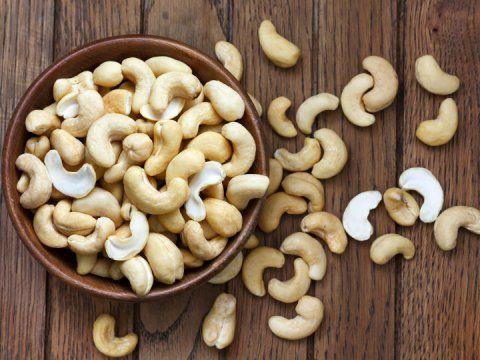
Cashews are the seeds of the cashew tree. The seeds are often mistakenly classified as nuts, and most cooks treat cashews like nuts, especially since they behave like nuts in the kitchen. For people with allergy issues, the distinction between nuts and seeds can be very important, as some people who are allergic to nuts are not allergic to cashews. Consuming cashews is very good for your health because they contain vitamins, minerals, flavonoids, antioxidants, and other nutrients. Just like anything else, however, the key is moderation, as there are disadvantages of cashew nuts, especially if you eat too many at a time.
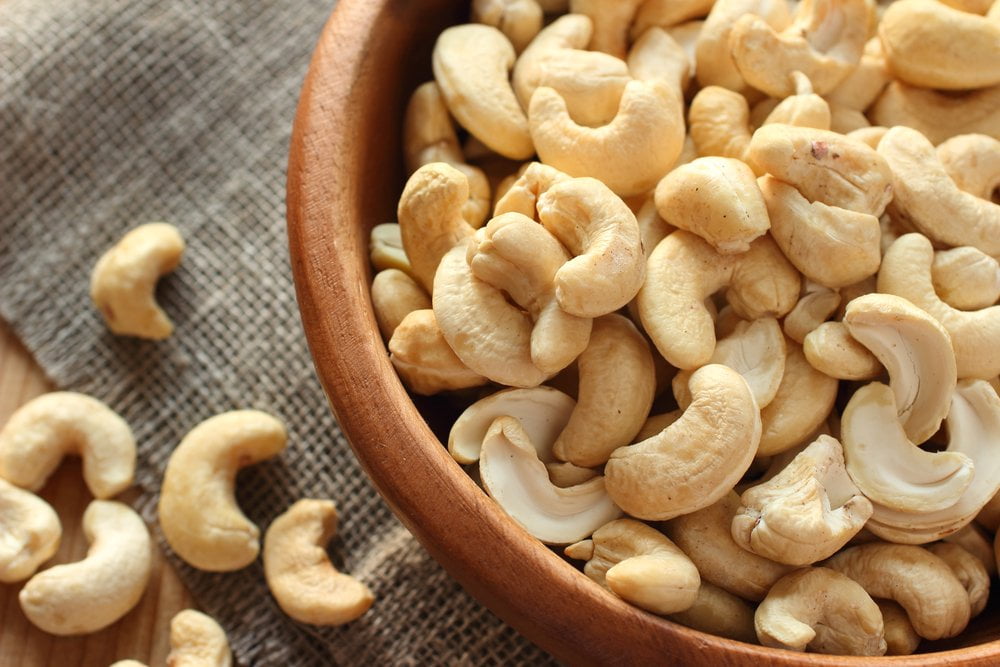
Disadvantages of Cashew Nuts:
Cashews are tasty nuts with a delicate texture, providing a range of nutritional benefits, including vitamins and minerals. However, eating cashews may also trigger a variety of side effects. So let’s know which are the cashew nuts disadvantages…
Weight Gain:

While cashews are healthy, large portion sizes can easily lead to weight gain. A one-ounce portion has 163 calories and plenty of healthy unsaturated fats. If you consume these healthy fats in quantities greater than moderation, you may gain weight. Weight gain, in turn, increases the risk of diabetes, cancer, high cholesterol, metabolic syndrome, heart disease, stroke, and other conditions.
Drug Interactions:

Because of their high magnesium content, about 82.5 milligrams per ounce, many potential drug interactions account for one of the cashew nuts disadvantages. Quinolone antibiotics like ciprofloxacin, for example, bind with magnesium, stopping the antibiotic from being fully absorbed. Magnesium can also interact with medications for blood pressure or calcium channel blockers, which increases the risk of cashew side effects such as water retention and nausea. The magnesium in cashews can also cause interactions with penicillamine, diuretics, thyroid medications, and diabetic medicines.
Allergies:

The number of people with allergies to cashews is increasing. The concerning part about the study from “Allergy,” a medical journal, is that many young kids without any exposure to cashews may be affected. The other big issue is that anaphylaxis, the concerning constriction of the airways, happens more frequently with cashew allergies than it does with peanut allergies.
High Sodium Content:
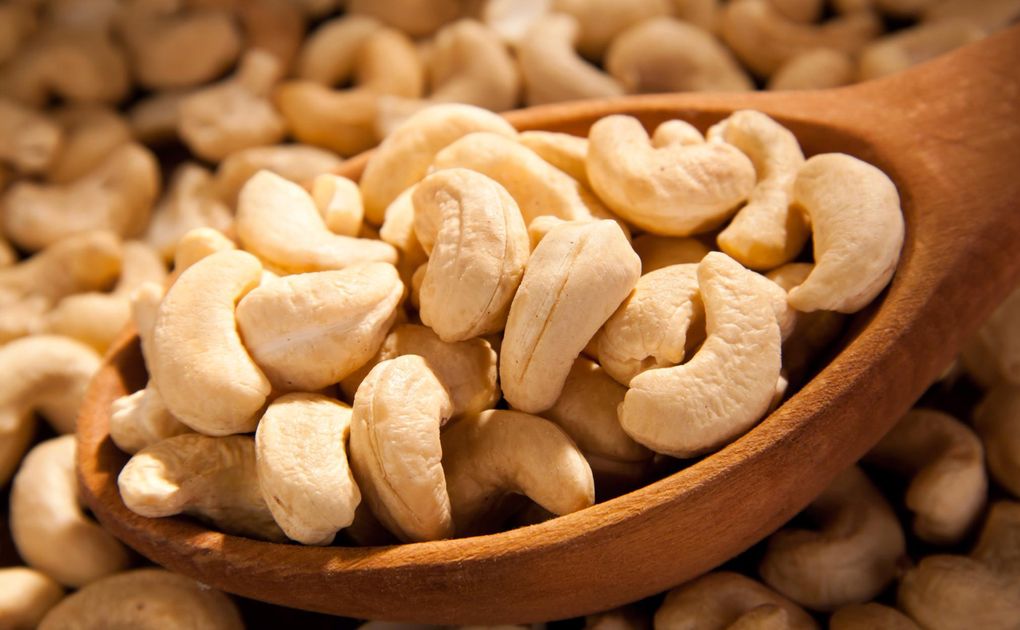
Eating too much of this food can cause side effects, such as consuming too much sodium. An adult just needs 1,500 milligrams of sodium every day with an upper limit of 2,300 milligrams. An ounce of unsalted cashews has 5 milligrams, but salted cashews may have an extra 87 grams per ounce. If you eat several ounces, this quickly adds up, particularly combined with other sodium-rich foods. Consuming too much sodium can lead to stroke, high blood pressure, kidney disease, or heart disease.
Poisonous:

You probably won’t find cashews raw or sold in their shells, and for good reason. Never eat raw cashews as they are related to poison sumac and poison ivy. The oils found on the shells can lead to an itchy and unpleasant reaction. Luckily, deshelling and then roasting cashews at high temperatures destroys lingering toxic oils, making them safe to eat. This is another one of the disadvantages of cashew nuts.
High Blood Pressure:

Going back to the sodium in cashews, a single serving of these salted nuts may have 181 milligrams of sodium. Eating them in moderation is fine, but having too many quickly brings you past your recommended salt intake, putting you at risk of blood pressure spikes.
Headaches:

Those who already suffer from migraines and headaches will find disadvantages of cashew nuts, including worsening the issue. The nuts have the amino acids phenylethylamine and tyramine. They usually help maintain your blood pressure levels and make you feel good, but those with a sensitivity to them can experience headaches due to the amino acids.
Kidney Stones:
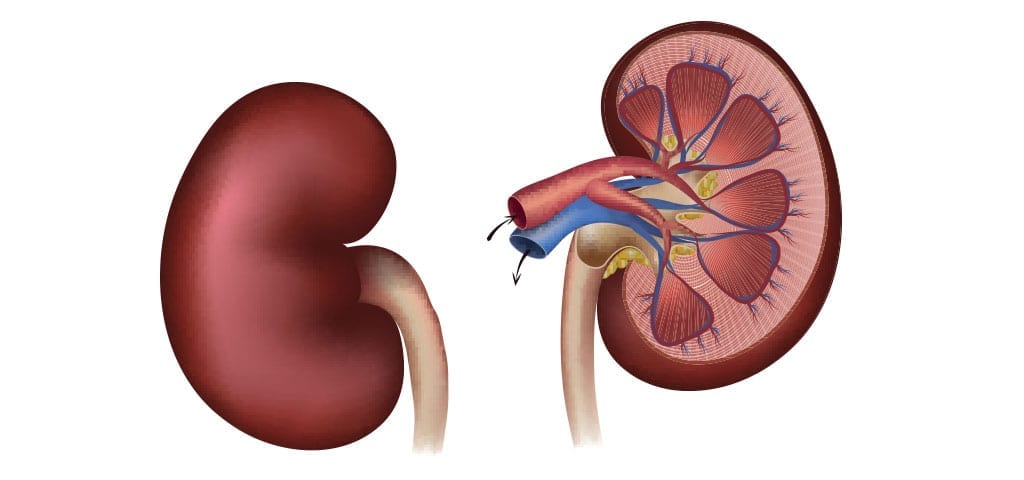
Cashews also have plenty of oxalate salts, something which negatively impacts how the body absorbs calcium. The calcium your body doesn’t absorb can cause kidney stones to form.
FAQ:
Q. What Are The Disadvantages Of Cashew Nuts?
A. We all know that cashew nuts are rich in nutrients, but eating cashew nuts can also be harmful to you. There are many disadvantages of cashew nuts. To know what the disadvantages of eating cashews are, read more here.
Q. What Are The Pros And Cons Of Cashews?
A. There are many pros to eating cashews. We all know that cashews have many health benefits. But few know that cashews have some disadvantages too. To know about the pros and cons of cashews, read here more…
Q. What Are The Cashew Nut Advantages And Disadvantages?
A. Cashew is a nut that is rich in many nutrients and has many advantages. But few know that there are also some cashew disadvantages. If you want to know what the advantages and disadvantages of cashews are, read more here.
Q. What are the cashews’ benefits and cashew nut side effects?
A. Cashew nuts are a type of nut that contains less amount of fat than other nuts. There are many benefits of cashew, as well as there are many cashew nuts side effects. To know about the side effects of cashew, read here more…
Q. What Happens If You Eat Cashews Every Day?
A. Cashew is called the king of dry fruit, even though cashews are a little expensive, but it has many benefits of eating cashews. It is very beneficial if you eat cashews every day, but eating too many cashews a day can be harmful to you. If you want to know more about this, read more here.
Q. What Are The Side Effects Of Eating Too Many Cashew Nuts?
A. If cashews are eaten daily, then it has many benefits. Eating a little cashew nut not only provides energy to the body but also cures many diseases. But if you eat too many cashews a day it can be harmful to you. To know the side effects of eating too many cashews, read more here.
Q. Can Cashews Cause Headaches?
A. Yes, eating too many cashews can cause headaches. But eating cashews has many benefits. But there are many side effects of cashew nuts. To know more about this, read here.
Q. Can Diabetic Patient Eat Cashew?
A. Yes, diabetic patients can eat cashews. Eating cashew nuts increases the amount of insulin. Eating cashew nuts increases the body’s ability to absorb sugar. Blood sugar remains under control due to increased insulin levels. To know more about this, read here more…
