
Some Necessary Office Stationery List For Daily Use
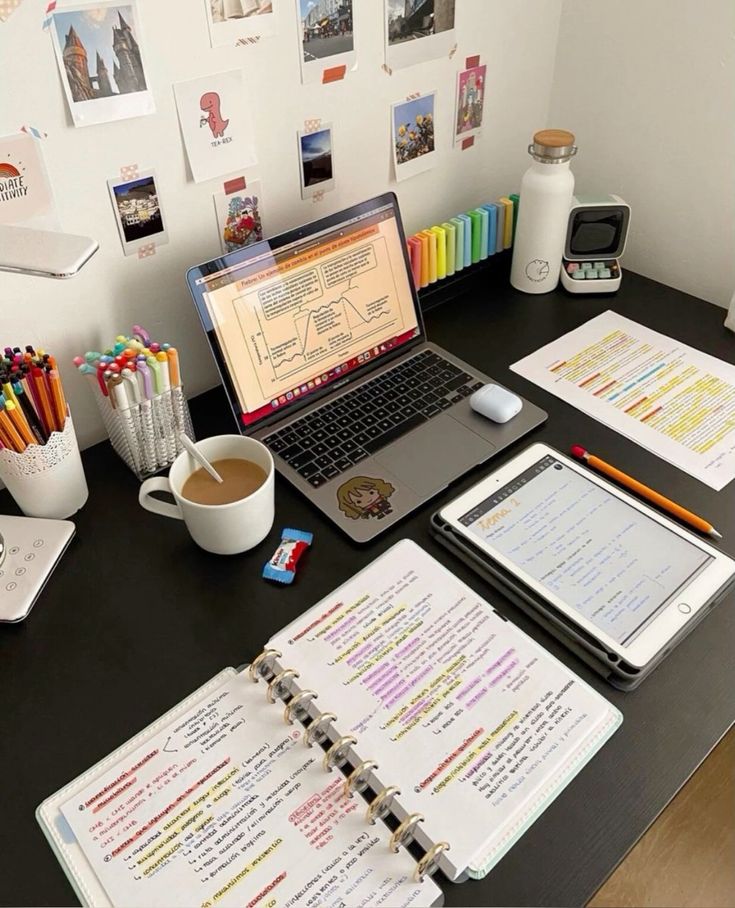
Office stationery list plays a vital role in maintaining smooth workflow, productivity, and organization in any workplace. Whether it is a small home office, a startup, a school administration, or a large corporate company, stationery items are essential for carrying out daily tasks efficiently. Proper office supplies not only help employees perform their duties effectively but also create a professional and organized working environment.
Even in the digital era, physical office stationery remains important for documentation, communication, note-taking, presentations, and record-keeping. Pens, notebooks, staplers, files, sticky notes, and printers are still widely used across businesses and institutions. Having the right stationery items available at all times reduces interruptions and increases workplace efficiency.
This article provides a comprehensive guide to the necessary office stationery list for daily use, including the importance, categories, and functions of commonly used office supplies.
| Category | Office Stationery Items | Primary Purpose |
| Writing Supplies | Ballpoint Pens, Gel Pens, Pencils, Erasers, Sharpeners, Highlighters, Permanent Markers, Whiteboard Markers | Writing, highlighting, labeling, presentations |
| Paper Products | A4 Printing Paper, Notebooks, Sticky Notes, Memo Pads, Registers, Writing Pads | Printing, note-taking, documentation, reminders |
| Filing & Organization | Files, Folders, Lever Arch Files, File Dividers, Document Trays, Clipboards, Labels, Binder Clips, Paper Clips | Organizing, storing, and managing documents |
| Desk Accessories | Pen Holder, Desk Organizer, Desk Calendar, Name Plate, Mouse Pad, Desk Lamp | Workspace organization and convenience |
| Adhesive & Fastening Supplies | Stapler, Staples, Staple Remover, Glue Stick, Liquid Glue, Adhesive Tape, Double-Sided Tape, Rubber Bands | Binding, sticking, sealing, and bundling documents |
| Cutting & Measuring Tools | Scissors, Paper Cutter, Utility Knife, Ruler, Measuring Tape | Cutting paper, opening packages, measuring |
| Printing & Computer Accessories | Printer, Printer Ink, Toner Cartridge, Photocopier Paper, USB Flash Drive, External Hard Drive, USB Cables, Chargers, Surge Protector | Printing, data storage, connectivity, and equipment protection |
| Presentation & Meeting Supplies | Whiteboard, Whiteboard Markers, Flip Chart, Meeting Notepad, Laser Pointer, Projector Accessories | Meetings, presentations, brainstorming, and training |
| Mailing & Packaging Supplies | Envelopes, Packaging Boxes, Bubble Wrap, Packing Tape, Shipping Labels | Mailing, packaging, and shipping documents or products |
| Cleaning & Maintenance Supplies | Tissue Paper, Wet Wipes, Hand Sanitizer, Cleaning Spray, Dustbin | Office hygiene, cleaning, and waste management |
Importance of Office Stationery
Office stationery is more than just a collection of supplies. It contributes significantly to daily office operations. Some major benefits include:
1. Improves Productivity
Employees can complete tasks faster when they have access to the right tools and materials. Searching for missing supplies wastes time and reduces efficiency.
2. Enhances Organization
Files, folders, labels, and notebooks help maintain organized records and documents, making retrieval easier.
3. Supports Communication
Stationery items such as notepads, markers, whiteboards, and printers assist in internal and external communication.
4. Creates Professionalism
Well-maintained stationery reflects professionalism and leaves a positive impression on clients and visitors.
5. Facilitates Record Keeping
Paper documents, registers, and filing systems are still essential for maintaining official records in many organizations.
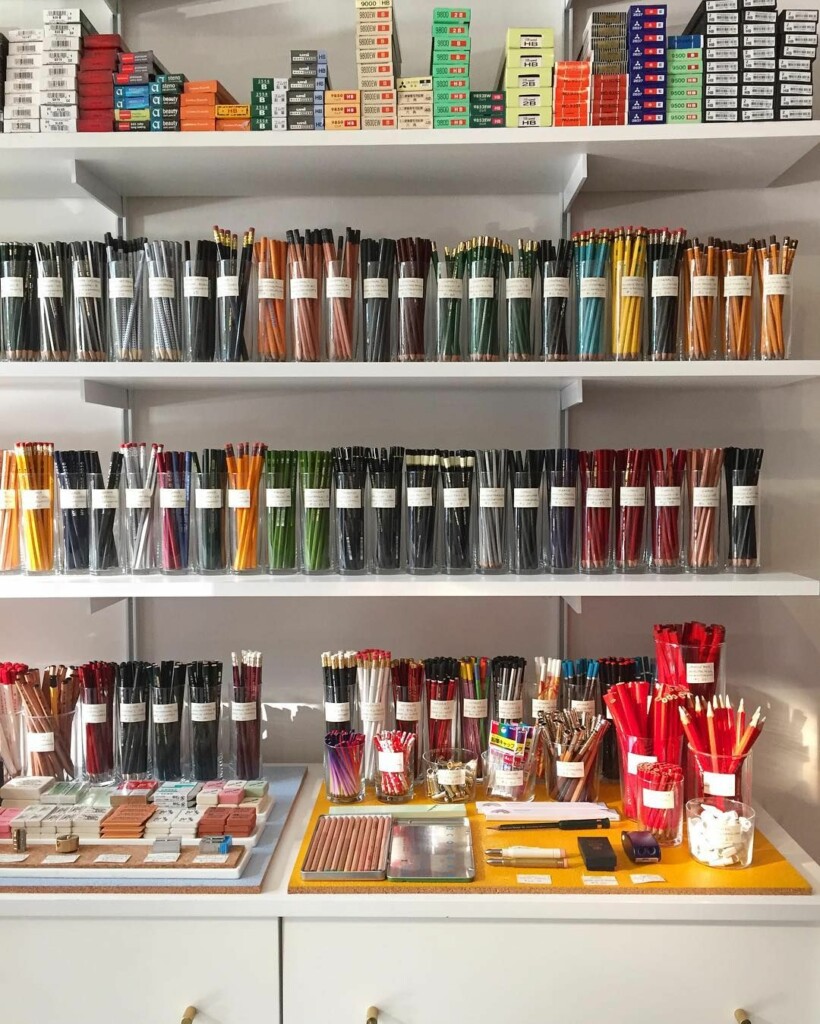
Essential Writing Supplies
Writing supplies are among the most frequently used office stationery items. Every employee requires reliable writing tools for daily work.
1. Pens
Pens are the most basic office necessity. Offices usually keep different types of pens for various purposes.
2. Pencils
Pencils are useful for temporary writing, drafting, sketching, and calculations.
3. Erasers
Erasers are necessary for correcting pencil mistakes neatly and efficiently.
4. Sharpeners
Sharpeners maintain pencil points for clear writing and drawing.
5. Highlighters
Highlighters help emphasize important information in documents.
6. Markers
Markers are commonly used for presentations, labeling, and whiteboard writing.

Paper Products
Paper products remain essential in modern offices despite increased digitalization.
1. Printing Paper
Printing paper is one of the most consumed office supplies.
2. Notebooks
Notebooks are useful for recording ideas, meeting notes, and daily tasks.
3. Sticky Notes
Sticky notes are extremely useful for reminders and quick messages.
4. Registers
Registers help maintain official records manually.
5. Memo Pads
Memo pads are small writing pads used for short notes and messages.
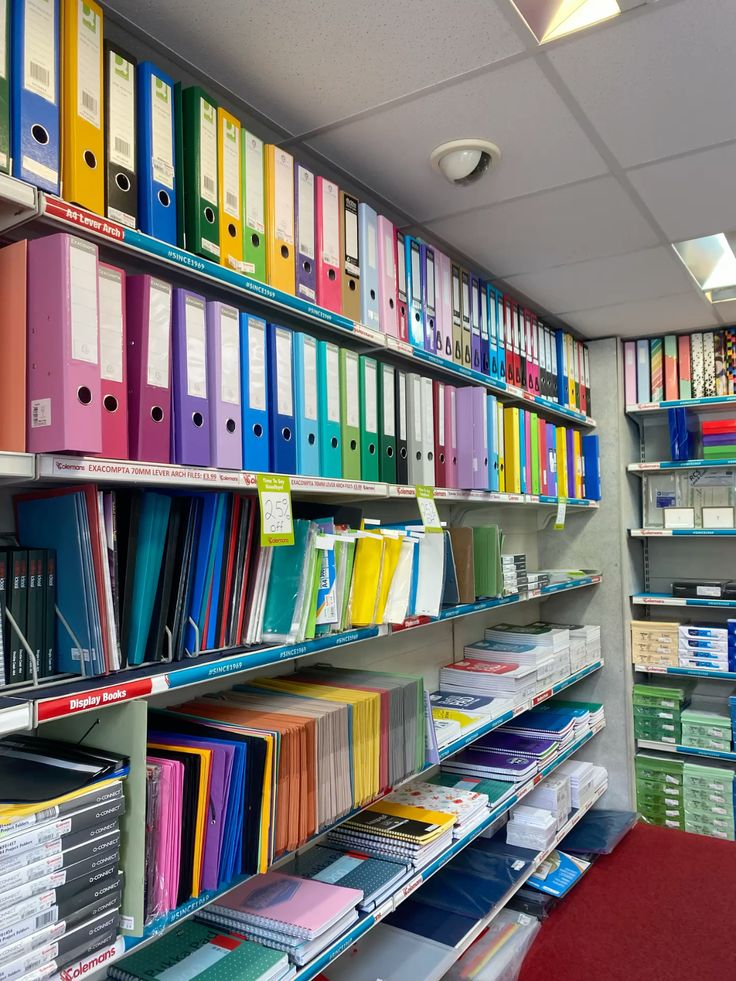
Filing and Organization Supplies
Proper document organization is essential for every office.
1. Files and Folders
Files and folders store and organize important documents safely.
2. File Dividers
File dividers separate documents into categories for easy access.
3. Document Trays
Document trays organize incoming and outgoing paperwork.
4. Clipboards
Clipboards provide a hard writing surface for mobile tasks.
5. Labels
Labels identify files, boxes, and office equipment quickly.
6. Binder Clips
Binder clips hold multiple sheets together securely.
7. Paper Clips
Paper clips temporarily attach papers without damaging them.
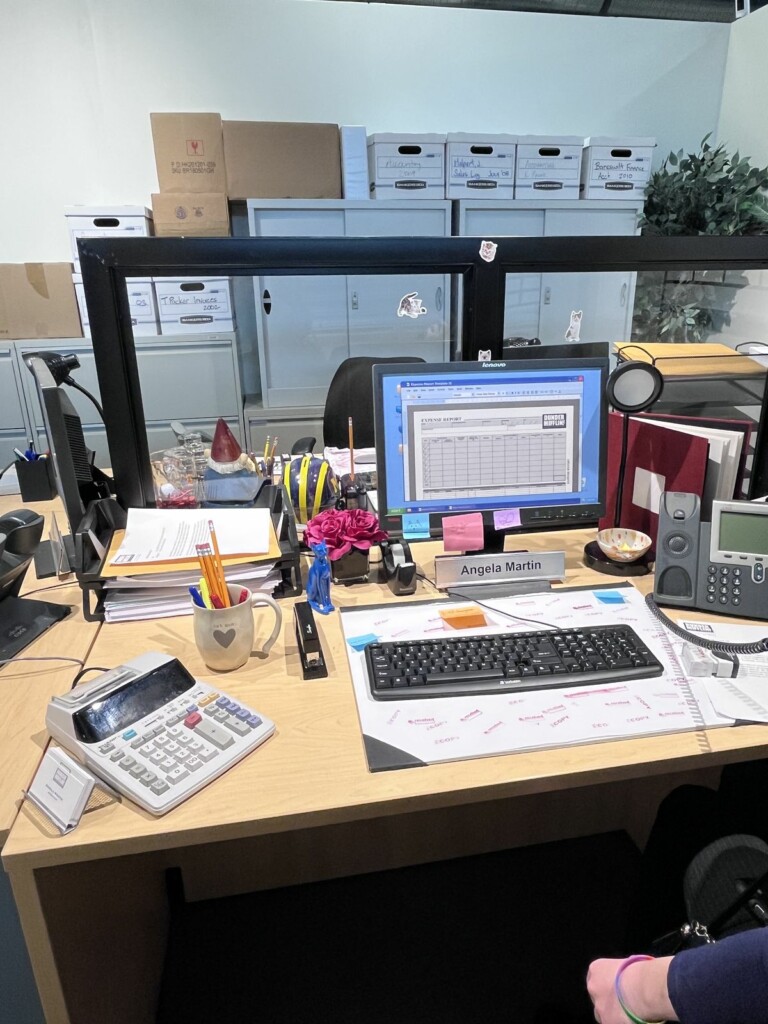
Desk Accessories
Desk accessories improve comfort and organization at workstations.
1. Pen Holders
Pen holders keep writing instruments organized and accessible.
2. Desk Organizers
Desk organizers store stationery neatly and reduce clutter.
3. Calendars
Desk calendars help employees track schedules, appointments, and deadlines.
4. Name Plates
Name plates identify employees and departments professionally.
5. Mouse Pads
Mouse pads improve computer mouse performance and desk comfort.
6. Desk Lamps
Desk lamps provide adequate lighting for reading and writing tasks.

Adhesive and Fastening Supplies
These supplies help attach, bind, and seal materials efficiently.
1. Staplers
Staplers fasten multiple pages together neatly.
2. Staples
Staples are metal fasteners used with staplers.
3. Staple Removers
Staple removers safely remove staples without damaging paper.
4. Glue Sticks
Glue sticks are used for paper bonding and craft-related tasks.
5. Liquid Glue
Liquid glue provides stronger adhesion for various materials.
6. Adhesive Tape
Tape is useful for sealing packages and attaching documents.
7. Rubber Bands
Rubber bands bundle papers and office materials together.

Cutting and Measuring Tools
Offices often require tools for cutting and measurement tasks.
1. Scissors
Scissors are used for cutting paper, tape, and packaging materials.
2. Paper Cutters
Paper cutters help trim paper accurately in large quantities.
3. Utility Knives
Utility knives open packages and cut thick materials.
4. Rulers
Rulers measure length and draw straight lines.
5. Measuring Tape
A measuring tape is useful for office layout planning and packaging tasks.
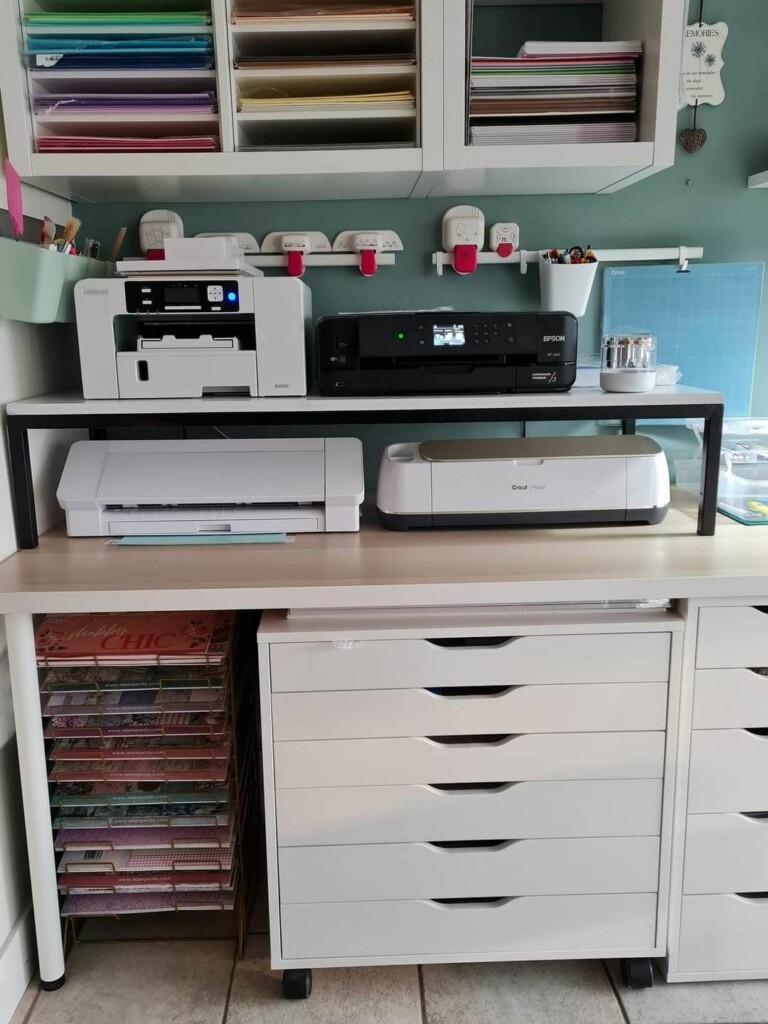
Printing and Computer Accessories
Modern offices rely heavily on printing and computer-related supplies.
1. Printers
Printers are essential for producing hard copies of documents.
2. Printer Ink and Toner
Ink cartridges and toner cartridges are necessary printer consumables.
3. Photocopier Paper
High-quality paper ensures smooth photocopying and printing.
4. USB Drives
USB drives store and transfer digital files conveniently.
5. External Hard Drives
External hard drives provide additional storage and backup solutions.
6. Cables and Chargers
Computer accessories such as USB cables and chargers support device connectivity.
7. Surge Protectors
Surge protectors safeguard office electronics from power fluctuations.

Presentation and Meeting Supplies
Meetings and presentations require specialized stationery items.
1. Whiteboards
Whiteboards are commonly used for discussions, planning, and brainstorming.
2. Whiteboard Markers
These markers are specially designed for whiteboard writing.
3. Flip Charts
Flip charts are useful during seminars, workshops, and training sessions.
4. Projector Accessories
Projectors may require remote controls, cables, and screens.
5. Laser Pointers
Laser pointers help presenters highlight key points during presentations.
6. Meeting Notepads
Meeting notepads allow participants to record important discussions.

Mailing and Packaging Supplies
Many offices regularly send documents and products through the mail or courier services.
1. Envelopes
Envelopes protect letters and documents during delivery.
2. Packaging Boxes
Packaging boxes are used for shipping office products and documents.
3. Bubble Wrap
Bubble wrap protects fragile items during transportation.
4. Packing Tape
Packing tape seals packages securely.
5. Shipping Labels
Shipping labels identify destination and sender details clearly.
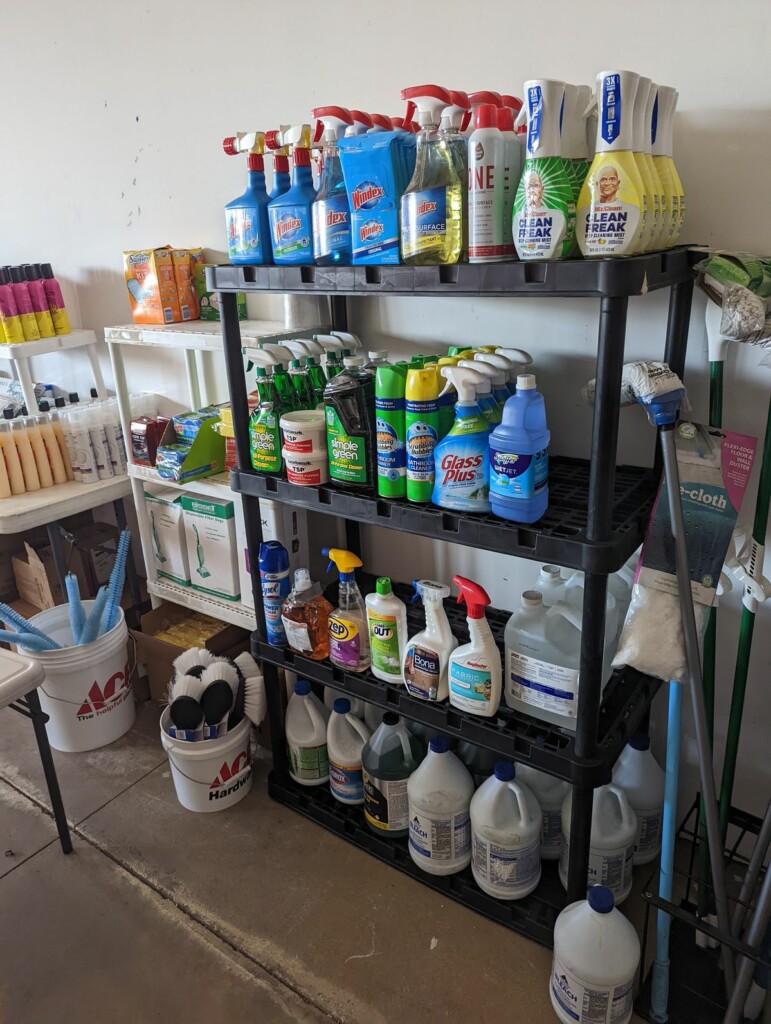
Cleaning and Maintenance Supplies
Cleanliness is important for maintaining a healthy office environment.
1. Tissues
Tissues are necessary for hygiene and cleaning minor spills.
2. Wet Wipes
Wet wipes clean surfaces and office equipment quickly.
3. Hand Sanitizers
Hand sanitizers promote workplace hygiene and reduce germ spread.
4. Cleaning Sprays
Cleaning sprays disinfect desks, keyboards, and office furniture.
5. Dustbins
Dustbins help maintain office cleanliness and waste management.
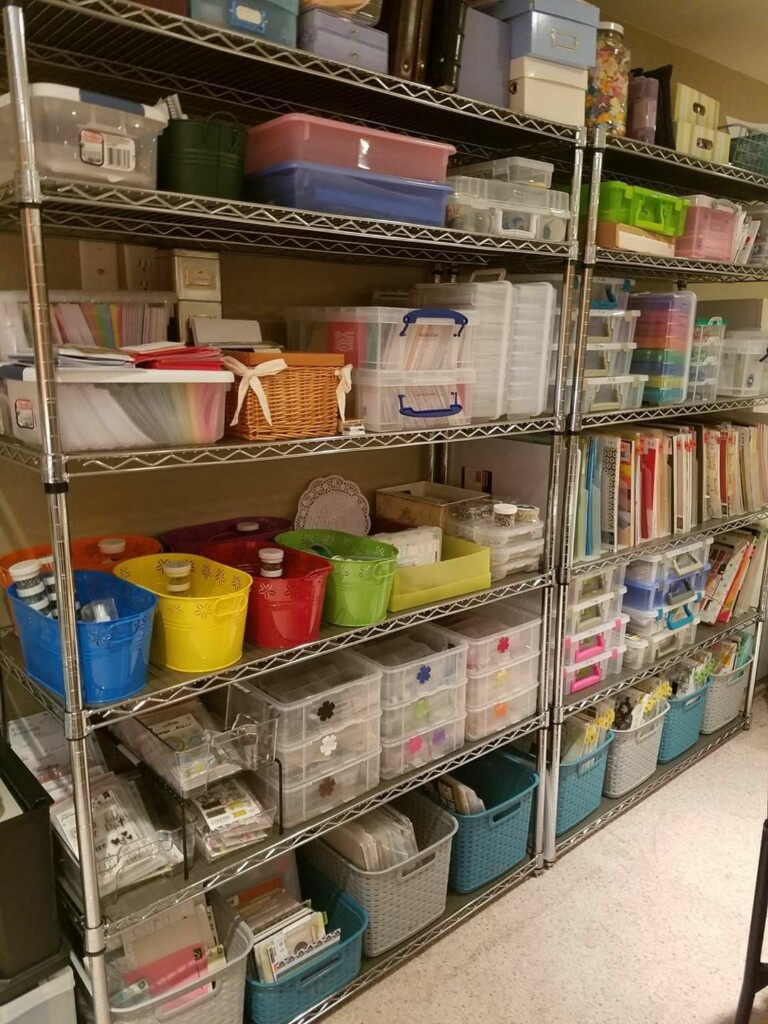
Tips for Managing Office Stationery
Proper stationery management reduces waste and unnecessary expenses.
1. Maintain Inventory
Track stationery stock regularly to avoid shortages.
2. Buy in Bulk
Bulk purchasing often reduces costs significantly.
3. Store Properly
Store supplies in dry and organized spaces.
4. Assign Responsibility
Assign staff members to monitor stationery usage.
5. Encourage Responsible Use
Employees should avoid wasting paper and supplies.
Conclusion
Office stationery is an indispensable part of every workplace. From simple pens and paper to advanced printers and digital accessories, these tools support communication, organization, productivity, and professionalism. Proper office supplies ensure smooth workflow and help employees perform tasks efficiently without interruptions.
A well-planned office stationery list should include writing tools, paper products, filing supplies, desk accessories, presentation materials, mailing items, cleaning products, and technology accessories. Organizations should also focus on inventory management and eco-friendly practices to reduce waste and expenses.
Whether working in a corporate office, educational institution, government office, or home office, having the right stationery items readily available contributes greatly to operational success and workplace efficiency. Investing in quality office stationery is not just about purchasing supplies; it is about creating an organized, productive, and professional working environment.
FAQs:
A. Common essentials include pens, pencils, notebooks, sticky notes, staplers, paper clips, files, folders, markers, scissors, and printer paper.
A. Office stationery helps employees stay organized, communicate effectively, manage documents, and improve overall productivity.
A. The replenishment schedule depends on usage, but most offices review and restock supplies weekly or monthly.
A. Every office should have ballpoint pens, gel pens, pencils, highlighters, permanent markers, and whiteboard markers.
A. Files, folders, binders, labels, paper clips, binder clips, and document trays are commonly used for organizing paperwork.
A. Yes, sticky notes are useful for reminders, task tracking, quick messages, and marking important documents.
A. Printer paper, notepads, notebooks, memo pads, envelopes, and sticky note pads are among the most commonly used paper products.
A. Businesses can buy supplies in bulk, monitor inventory regularly, encourage responsible usage, and choose durable products.
A. Desk organizers, pen holders, document trays, calendars, and memo boards help maintain a tidy and efficient workspace.
A. A basic checklist should include pens, pencils, erasers, notebooks, sticky notes, staplers, staples, paper clips, files, folders, scissors, tape, markers, and printer paper.
A. Look for durable materials, reliable brands, comfortable designs, and products that suit your daily work requirements.
A. Remote workers typically need notebooks, pens, sticky notes, printer paper, folders, highlighters, and desk organizers to stay productive at home.
