
Hair Care Tips for Men: 15 Simple Habits for Healthy Hair
Last updated:
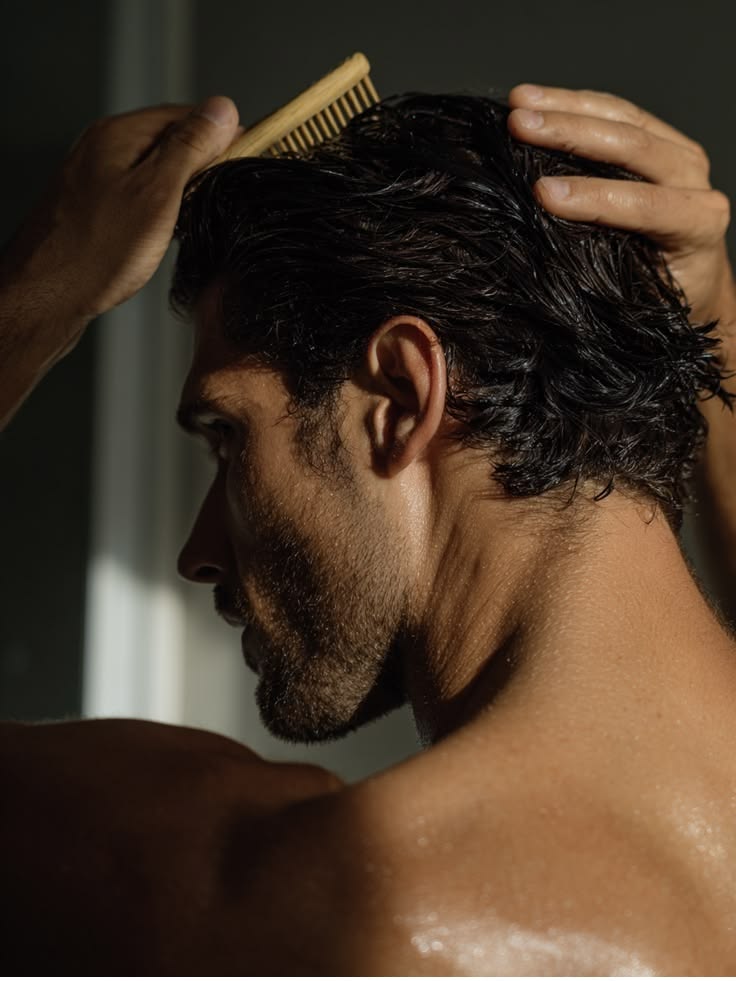
Healthy, well-groomed hair is not just about appearance it is also closely connected to the health of your scalp and your everyday habits. The good news is that men don’t need an overly complicated hair-care routine to keep their hair looking clean, strong, and manageable. A few simple habits, practiced consistently, can make a noticeable difference.
Hair Care Tips for Men:
Whether you have short hair, long hair, curly hair, straight hair, an oily scalp, or a dry scalp, the basics of good hair care remain fairly simple. The key is understanding what your hair and scalp need and avoiding habits that can cause unnecessary dryness, breakage, or irritation.
From choosing the right shampoo to managing heat styling, eating a balanced diet, and recognizing early changes in your hair, here are 15 simple hair-care habits every man can follow.
1. Wash Your Hair Regularly:
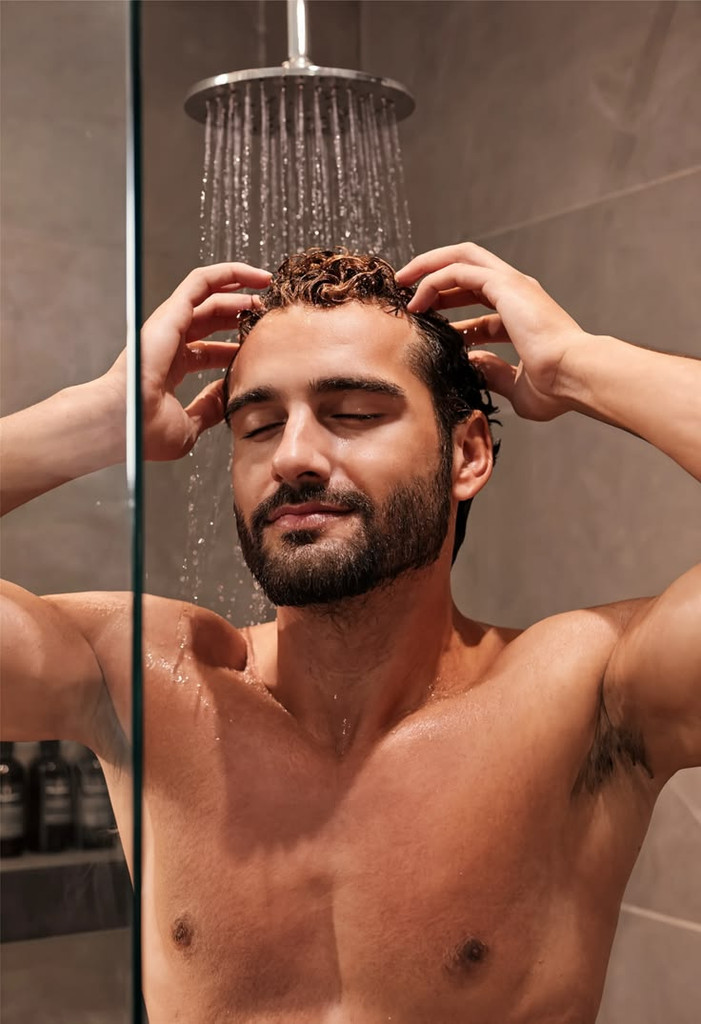
Keeping your scalp clean is one of the foundations of good hair care. Throughout the day, your scalp can accumulate sweat, oil, dead skin cells, dust, and styling-product residue. Regular washing helps remove this buildup and keeps the scalp feeling fresh.
However, washing your hair every day isn’t necessarily ideal for everyone. The right frequency depends on your hair type, scalp condition, lifestyle, and the products you use.
Men with oily scalps or those who exercise frequently may need to wash their hair more often. On the other hand, people with dry, curly, or coarse hair may benefit from washing less frequently to avoid excessive dryness.
Instead of following a fixed schedule, pay attention to your scalp. If it becomes noticeably greasy, itchy, or uncomfortable, it may be time for a wash.
2. Choose the Right Shampoo:
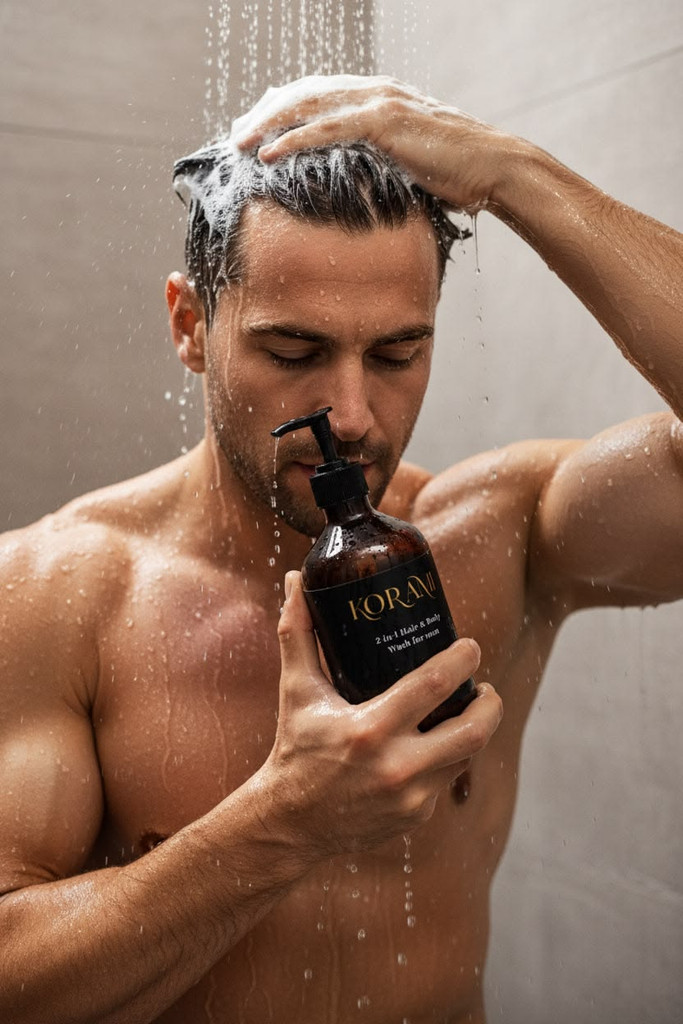
Not every shampoo works equally well for every scalp. Choosing a product based on your specific needs can make your routine much more effective.
If you have an oily scalp, look for a shampoo designed to remove excess oil without leaving your scalp feeling excessively dry. If your hair tends to be dry or coarse, a gentler, moisturizing formula may be more appropriate.
Men who experience dandruff may need an anti-dandruff shampoo containing an appropriate active ingredient. If dandruff is persistent or severe, consider consulting a dermatologist rather than continuously switching between products.
Also, don’t assume that a shampoo that creates lots of foam is automatically better. Lather can make a product feel effective, but it isn’t the only measure of how well a shampoo cleans your hair.
3. Don’t Use Very Hot Water:
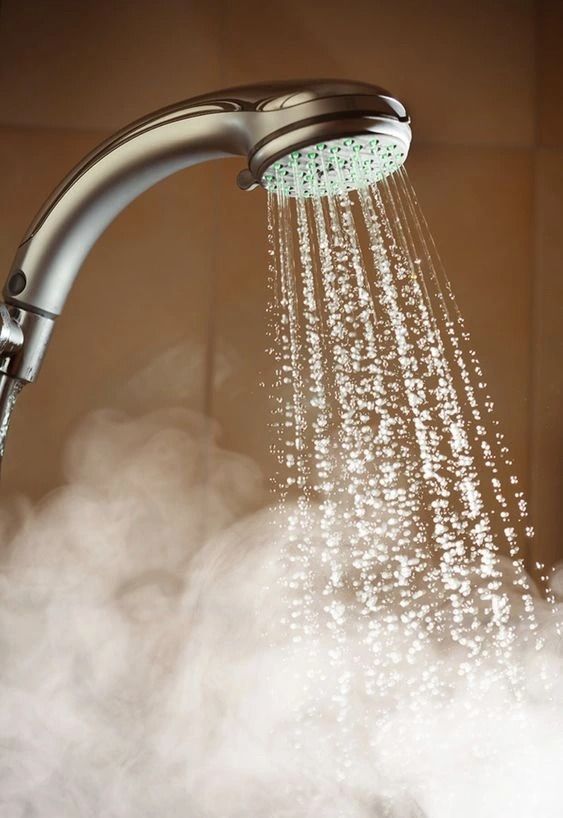
A long, hot shower can feel relaxing, especially after a busy day, but very hot water may leave your scalp and hair feeling dry.
Instead, try washing your hair with lukewarm water. It can effectively rinse away shampoo and product residue without exposing your scalp to unnecessarily high temperatures.
You don’t need to finish every shower with an extremely cold rinse. The more important habit is simply avoiding excessively hot water, particularly if your scalp is already dry or sensitive.
4. Massage Your Scalp Gently:
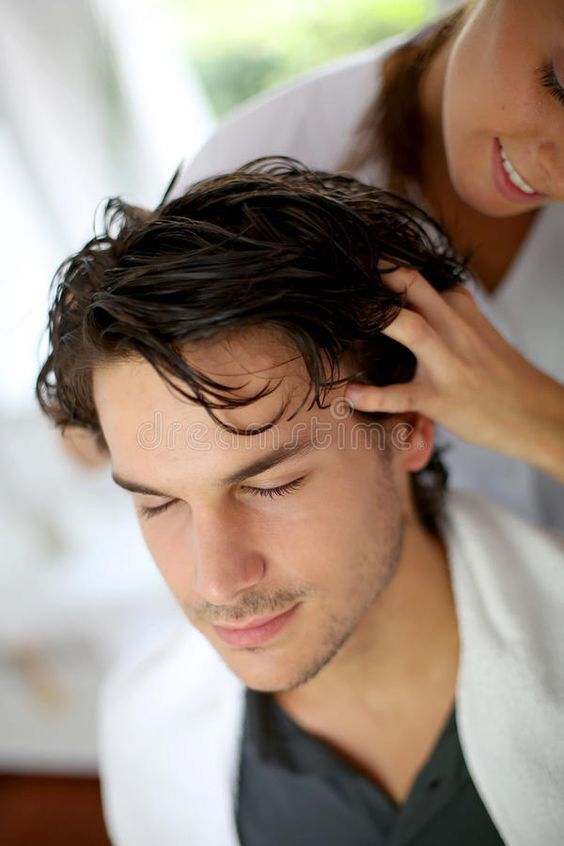
When shampooing your hair, take a moment to gently massage your scalp using your fingertips.
Avoid aggressively scratching your scalp with your fingernails. Scrubbing too hard can irritate the skin and may make an already sensitive scalp feel worse.
A gentle massage also helps distribute shampoo evenly across the scalp. Focus on the scalp rather than repeatedly rubbing the hair itself, because excessive friction along the hair shaft can contribute to tangling and breakage.
Keep the process simple: apply shampoo, gently work it through the scalp with your fingertips, and rinse thoroughly.
5. Use Conditioner:
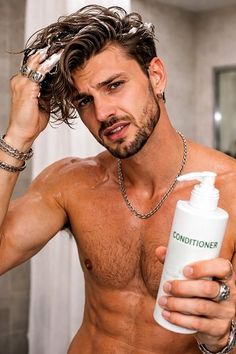
Many men skip conditioner because they have short hair or assume it isn’t necessary. However, conditioner can make hair softer, smoother, and easier to manage.
Shampoo primarily cleans the scalp and hair, while conditioner helps improve the feel and manageability of the hair.
If your hair is short, you may only need a small amount. If you have longer, dry, curly, or coarse hair, conditioner can be particularly useful.
Generally, apply conditioner mainly to the lengths and ends of your hair rather than heavily coating the scalp. Leave it on according to the product instructions and rinse thoroughly.
6. Avoid Aggressive Towel Drying:

One of the simplest hair-care mistakes is vigorously rubbing wet hair with a towel.
Wet hair can be more vulnerable to mechanical damage, and rough towel drying creates unnecessary friction. Instead of rubbing your hair back and forth, gently squeeze out excess water and pat or blot your hair dry.
A soft towel can also help reduce friction.
You don’t have to leave your hair soaking wet, but there’s no need to aggressively scrub it until it’s completely dry. A gentler approach is easier on your hair.
7. Limit Excessive Heat Styling:
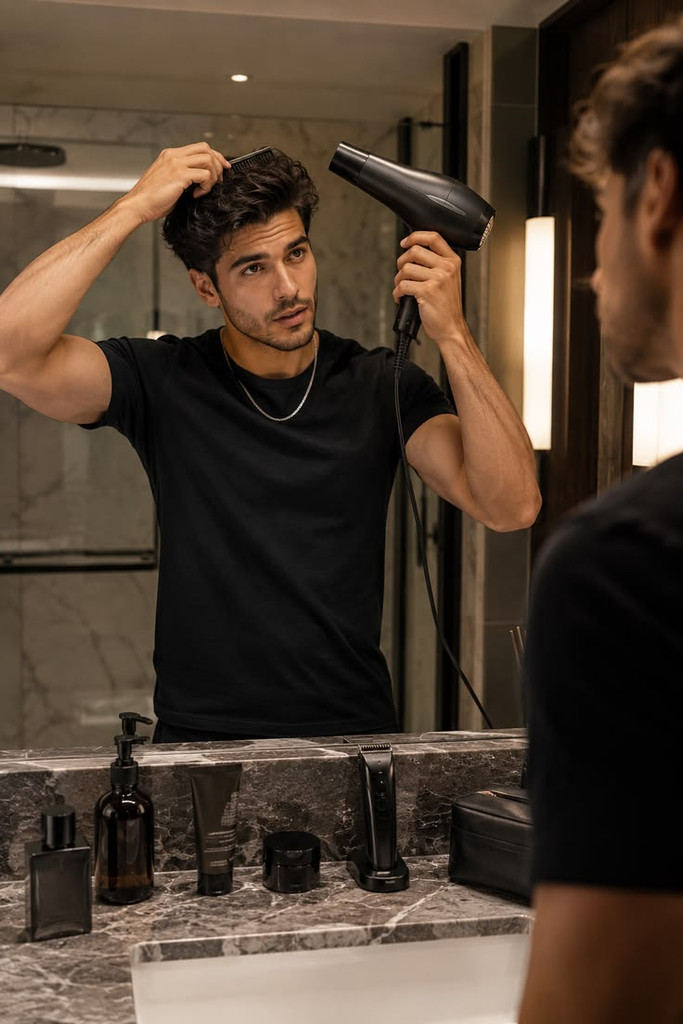
Hair dryers, straighteners, curling tools, and other heated styling devices can make grooming easier, but frequent or excessive heat exposure can damage the hair.
If you use a hair dryer, avoid holding it extremely close to your scalp or hair for a prolonged period. Moderate heat and continuous movement are generally preferable to concentrating intense heat on one area.
If you use straighteners or other high-heat tools, try to limit how frequently you use them. Using a suitable heat-protective product can also help reduce heat-related damage.
For everyday styling, consider whether you can achieve the desired look with less heat.
8. Be Careful With Styling Products:
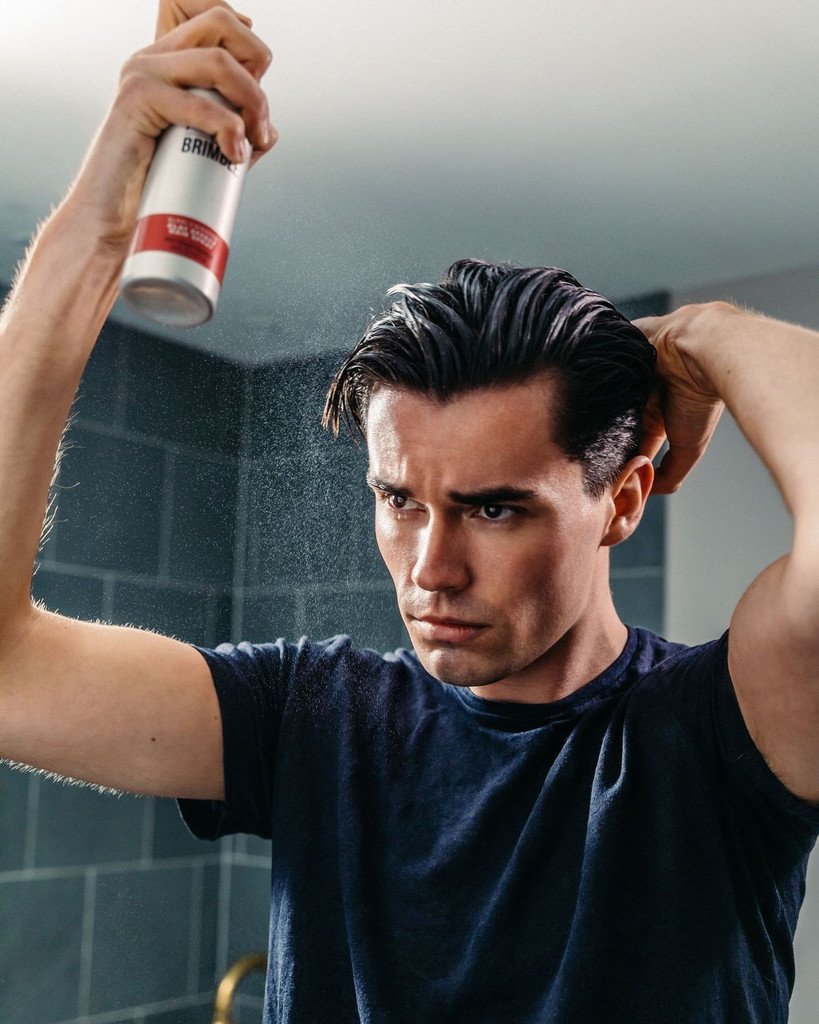
Hair wax, clay, gel, pomade, cream, and other styling products can help you achieve everything from a neat office hairstyle to a textured casual look.
The key is moderation.
Using too much product can leave hair looking greasy, heavy, or stiff. It can also contribute to buildup, particularly if you don’t wash your hair appropriately.
Start with a small amount and add more only if necessary. Spread the product evenly through your hands before applying it to your hair.
If you regularly use heavy styling products, make sure your normal washing routine is sufficient to remove the residue.
9. Keep Your Comb or Brush Clean:
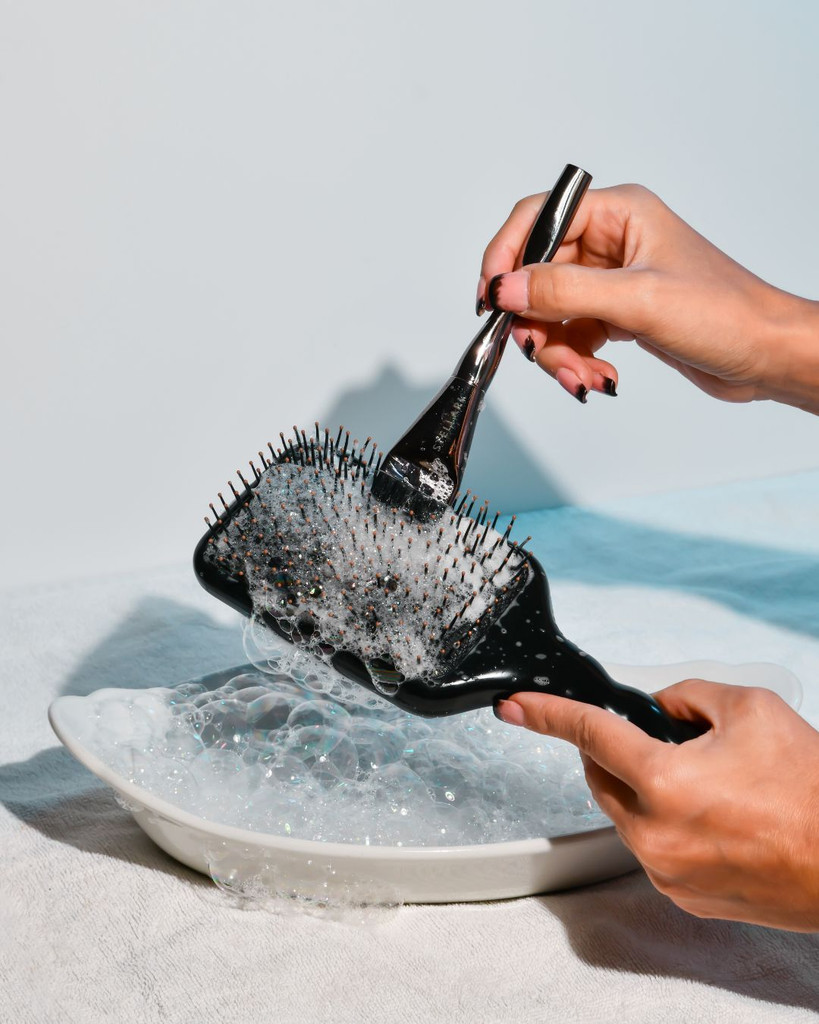
Your hair-care routine isn’t only about shampoo and conditioner. The tools you use also deserve attention.
Combs and brushes can collect loose hair, oil, dead skin cells, dust, and styling-product residue. Over time, putting a dirty brush back through freshly washed hair isn’t particularly helpful.
Remove trapped hair from your comb or brush regularly and clean the tool periodically according to its material and design.
It’s also a good idea not to share combs or brushes with other people, particularly if someone has a scalp infection or other contagious condition.
10. Avoid Constantly Pulling Your Hair Back:
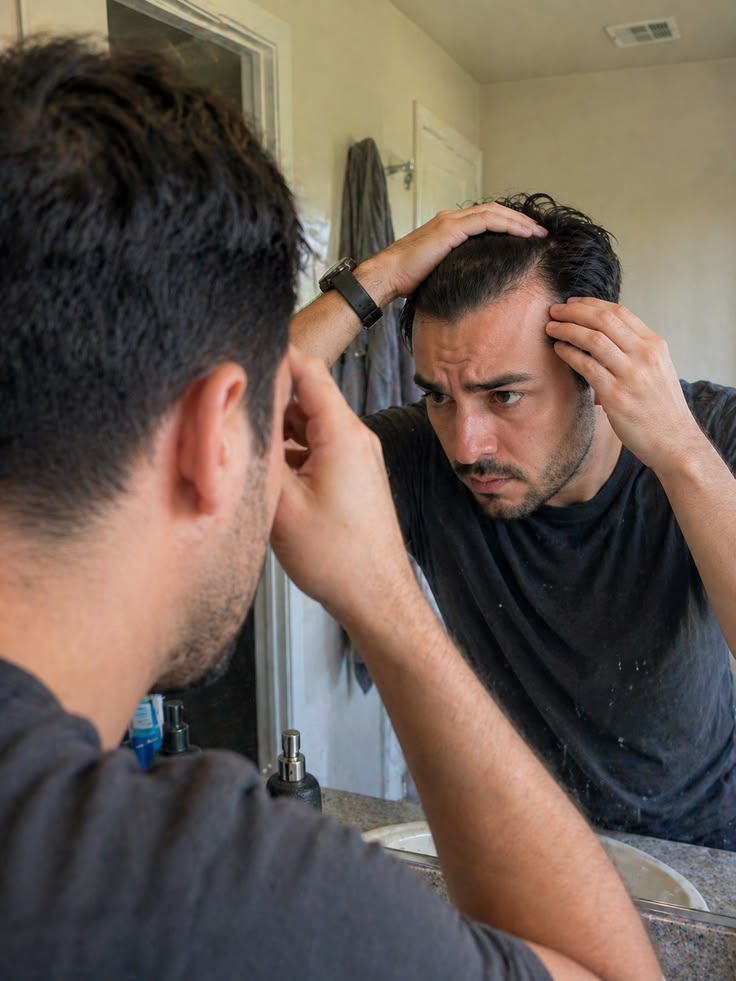
If you have medium or long hair, regularly wearing very tight ponytails, buns, or other pulled-back styles can place repeated tension on the hair.
Occasional styling is unlikely to be a problem for most people, but consistently pulling hair tightly can contribute to traction-related hair loss in some cases.
When possible, choose looser hairstyles and avoid unnecessarily tight hair ties.
If you notice pain, tenderness, broken hairs around the hairline, or thinning in areas that experience repeated tension, consider changing your hairstyle and speaking with a dermatologist if the problem continues.
11. Protect Your Hair From the Sun:

Your scalp and hair are exposed to the environment every time you spend time outdoors. Prolonged sun exposure can contribute to dryness and can affect the appearance and condition of hair.
A simple way to protect yourself is to wear a comfortable hat when you’re outside for extended periods, particularly in strong sunlight.
A hat also provides the added benefit of protecting your scalp from direct sun exposure.
You don’t need to avoid the outdoors to protect your hair. Just consider sun protection part of your overall grooming and skin-care routine.
12. Eat a Balanced Diet:

What you eat matters for overall health, and hair growth depends on adequate nutrition.
Rather than searching for a single “hair-growth food,” focus on a balanced diet containing sufficient protein, vegetables, fruits, whole grains, and healthy fats.
Protein is particularly important because hair is primarily made of a protein called keratin. Nutrients such as iron, zinc, vitamin D, and certain B vitamins are also involved in normal hair health, but supplements aren’t automatically beneficial if you aren’t deficient.
If you experience significant hair loss or suspect a nutritional deficiency, it’s better to speak with a healthcare professional before taking high-dose supplements.
A balanced diet is generally a more sensible foundation than relying on products promising dramatic hair growth.
13. Stay Hydrated:

Staying adequately hydrated is an important part of general health. While drinking more water isn’t a standalone treatment for hair loss, maintaining normal hydration supports your body’s overall functions.
Make water your primary beverage when possible and drink according to your thirst, activity level, and environment.
If you exercise regularly or spend a lot of time in hot weather, you may need more fluids than you would on a cool, inactive day.
Think of hydration as one part of a healthy lifestyle rather than a magic solution for dry or thinning hair.
14. Manage Stress and Get Adequate Sleep:

Your hair can sometimes reflect what’s happening in the rest of your body. Significant or prolonged physical or emotional stress can contribute to temporary increases in hair shedding in some people.
This is one reason it’s worth paying attention to your overall lifestyle rather than focusing exclusively on hair products.
Try to maintain a regular sleep schedule, exercise regularly, eat balanced meals, and make time for activities that help you relax.
Stress management won’t prevent every type of hair loss, because many forms of hair loss have genetic, hormonal, medical, or other causes. However, taking care of your general wellbeing is still an important part of a healthy routine.
15. Pay Attention to Changes in Your Hair:
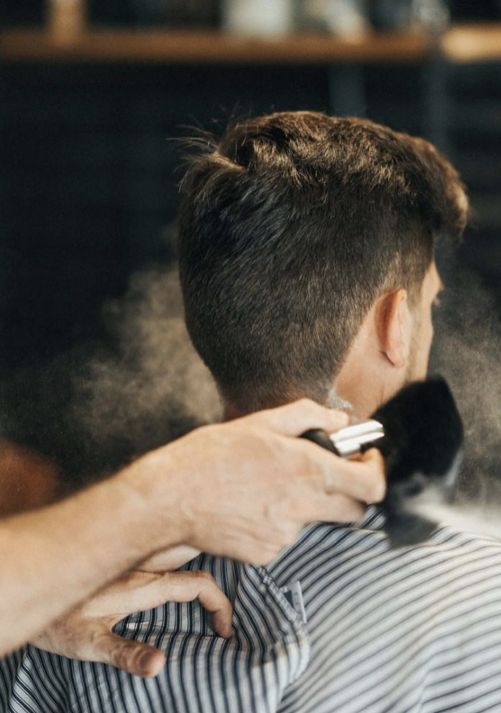
One of the most important hair-care habits is knowing when something has changed.
A few hairs falling out during washing or brushing is normal. However, noticeable or persistent changes deserve attention.
Look out for signs such as:
- Sudden or significant hair shedding
- Gradually increasing hair thinning
- Receding areas around the hairline
- New bald patches
- Persistent dandruff
- Ongoing scalp itching or redness
- Pain, swelling, or irritation of the scalp
- Changes in the texture or appearance of your hair
Hair loss can have many possible causes, including hereditary factors, medical conditions, medications, nutritional deficiencies, and scalp disorders. A dermatologist can assess your scalp and hair and determine whether further evaluation or treatment is appropriate.
The earlier you investigate a persistent problem, the easier it may be to understand what’s causing it.
A Simple Hair-Care Routine for Men:
You don’t need dozens of products to build an effective routine.
Daily
- Keep your hair gently styled.
- Avoid excessive use of heavy styling products.
- Protect your hair and scalp from prolonged sun exposure when appropriate.
- Avoid repeatedly pulling your hair into tight styles.
During Your Shower
- Use lukewarm rather than very hot water.
- Shampoo according to your scalp’s needs.
- Massage the scalp gently with your fingertips.
- Use conditioner, particularly if your hair is dry, long, curly, or difficult to manage.
After Showering
- Avoid aggressive towel rubbing.
- Gently squeeze or pat your hair dry.
- Limit high-heat styling when possible.
Long Term:
- Eat a balanced diet.
- Stay adequately hydrated.
- Get enough sleep and manage ongoing stress.
- Keep combs and brushes clean.
- Pay attention to persistent changes in your scalp or hair.
The best routine is one that you can maintain consistently. You don’t necessarily need expensive shampoos, salon treatments, or a large collection of products.
Conclusion:
Good hair care for men doesn’t have to be complicated. The most useful habits are often the simplest ones: wash your hair according to your scalp’s needs, choose suitable products, use conditioner, handle wet hair gently, limit excessive heat and styling, protect your scalp from prolonged sun exposure, and maintain a balanced lifestyle.
It’s also important to remember that not every hair concern can be solved with a better shampoo or styling product. Genetics, medical conditions, hormones, nutrition, medications, and other factors can influence hair and scalp health.
Start with a simple routine that suits your hair type and stick with it. And if you notice persistent or sudden changes in your hair or scalp, getting professional advice can help you understand the cause rather than relying on trial and error.
Healthy-looking hair is less about having a complicated routine and more about developing consistent habits that work for you.
FAQs:
A. There is no single schedule that works for everyone. Men with oily scalps may need to wash more frequently, while those with dry, curly, or coarse hair may prefer less frequent washing. Your scalp condition, exercise routine, climate, and styling-product use can all affect how often you need to shampoo.
A. For some people, daily shampooing is perfectly reasonable, particularly if the scalp becomes oily or sweaty quickly. Others may find daily washing unnecessarily drying. Choose a frequency that keeps your scalp clean and comfortable without leaving your hair excessively dry.
A. Yes. Conditioner can help make hair softer, smoother, and easier to manage. It can be particularly helpful for dry, curly, coarse, or longer hair. Apply it mainly to the hair rather than heavily coating the scalp.
A. No. Cutting the hair doesn’t change the rate at which it grows from the follicle. However, regular trims can remove split or damaged ends and make the hair look neater.
A. Very hot water can contribute to dryness and may leave the scalp feeling irritated. Lukewarm water is generally a better choice for washing your hair.
A. Significant physical or emotional stress can contribute to temporary increased shedding in some people. However, hair loss has many possible causes, so persistent or substantial shedding should be evaluated rather than automatically attributed to stress.
A. Use a suitable anti-dandruff shampoo according to its instructions. If dandruff is persistent, severe, or accompanied by significant itching, redness, or other scalp changes, consult a dermatologist for an appropriate diagnosis and treatment.
A. Yes. Adequate nutrition supports normal hair growth and overall health. A balanced diet containing sufficient protein and a variety of nutrient-rich foods is generally preferable to taking hair supplements without knowing whether you have a deficiency.
A. Handle wet hair gently, avoid aggressive towel drying, limit excessive heat styling, avoid very tight hairstyles, and use appropriate conditioning products. If you notice substantial breakage or changes in hair texture, consider discussing the problem with a dermatologist.
A. Consider professional evaluation if you experience sudden or significant shedding, rapidly increasing thinning, bald patches, persistent scalp irritation, or other unusual changes. A dermatologist can help identify the underlying cause and discuss appropriate treatment options.

Amit Bose is a BA student studying journalism. He follows online news closely and runs a news page on Facebook. At FastNewsFeed, he covers news and current events, and also writes on finance, beauty and lifestyle topics using published sources.