
Rarely Known Rose Water Side Effects: One Should Know
Last updated:

Rose water is a fragrant liquid made by distilling rose petals with water. It is widely used in skincare, cosmetics, perfumes, and even food preparations. Known for its soothing and refreshing properties, rose water is generally considered safe for most people. However, like any natural product, it may cause side effects in certain individuals. Understanding these potential side effects can help users make informed decisions and use rose water safely.
Rose Water Side Effects:
Rosewater is extremely popular for both its cosmetic & medical use and the surprising benefits. But only a very few people know about the rose water side effects. This is due to the fact that rose water merely has side effects. It has way more benefits than the rose water side effects.
Allergic Reactions:
One of the most common side effects of rose water is an allergic reaction. Some individuals may be sensitive to compounds found in roses, leading to skin irritation after application. Symptoms of an allergic reaction may include:
- Redness
- Itching
- Burning sensation
- Swelling
- Rash or hives
People with sensitive skin or a history of allergies should perform a patch test before applying rose water to larger areas of the body or face.
Skin Irritation:
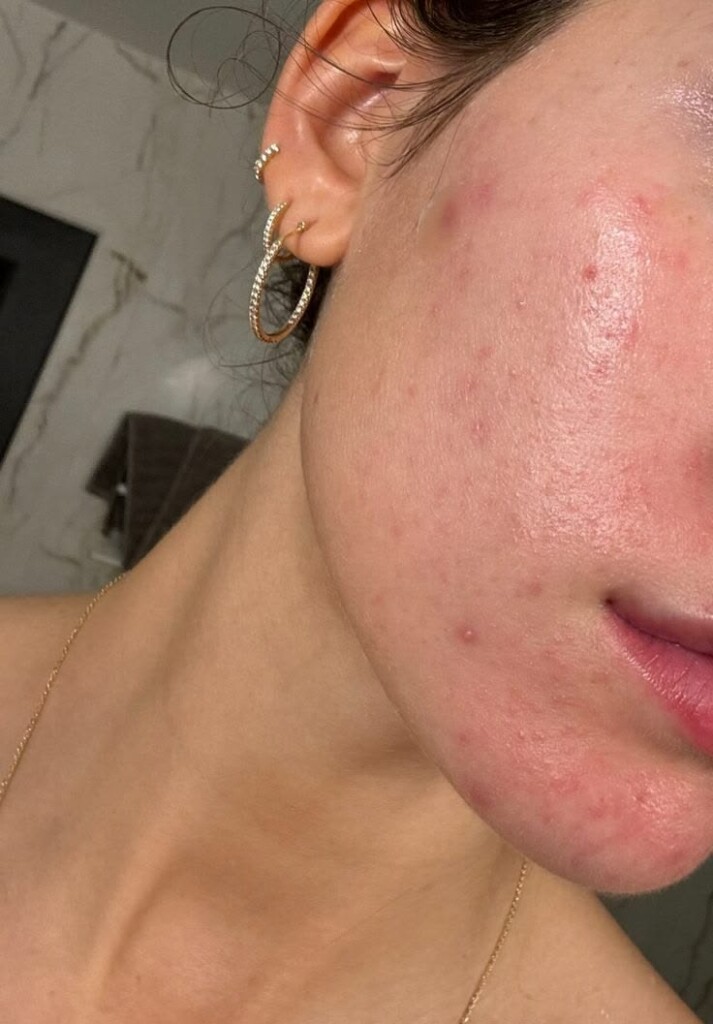
Although rose water is often used to calm irritated skin, it can sometimes have the opposite effect. Certain commercial products may contain preservatives, fragrances, or additives that can irritate the skin. Overuse of rose water may also disrupt the skin’s natural balance, causing dryness or discomfort.
If irritation occurs, discontinue use immediately and consult a dermatologist if symptoms persist.
Eye Irritation:

Rose water is commonly used around the eyes to reduce puffiness and refresh tired skin. However, if it accidentally enters the eyes or contains impurities, it may irritate. Symptoms may include:
- Stinging
- Watering
- Redness
- Temporary blurred vision
To avoid eye irritation, use only high-quality, pure rose water and keep it away from direct contact with the eyes.
Respiratory Sensitivity:

The floral aroma of rose water is pleasant for most people, but some individuals may experience respiratory discomfort. People who are sensitive to strong scents may develop symptoms such as:
- Sneezing
- Nasal irritation
- Headaches
- Mild breathing discomfort
Those with asthma or fragrance sensitivities should use rose water cautiously and discontinue use if symptoms occur.
Digestive Issues:

Rose water is sometimes consumed in beverages, desserts, and traditional remedies. While generally safe in moderate amounts, excessive consumption may lead to digestive discomfort. Possible symptoms include:
- Nausea
- Stomach upset
- Bloating
- Diarrhea
It is important to consume food-grade rose water and follow recommended quantities.
Potential Drug Interactions:

Research on rose water interactions with medications is limited. However, individuals taking medications for allergies, skin conditions, or other health concerns should consult a healthcare professional before using rose water regularly, especially in medicinal amounts.
Risks from Low-Quality Products:

Not all rose water products are created equal. Some commercially available products may contain artificial fragrances, preservatives, alcohol, or contaminants. These ingredients can increase the risk of side effects and reduce the product’s safety and effectiveness.
Always choose reputable brands that clearly label their ingredients and preferably use pure, distilled rose water.
How to Use Rose Water Safely:
To minimize the risk of side effects:
- Perform a patch test before first use.
- Choose pure and high-quality rose water.
- Avoid excessive application.
- Keep the product away from direct eye contact.
- Stop using it if irritation or allergic symptoms develop.
- Consult a healthcare professional if you have known allergies or sensitive skin.
FAQs:
Q. Does rosewater have side effects?
A. Rosewater is extremely popular for both its cosmetic & medical use and the surprising benefits. But only a very few people know about the rosewater side effects. This is due to the fact that rose water merely has side effects. It has way more benefits than the rose water side effects.
Q. What does rosewater do to your face?
A. Rosewater has countless benefits when it comes to cosmetic use or skin care. Rosewater seems to be used in various skin care products due to its calming, soothing, and rejuvenating properties. The daily use of rose water can give skin a flawless, radiant, and glowing appearance.
Q. Is it safe to drink rose water?
A. Overuse of rose water can affect the digestive system. And the intense smell of the rose water can spoil the dish’s actual smell. To avoid this problem, one should use rose water carefully while cooking.
Q. Can rose water irritate skin?
A. Rosewater seems to be used in various skin care products due to its calming, soothing, and rejuvenating properties. It generally does not irritate skin… but if you are allergic to rose water, then it can irritate your skin…
Q. Is Rosewater good for lips?
A. YES…rosewater proves to be great for lips. You can use rosewater at night before going to sleep to get baby-soft lips. Only if you do not have an allergy to rose water
Q. Can we put rose water in our eyes?
A. Rosewater is used in eye drops in liquid form, and it has also been proven to have exceptional benefits for individuals with problems related to the eye. However, you must check for a rose water allergic reaction while using it…
Q. Can you leave rose water in your hair?
A. Rosewater is also used in hair care products such as shampoo, hair masks, and many other forms. These products use rose water in their product because rose water has properties that can moisturize the scalp and thus fight dandruff. One can apply rose water directly on the scalp.

Moumita Sen is a recent graduate who studied finance and medical subjects. She writes on personal finance, hair care and lifestyle topics. She is not a medical professional; health-related articles on FastNewsFeed are based on published medical sources.