
Know In Brief About The History Of Fashion In India
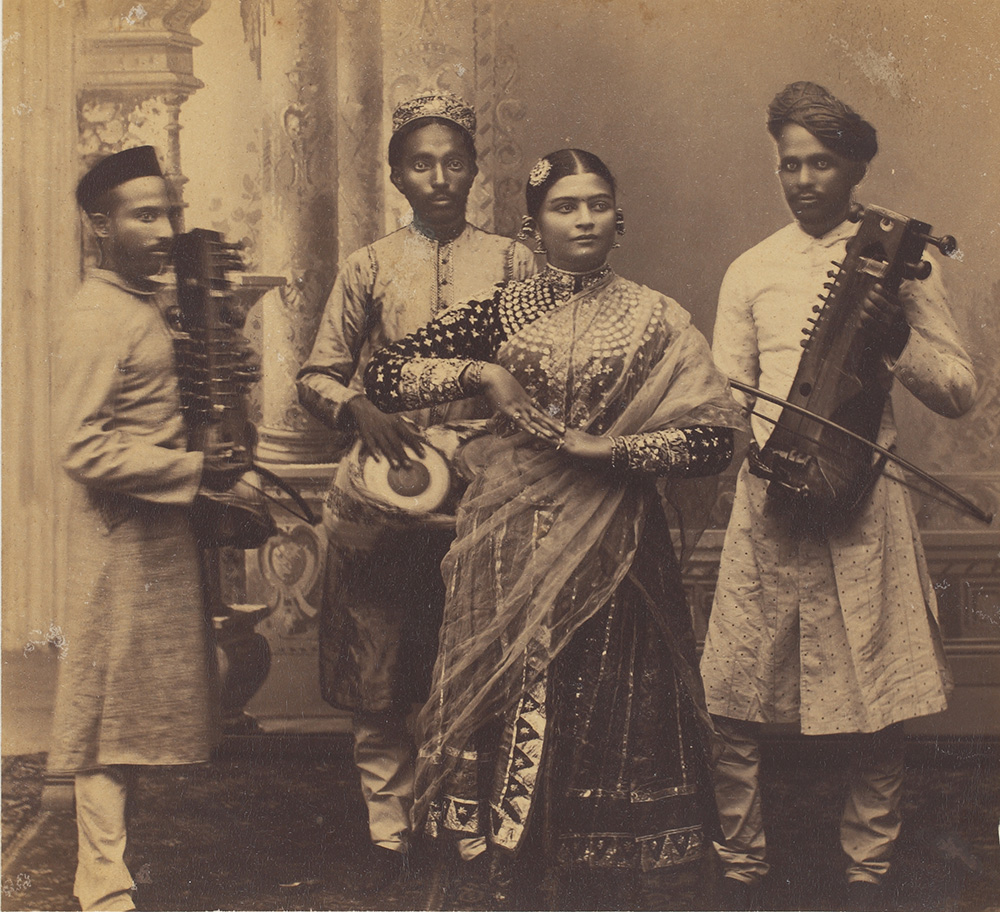
When I explore the history of fashion in India, I realize that it is not just about clothes—it is about civilization, culture, identity, and continuous evolution. Indian fashion is as ancient as human civilization itself, and yet, it constantly reinvents its form. Over centuries, styles have changed, fabrics have evolved, and influences have blended, but the soul of Indian fashion has always remained intact.
In this article, I will walk you through the history of fashion in India in a simple, engaging, and SEO-friendly way. I will also explain how Indian fashion has evolved across different eras while still inspiring modern trends today.
What Does the History of Fashion in India Really Mean?
When I talk about the history of fashion in India, I do not limit it to garments alone. Instead, I look at fashion as an ever-changing expression of lifestyle, climate, social structure, and cultural values. From draped garments to stitched silhouettes, Indian fashion has always adapted to time while preserving tradition.
Moreover, fashion trends in India often repeat themselves. Designs from ancient and medieval periods frequently reappear in modern styles, beautifully blended with contemporary aesthetics.
Evolution of Fashion in India Over Time
Today, fashion changes faster than ever. However, if I look closely, I can still trace modern trends back to India’s rich past. Thanks to fashion journals, research papers, designers, and digital platforms, information about the fashion history of India is now easily accessible.
That said, every historian and designer views Indian fashion differently. This variation exists because India’s fashion history has been influenced by:
Trade with neighboring countries
Cultural exchanges
Climate and geography
Social and economic structures
As a result, there is no single narrative—there are many perspectives that together form the complete picture.
Modern Fashion and Its Roots in India
If I want to understand modern Indian fashion, I simply walk through the streets of cities like Delhi or Mumbai. From luxury designer labels to street fashion, everything reflects a mix of global trends and traditional influences.
Moreover, Indian designers are now appreciated worldwide. Their work is showcased on international runways, proving that the Indian fashion industry is growing stronger every year. Although affordability and mass production still pose challenges, the future of Indian fashion looks promising and innovative.
Fashion in Ancient India
Fashion in India began shaping itself thousands of years ago. One of the earliest references comes from the Indus Valley Civilization, also known as the Harappan Civilization.
Clothing in Ancient India
Although textiles rarely survived from this era, sculptures and artifacts give us valuable clues.
Cotton fabric was widely used
Men often wore turbans and draped garments
Priest-kings wore robes over one shoulder
Women wore knee-length skirts and heavy jewelry
Both men and women adorned themselves with earrings, bangles, and necklaces
Natural cosmetics like lip color were used
Skins were worn during colder seasons
Reeds and straw were woven into footwear
Key Evidence
One of the strongest proofs of early Indian fashion is the famous Dancing Girl statue from Mohenjo-daro, which represents early craftsmanship and adornment techniques.
Fashion During the Vedic Era
The Vedic period marks a significant stage in the history of fashion in India, as it laid the foundation for clothing styles still worn today.
Common Clothing Styles
People wore unstitched garments due to the hot climate
Clothes were wrapped and secured with belts or pins
Upper garments were known as Uttariya
Lower garments were called Paridhana or Vasana
Pravara (cloak or mantle) was worn during winter
Men’s Clothing in the Vedic Period
Dhoti-style draped garments
Kurta-like upper garments
Loose pajama-style trousers
Women’s Clothing in the Vedic Period
Early form of the sari
Draped around the waist with pleats in front
The end of the sari covered the bust
Blouses or cholis were later introduced
Ghagra choli emerged in the later Vedic phase
Maurya and Sunga Period: Growth of Textile Variety
During the Maurya and Sunga dynasties, art, philosophy, and fashion flourished together.
Fabrics Used
Cotton
Wool
Silk
Linen
Jute
High-quality cotton and silk became popular, while red woolen blankets from Gandhara were widely admired.
Women’s Fashion
Head covered with Uttariya
Hair parted in the center and styled into plaits or buns
Heavy jewelry such as bangles, armlets, anklets, necklaces, and earrings
Men’s Fashion
Early Mauryan men did not wear turbans
Turbans became common during the Sunga period
Decorative brooches and jeweled elements were added
Fashion During the Kushan Period
The Kushan era introduced a fusion of indigenous and foreign clothing styles, marking a turning point in Indian fashion.
Common Clothing
Antariya (lower garment)
Uttariya (upper drape)
Kayabandh (waistband)
Turbans for men
Long-sleeved tunics with neck slits
Categories of Kushan Costumes
Indigenous Indian garments
Foreign Kushan royal attire
Foreign traders and grooms
Guards and harem attendants
Mixed indigenous and foreign styles
This blending of cultures significantly influenced later Indian fashion traditions.
Why Indian Fashion Continues to Inspire the World
When I observe the journey of Indian fashion, I notice one powerful truth: a change in lifestyle always brings a change in clothing. As people evolve, fashion evolves with them.
Today, Indian fashion is not just a source of income but also a global inspiration. Designers draw ideas from ancient silhouettes, traditional fabrics, and regional crafts, creating timeless yet modern designs.
FAQs:
Q. What is the history of fashion in India?
A. The history of fashion in India dates back to ancient civilizations and reflects cultural, social, and regional influences that evolved over centuries.
Q. Which civilization influenced early Indian fashion?
A. The Indus Valley Civilization played a major role, especially through cotton usage and early draping styles.
Q. Did ancient Indians wear stitched clothes?
A. Mostly no. Early clothing was unstitched and draped. Stitched garments appeared later with foreign influences.
Q. How did Indian fashion change over time?
A. Indian fashion evolved through cultural exchange, climate adaptation, and social changes while preserving traditional roots.
Q. Why is Indian fashion globally popular today?
A. Indian fashion is admired for its craftsmanship, textiles, versatility, and ability to blend tradition with modern trends.
Final Thoughts
To sum up, the history of fashion in India is a journey of tradition, innovation, and cultural richness. From ancient drapes to modern designer wear, Indian fashion continues to evolve while honoring its roots. Personally, I believe this timeless balance is what makes Indian fashion truly extraordinary.
