
Which One Is The Smallest District In India?
India is one of the world’s largest and most diverse countries, comprising 28 states and 8 union territories. To ensure efficient administration, these states and union territories are further divided into districts. As of 2026, India has more than 800 districts, varying greatly in terms of area, population, culture, geography, and economic significance.
Some districts cover vast stretches of land, while others occupy only a few square kilometers. This naturally raises an interesting question: Which is the smallest district in India?
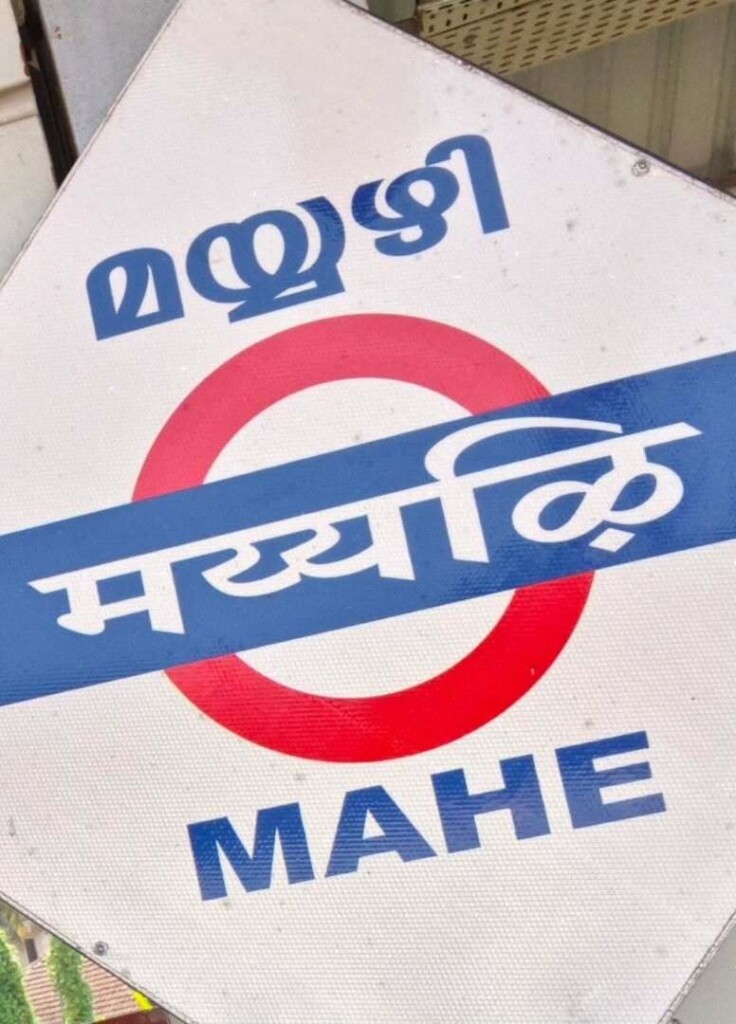
The answer is Mahe District, a tiny district that belongs to the Union Territory of Puducherry. Despite its small size, Mahe has a rich history, unique cultural identity, and significant administrative importance. In this article, we will explore everything about India’s smallest district, including its geography, history, demographics, culture, economy, tourist attractions, and interesting facts.
Which Is The Smallest District In India?
Mahe District is the smallest district in India in terms of geographical area. It covers only about 8.69 square kilometers (approximately 9 square kilometers), making it significantly smaller than most districts in the country.
Despite being located within Kerala, Mahe is administratively part of the Union Territory of Puducherry. This unique arrangement makes it one of the most fascinating districts in India.
Quick Facts About Mahe District
| Feature | Details |
|---|---|
| District Name | Mahe |
| Union Territory | Puducherry |
| Area | 8.69 sq. km |
| Population (2011 Census) | Approximately 41,800 |
| Official Language | Malayalam |
| Location | Surrounded by Kerala |
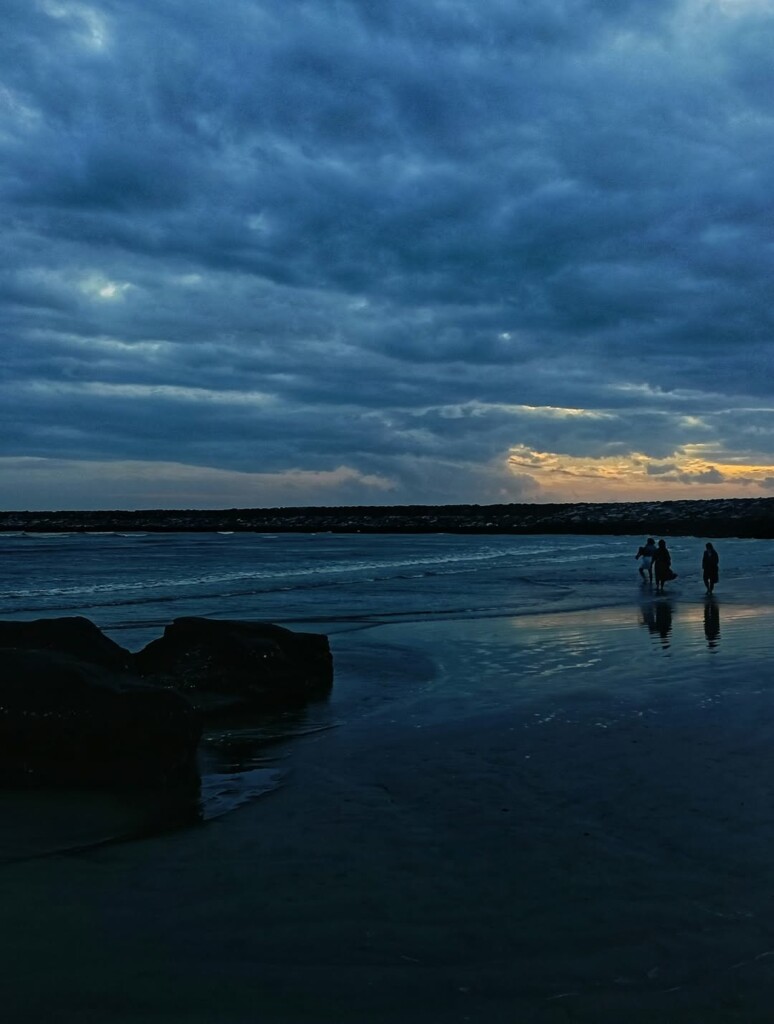
| Coastline | Arabian Sea |
| Literacy Rate | Around 98% |
| Administrative Status | District of Puducherry |
These figures highlight how a very small geographical area can still accommodate a substantial population and vibrant local economy.
Where Is Mahe Located?
One of the most interesting facts about Mahe is its location.
Although Mahe belongs to the Union Territory of Puducherry, it is geographically situated on the western coast of India and is completely surrounded by Kerala. It lies between the districts of Kannur and Kozhikode in the Malabar region.
This means that while residents live within Kerala’s geographical boundaries, they are governed by the administration of Puducherry, which is located hundreds of kilometers away on the eastern coast of India.
Why Is Mahe Part Of Puducherry?
Many people wonder why a district located inside Kerala belongs to Puducherry.
The answer lies in India’s colonial history.
Mahe was once a French colony. Along with Puducherry, Karaikal, and Yanam, it formed part of French India. After India gained independence from British rule in 1947, these French territories remained under French control for a few more years.
Eventually, these regions merged with India and were collectively organized into the Union Territory of Puducherry. As a result, Mahe continues to be administered as part of Puducherry despite being geographically separated from it.
Historical Background Of Mahe
Mahe’s history dates back several centuries.
The area became strategically important because of its location on the Malabar Coast, which was famous for spice trade routes. European powers such as the Portuguese, Dutch, British, and French competed for control of the region.
The French eventually established a settlement in Mahe during the eighteenth century. The district was named after French commander Bertrand-François Mahé de La Bourdonnais. Under French rule, Mahe developed unique cultural characteristics that still remain visible today.
The influence of French architecture, administration, and culture can still be observed in parts of the district.
Geography Of Mahe
Although Mahe is India’s smallest district by area, it possesses beautiful natural scenery.
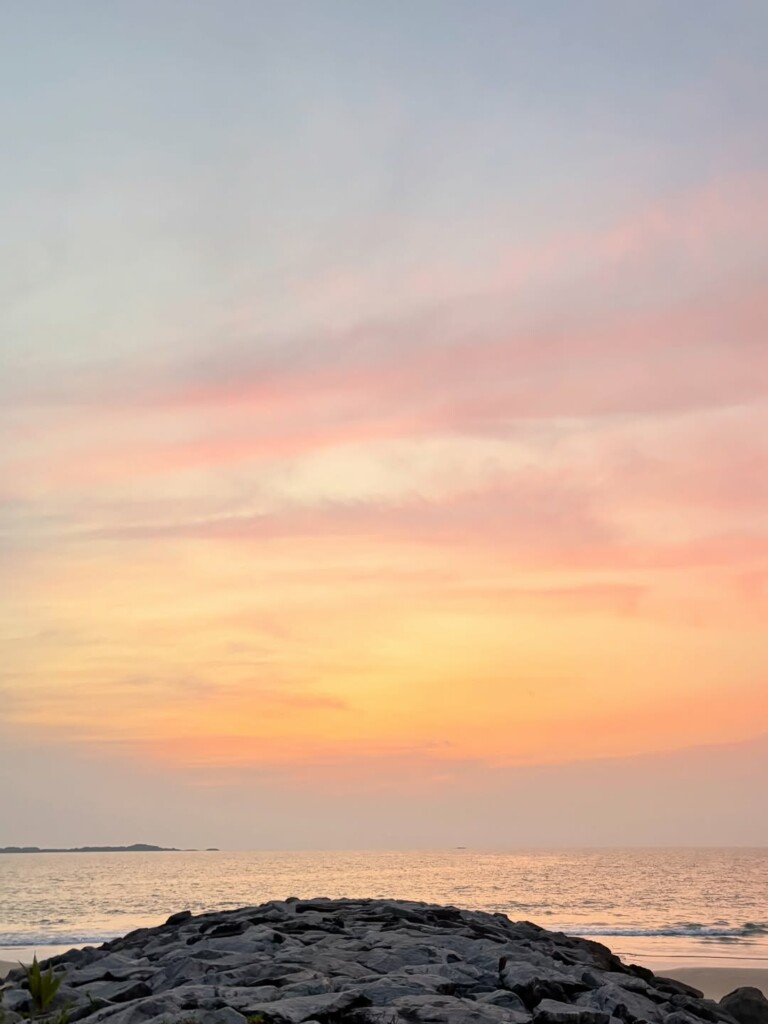
The district lies at the mouth of the Mahe River where it meets the Arabian Sea. Coconut groves, beaches, riverside landscapes, and lush greenery characterize the region.
Its tropical climate is similar to that of Kerala, with:
- Hot summers
- Heavy monsoon rainfall
- Pleasant winters
The district receives significant rainfall during the southwest monsoon season, contributing to its green environment.
Population And Demographics
Despite covering less than 9 square kilometers, Mahe is home to more than 41,000 residents. This makes it one of the most densely populated districts in India.
Some demographic highlights include:
High Literacy Rate
Mahe has an impressive literacy rate exceeding 98%, which is among the highest in India.
Language
The primary language spoken in Mahe is Malayalam, reflecting its geographical location within Kerala. English is also widely understood.
Religious Diversity
The district is home to people from various religious backgrounds, including Hindus, Muslims, and Christians, who coexist peacefully.
Culture And Traditions Of Mahe
Mahe’s culture is a fascinating blend of Kerala traditions and French influences.
The district celebrates many festivals with enthusiasm, including:
- Onam
- Vishu
- Eid
- Christmas
- Local temple festivals
Traditional Kerala cuisine is extremely popular, featuring:
- Appam
- Puttu
- Fish curry
- Malabar biryani
- Seafood dishes
French influences can still be noticed in certain buildings, street layouts, and cultural practices.
Economy Of Mahe
Although small in size, Mahe contributes significantly to the economy of Puducherry.
The district’s economy is based on:
Tourism
Tourism is one of the major sources of income due to Mahe’s scenic beauty and historical significance.
Trade And Commerce
Being situated along important coastal trade routes has historically helped local commerce flourish.
Agriculture
The surrounding region supports cultivation of:
- Coconut
- Banana
- Pepper
- Arecanut
- Mango
Agriculture remains an important economic activity.
Tourist Attractions In Mahe
Despite its tiny size, Mahe offers several attractions for visitors.
Mahe River
The Mahe River is one of the district’s most beautiful natural landmarks. Visitors often enjoy boat rides and riverside views.
Mahe Beach
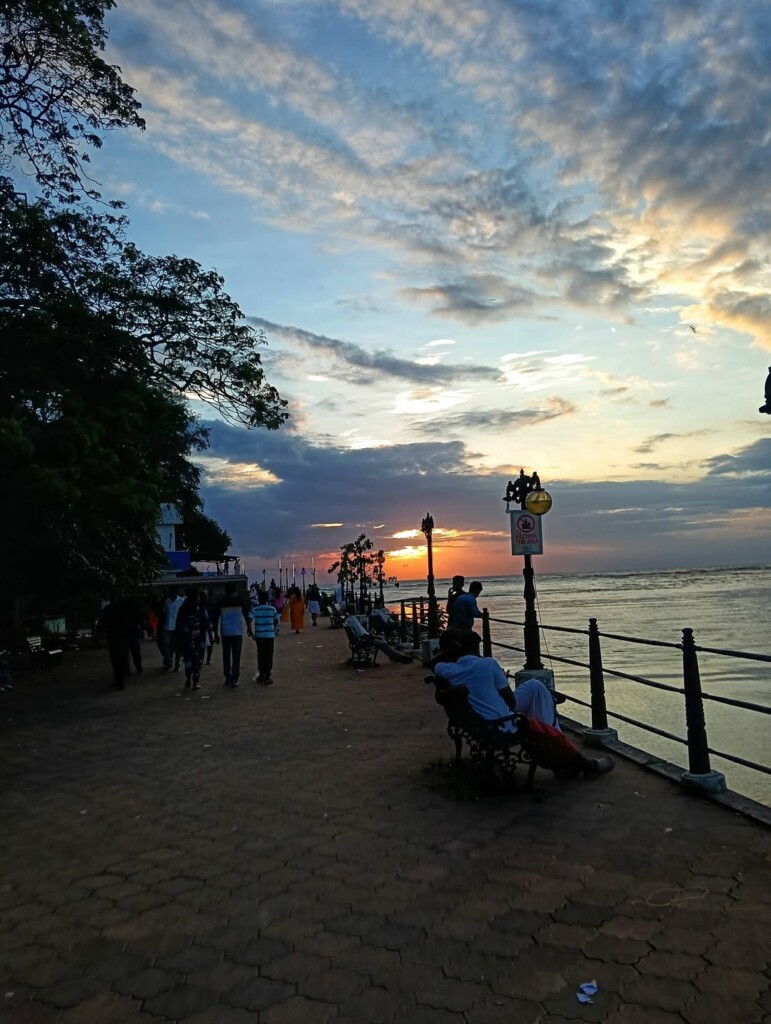
The coastline along the Arabian Sea offers peaceful beaches ideal for relaxation and photography.
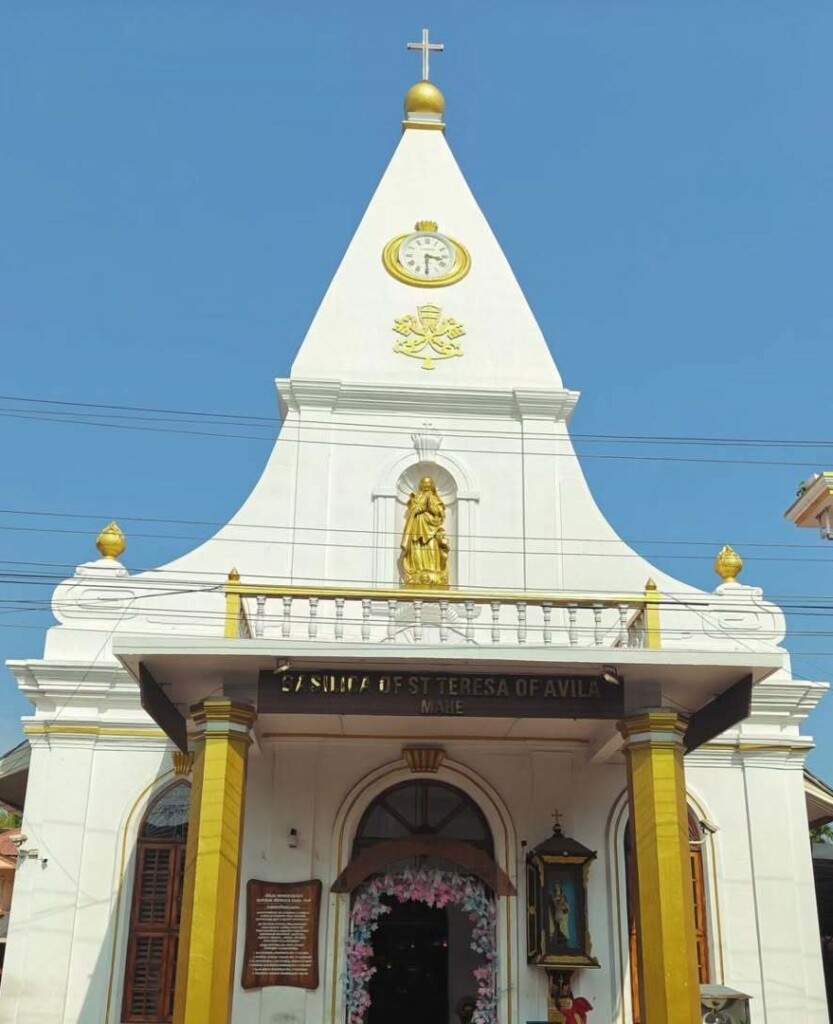
St. Theresa Shrine
This historic church attracts pilgrims from different parts of India and is one of Mahe’s most important religious sites.
Tagore Park
Located near the waterfront, this park provides scenic views and recreational opportunities for residents and tourists.
Colonial Buildings
Several structures dating back to the French colonial period still stand today, reflecting Mahe’s unique heritage.
Why Is Mahe Important Despite Its Small Size?
Size does not determine importance.
Mahe plays a unique role in India’s administrative and cultural landscape because:
- It preserves a distinct French colonial heritage.
- It demonstrates India’s administrative diversity.
- It has one of the country’s highest literacy rates.
- It serves as an important tourist destination.
- It symbolizes the integration of former colonial territories into modern India.
Its significance extends far beyond its geographical boundaries.
Comparison With Other Small Districts In India
While Mahe is the smallest district, several other districts are also relatively small.
Some of the smallest districts include:
- Mahe (Puducherry)
- Central Delhi (Delhi)
- Lakshadweep
- Yanam (Puducherry)
- New Delhi (Delhi)
However, Mahe remains comfortably at the top of the list with an area of less than 9 square kilometers.
Interesting Facts About Mahe
1. India’s Smallest District
Mahe is officially recognized as the smallest district in India by area.
2. Located Inside Kerala
Although part of Puducherry, it is surrounded by Kerala.
3. Former French Territory
Mahe was governed by France for more than two centuries.
4. High Literacy Rate
The district boasts one of India’s highest literacy rates.
5. Coastal Beauty
The district combines river views, beaches, and colonial architecture within a very compact area.
6. Unique Administrative Identity
Few places in the world have a similar arrangement where a district belongs to one administrative region while being geographically surrounded by another state.
Challenges Faced By Small Districts
Being small has certain advantages, but it also presents challenges.
Some issues faced by very small districts include:
- Limited land for expansion.
- High population density.
- Urban congestion.
- Dependence on neighboring regions for resources.
- Environmental conservation concerns.
However, Mahe has managed these challenges effectively through planned development and cooperation with surrounding areas.
Conclusion:
When asked, “Which one is the smallest district in India?” the correct answer is Mahe District in the Union Territory of Puducherry. Covering just 8.69 square kilometers, it holds the distinction of being the smallest district in the country by area.
Despite its tiny size, Mahe is rich in history, culture, literacy, natural beauty, and administrative significance. Its unique location within Kerala, combined with its French colonial heritage and connection to Puducherry, makes it one of India’s most fascinating districts.
Mahe proves that even the smallest places can have a remarkable story to tell. Whether viewed from a geographical, historical, cultural, or administrative perspective, this tiny district occupies a special place in India’s diverse landscape.
FAQs:
Q. Which is the smallest district in India?
A. The smallest district in India by area is Mahe District, which is part of the Union Territory of Puducherry. It covers an area of approximately 8.69 square kilometers.
Q. Where is Mahe District located?
A. Mahe is located on the western coast of India and is geographically surrounded by the state of Kerala. However, it is administratively governed by the Union Territory of Puducherry.
Q. Why is Mahe part of Puducherry and not Kerala?
A. Mahe was a former French colony. Along with Puducherry, Karaikal, and Yanam, it became part of the Union Territory of Puducherry after the French territories were integrated into India.
Q. What is the population of Mahe District?
A. According to the 2011 Census, Mahe had a population of approximately 41,000 to 42,000 people, making it one of the most densely populated districts in India.
Q. What is the official language spoken in Mahe?
A. The primary language spoken in Mahe is Malayalam, although English and other Indian languages are also understood by many residents.
Q. What is Mahe famous for?
A. Mahe is known for its French colonial heritage, scenic beaches, the Mahe River, St. Theresa Shrine, high literacy rate, and unique administrative status as a district of Puducherry located within Kerala.
Q. Is Mahe a state or a district?
A. Mahe is a district of the Union Territory of Puducherry. It is one of the four geographically separated regions that make up Puducherry.
Q. Which is the second-smallest district in India?
A. After Mahe, Central Delhi is often considered one of the smallest districts in India in terms of geographical area.
Q. What is the literacy rate of Mahe District?
A. Mahe has one of the highest literacy rates in India, exceeding 97%, reflecting the region’s strong emphasis on education.
Q. Can tourists visit Mahe?
A. Yes, Mahe is a popular tourist destination. Visitors come to enjoy its beaches, riverfront views, colonial architecture, religious sites, and peaceful coastal atmosphere.
Q. What are the major tourist attractions in Mahe?
Some popular attractions include Mahe Beach, Mahe River, St. Theresa Shrine, Tagore Park, and several buildings dating back to the French colonial period.
Q. How does Mahe contribute to the economy of Puducherry?
A. Mahe contributes through tourism, trade, local commerce, and agricultural activities. Its coastal location and historical significance also support economic development.
Q. What is the climate like in Mahe?
A. Mahe experiences a tropical climate with warm temperatures throughout the year, heavy monsoon rainfall, and mild winters, similar to the climate of Kerala.
Q. Are there any French influences still visible in Mahe?
A. Yes, Mahe still retains traces of French influence in its architecture, historical landmarks, street names, and cultural heritage.
Q. Why is Mahe important despite being so small?
A. Mahe is important because of its unique history, French colonial legacy, high literacy rate, cultural diversity, tourism potential, and special administrative status within India.
