
Socks for Cracked Heels: Benefits, Types & Tips
Last updated:

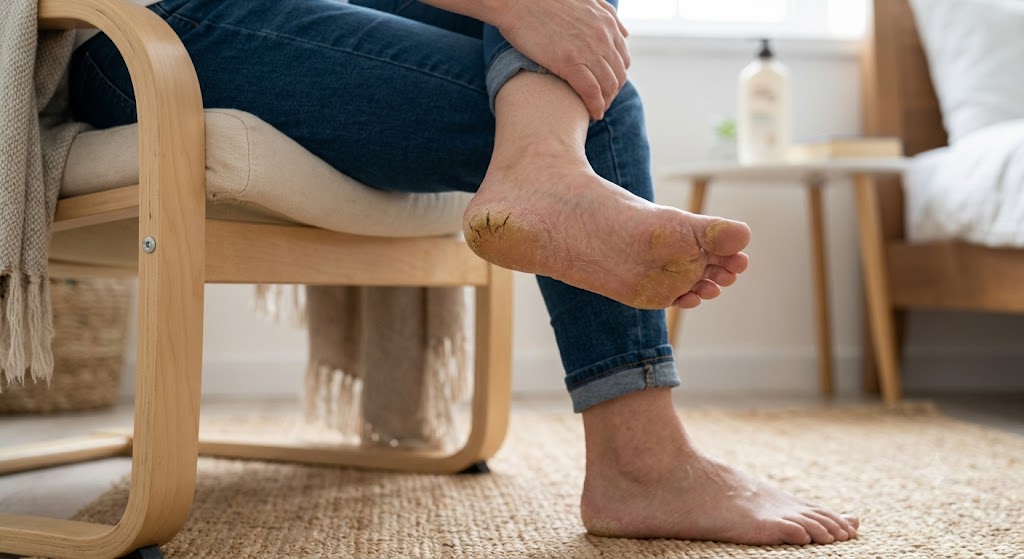
Cracked heels are a common foot concern that can affect people of all ages. One simple way to care for dry, cracked heels is by using socks for cracked heels. Specially designed heel socks help retain moisture, protect the skin, and support a consistent foot-care routine. Depending on the type, they may feature moisturizing gel linings, breathable fabrics, or designs that cover the heel while leaving the toes exposed.
In this guide, we will explore the benefits of socks for cracked heels, the different types available, how to use them effectively, and what to consider before buying a pair.
Types of Socks for Cracked Heels: Which Is Best?
Different heel socks serve different purposes. Understanding their features can help you make an informed choice.
Moisturizing Gel Socks
Gel socks usually contain a soft lining that sits against the heel. Some are infused with ingredients such as mineral oil or other skin-conditioning substances.
Cotton Socks
Cotton socks are a straightforward choice for covering moisturized feet. They are generally soft and widely available.
Silicone Heel Socks
Silicone heel protectors fit around the heel and create a cushioned barrier. Some are designed to be used with moisturizer.
Open-Toe Heel Socks
Open-toe designs cover the heel while leaving the front of the foot uncovered.
Moisturizing Socks for Overnight Use
These socks are designed for use during a resting period and may be made from cotton, a synthetic blend, or a gel-lined material.
How to Use Socks for Cracked Heels Effectively
Using heel socks correctly can help improve the results of your foot-care routine.
Step 1: Clean Your Feet Gently
Wash your feet with lukewarm water and a mild cleanser. Avoid using very hot water, which can worsen dryness.
Pat your feet dry with a clean towel, paying attention to the spaces between your toes.
Step 2: Apply a Suitable Foot Cream
Apply a moisturizer while your skin is slightly damp. Products containing urea, glycerin, or ceramides may help improve skin hydration.
For very dry heels, a thick cream or petroleum jelly can help reduce moisture loss. Avoid putting heavy moisturizer between the toes, where excess moisture may encourage fungal growth.
Do not apply products that sting or irritate open cracks unless a healthcare professional recommends them.
Step 3: Put on Clean Heel Socks
Wear a clean pair of cotton socks or a suitable moisturizing heel sock. Make sure the material is comfortable and does not create excessive pressure around your feet.
If you are using gel heel socks, follow the manufacturer’s recommended wear time.
Step 4: Maintain a Consistent Routine
Repeat your moisturizing routine regularly. Mild dryness may improve within several days, while more significant heel thickening can take longer to improve.
Results vary depending on the cause and severity of the cracks. Persistent or deep fissures may require professional treatment.
Step 5: Choose Supportive Footwear
Wear well-fitting shoes that support your heels and reduce friction. Avoid walking barefoot on hard surfaces if doing so worsens your symptoms.
Open-backed footwear can allow the heel’s fat pad to spread outward under pressure, contributing to cracking in some people. Supportive shoes may help reduce this mechanical stress.

How to Choose the Best Socks for Cracked Heels
Before purchasing heel socks, consider the following factors.
Material and Comfort
Choose a soft, comfortable material that does not irritate your skin. Cotton can be a practical choice for everyday moisturizing, while gel-lined options may provide additional cushioning.
If your feet sweat heavily, prioritize moisture management and change damp socks promptly.
Fit and Coverage
Socks should fit securely without squeezing your toes or restricting circulation. A loose pair may slip and rub, while an overly tight pair may create discomfort.
Moisturizing Features
Gel-lined socks may help retain moisture, but they are not essential for everyone. Ordinary cotton socks can also complement a moisturizer effectively.
If a product contains added fragrance or botanical ingredients, check whether these could irritate your skin.
Ease of Cleaning
Reusable socks should be easy to wash and dry. Follow the manufacturer’s instructions to maintain hygiene and preserve the material.
Avoid sharing socks or heel protectors, particularly when someone has a suspected fungal infection.
Skin Condition and Sensitivity
The right product depends on whether your heels are simply dry or have deep, open cracks.
People with diabetes, poor circulation, reduced sensation, or a history of foot ulcers should consult a healthcare professional before using products that exert pressure or trap moisture.
Common Mistakes to Avoid When Using Heel Socks
Although heel socks can be helpful, certain habits may reduce their effectiveness or worsen irritation.
- Relying on socks alone: Socks support moisturization but do not replace foot cream or treatment for underlying conditions.
- Using very hot water: Hot water can strip the skin of its natural oils.
- Scrubbing too aggressively: Forceful filing or cutting can cause injury, especially when the skin is already cracked.
- Wearing damp socks: Prolonged dampness can soften the skin and contribute to irritation.
- Ignoring painful cracks: Deep, bleeding, or infected fissures need medical assessment.
- Using unclean heel protectors: Reusable products should be cleaned according to their care instructions.
- Expecting instant results: Skin repair takes time, and persistent cracks may need more than home care.
Conclusion:
Socks for cracked heels can be a useful addition to a simple foot-care routine. By helping retain moisture, reducing friction, and protecting the heel area, they can support softer skin and improve everyday comfort.
With the right combination of moisturization, protection, and appropriate footwear, you can take meaningful steps toward healthier, smoother, and more comfortable heels.
FAQs:
A. Yes, they can help support treatment by reducing moisture loss, protecting the heel from friction, and keeping moisturizer in contact with the skin. However, socks work best as part of a consistent foot-care routine rather than as a standalone treatment.
A. Cotton socks are a practical option for use after applying moisturizer. Gel-lined heel socks may offer additional cushioning and moisture retention. The best choice depends on your skin condition, comfort preferences, and the product’s instructions.
A. Some cotton socks and products specifically designed for overnight use can be worn while sleeping. Follow the product instructions, keep your feet clean and dry, and avoid prolonged use of moisture-trapping products on broken or irritated skin without professional guidance.
A. Yes. Applying a suitable foot moisturizer before putting on clean socks can help reduce moisture loss and soften dry skin. Urea-based creams may be useful for thickened heel skin, while petroleum jelly can help seal in moisture.
A. Mild dryness may improve within several days of regular moisturizing. Deeper cracks or substantial thickening can take longer and may need medical treatment. Healing time depends on the severity of the fissures and the underlying cause.
A. Some silicone heel protectors are designed for regular use, but the recommended duration varies by product. Follow the label, keep the skin clean, and stop using them if irritation develops. Seek professional advice before using them on open wounds or infected skin.
A. Neither option is universally better. Cotton socks are simple and breathable, while gel socks may provide extra cushioning and help retain moisture. Choose according to your comfort, skin sensitivity, and the product’s intended use.

Amit Bose is a BA student studying journalism. He follows online news closely and runs a news page on Facebook. At FastNewsFeed, he covers news and current events, and also writes on finance, beauty and lifestyle topics using published sources.