
5 Home Remedies for Dry Face: Natural Ways to Soothe and Moisturize Dry Skin
Last updated:

Dry facial skin can feel tight, rough, flaky, or uncomfortable. It may become more noticeable during cold or dry weather, after using harsh skincare products, or when the skin’s natural moisture barrier is weakened. Fortunately, there are several simple home remedies for dry face that can help soothe dryness and support healthier-looking skin.
While natural remedies can be useful for mild dryness, they should be gentle and used carefully. Not every ingredient that is popular online is suitable for facial skin. Avoid harsh ingredients such as lemon juice, baking soda, and undiluted essential oils, as they can cause irritation.
Here are seven simple remedies you can try at home.
What Causes a Dry Face?
Before trying a remedy, it helps to understand why your skin may be dry.
Common causes include:
- Cold or dry weather
- Hot showers and frequent face washing
- Harsh soaps or cleansers
- Over-exfoliation
- Low humidity
- Certain skincare ingredients
- Aging-related changes in the skin
- Conditions such as eczema or contact dermatitis
Home Remedies for Dry Face:
Dry skin occurs when the skin does not retain enough moisture. When the skin barrier becomes compromised, moisture can escape more easily, leaving the face feeling dry and tight. See below some home remedies for dry face…
1. Apply Aloe Vera Gel:
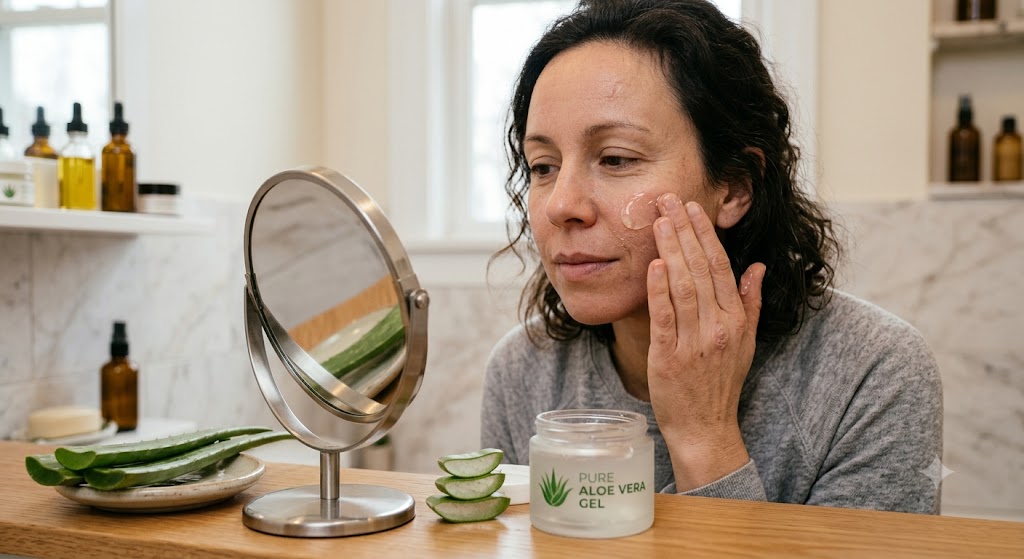
Aloe vera is a popular home remedy for dry and irritated skin because of its soothing and moisturizing properties. A simple, fragrance-free aloe vera gel may provide a cooling, comfortable feeling when applied to dry skin.
How to use it:
- Wash your face with a gentle cleanser.
- Pat your skin dry without rubbing.
- Apply a thin layer of plain, fragrance-free aloe vera gel.
- Allow it to absorb.
- Follow with a moisturizer if your skin still feels dry.
Before applying aloe vera to your entire face, test it on a small area of skin. Some people can develop irritation or an allergic reaction to aloe products.
2. Use Honey as a Gentle Moisturizing Mask:

Honey is a humectant, meaning it can help attract and retain moisture. It is also commonly used in skincare because of its soothing properties.
For people with mildly dry skin, a simple honey mask may be worth trying.
How to use it:
- Apply a small amount of plain honey to clean skin.
- Leave it on for around 10–15 minutes.
- Rinse thoroughly with lukewarm water.
- Apply a gentle moisturizer afterward.
Avoid this remedy if you are allergic to honey or bee products. If you have sensitive skin, patch-test first.
3. Try an Oatmeal Treatment

Oatmeal can be a gentle option for dry or irritated skin. Colloidal oatmeal is particularly well known for helping soothe dry and irritated skin and supporting the skin barrier.
You can make a simple oatmeal treatment at home by finely grinding plain oats into a powder.
How to use it:
- Grind plain, unflavored oats into a fine powder.
- Mix a small amount with lukewarm water to create a soft paste.
- Apply it gently to your face.
- Leave it on for about 10 minutes.
- Rinse without scrubbing.
- Follow with a moisturizer.
Avoid rubbing the oatmeal mixture into your face because physical scrubbing can worsen irritated or very dry skin.
4. Apply Coconut Oil Carefully
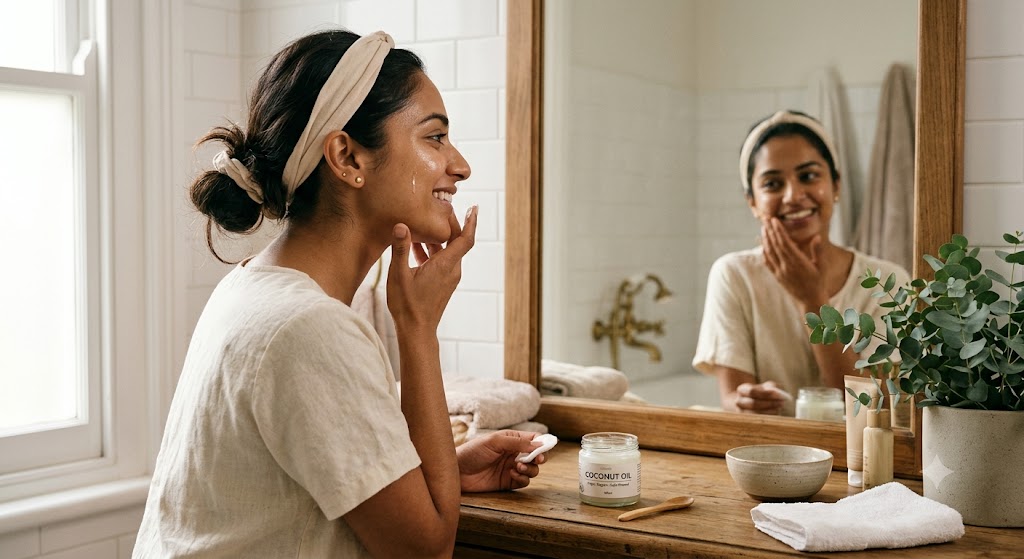
Coconut oil can act as an occlusive ingredient, helping reduce moisture loss from the skin. However, it may not be suitable for everyone, particularly people who are prone to clogged pores or acne.
If your skin is very dry and you do not typically break out from oils, you can try a small amount on a limited area.
How to use it:
- Clean your face gently.
- Apply a very small amount of coconut oil to dry areas.
- Leave it on for several hours or overnight if your skin tolerates it.
- Wash the next morning gently.
Stop using it if you notice clogged pores, pimples, redness, or irritation.
5. Use Petroleum Jelly to Lock in Moisture
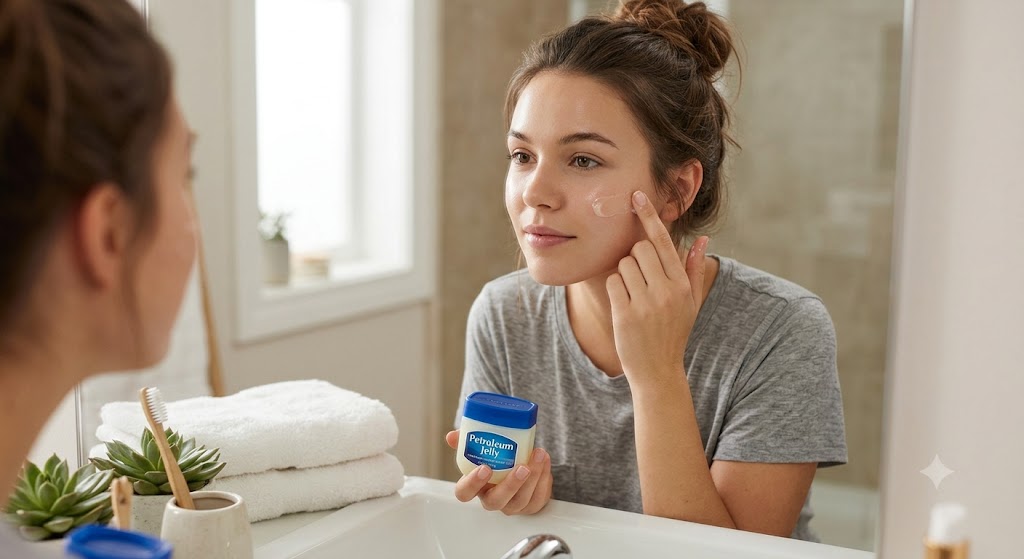
Petroleum jelly is one of the simplest ways to reduce moisture loss from dry skin. Rather than adding water to the skin, it forms an occlusive layer that helps keep existing moisture from escaping.
This can be particularly useful for extremely dry areas such as the corners of the nose or dry patches on the cheeks.
How to use it:
- Clean your face gently.
- Apply a fragrance-free moisturizer.
- Take a very small amount of petroleum jelly.
- Apply a thin layer over particularly dry areas.
Using too much can feel greasy, so a thin layer is usually sufficient.
What Should You Avoid for Dry Facial Skin?
When your face is dry, adding more products is not always the answer. Some popular DIY remedies can actually make dryness worse.
Avoid applying:
- Lemon juice
- Baking soda
- Undiluted apple cider vinegar
- Undiluted essential oils
- Rough sugar or salt scrubs
- Alcohol-heavy products
- Very hot water
These ingredients can irritate the skin or interfere with the skin barrier.
You should also avoid excessive exfoliation. Dry, flaky skin can be tempting to scrub away, but aggressive exfoliation may increase irritation and make the skin feel even drier.
Tips to Prevent a Dry Face
Along with trying home remedies, small daily changes can help prevent recurring dryness.
Use Lukewarm Water
Hot water can remove natural oils from the skin. Use lukewarm water instead.
Choose a Gentle Cleanser
A fragrance-free, gentle cleanser is generally preferable to harsh soap for dry facial skin.
Moisturize Regularly
Apply moisturizer after washing your face and whenever your skin feels dry.
Protect Your Skin From the Weather
Cold temperatures, wind, and dry air can contribute to skin dryness. Protect your face when spending extended periods outdoors.
Don’t Over-Exfoliate
Exfoliating too frequently can damage the skin barrier. If your face is already dry, flaky, or irritated, focus on moisturizing rather than aggressive exfoliation.
Drink Enough Fluids
Adequate fluid intake is important for overall health. However, simply drinking more water is not a substitute for applying moisturizer when the skin barrier is dry.
Final Thoughts:
There are several simple home remedies for dry face, but the most important goal is to protect and restore the skin’s moisture barrier. Gentle cleansing, regular moisturizing, and avoiding irritating ingredients can make a significant difference for mild dryness.
FAQs:
A. There isn’t one remedy that works for everyone. For most people, gentle cleansing followed by regular moisturizing is a good starting point. Aloe vera, oatmeal, and a thin layer of petroleum jelly may also help with mild dryness when tolerated.
A. You can try gentle options such as aloe vera or oatmeal, but a properly formulated moisturizer is often more reliable than DIY ingredients. Look for products containing humectants and skin-barrier-supporting ingredients such as glycerin and ceramides.
A. Yes. Petroleum jelly can help reduce moisture loss from dry skin. Apply a thin layer over moisturizer, particularly on very dry areas. If you are prone to acne, monitor your skin for clogged pores or breakouts.
A. Moisturize at least after washing your face and whenever your skin feels dry or tight. Applying moisturizer while the skin is slightly damp can help retain moisture.
A. Persistent dryness can have several causes, including harsh cleansers, over-exfoliation, dry environmental conditions, unsuitable skincare products, or an underlying skin condition. If your dryness is persistent, severe, itchy, painful, or accompanied by redness or a rash, consider consulting a dermatologist.

Amit Bose is a BA student studying journalism. He follows online news closely and runs a news page on Facebook. At FastNewsFeed, he covers news and current events, and also writes on finance, beauty and lifestyle topics using published sources.