
10 Effective Home Remedies for White Hair Naturally
Last updated:

White hair is a natural part of aging, but premature white or grey hair can sometimes appear at a younger age. Genetics, aging, nutritional deficiencies, and certain medical conditions can influence when your hair starts losing its natural color. While white hair cannot always be reversed naturally, several home remedies may help nourish your scalp, improve hair health, and reduce damage.
In this article, we explore 10 home remedies for white hair, explain their potential benefits, and share practical tips for maintaining healthy hair naturally.
What Causes White Hair at an Early Age?
Hair gets its natural color from a pigment called melanin, which is produced by specialized cells known as melanocytes in the hair follicles. As these cells become less active or stop producing sufficient melanin, new hair grows grey, silver, or white.
Common causes of white hair include:
- Genetics: Family history is one of the most important factors influencing when hair turns grey.
- Aging: Melanin production naturally decreases with age.
- Nutritional deficiencies: Low levels of vitamin B12, iron, copper, or other essential nutrients may contribute to premature greying in some people.
- Thyroid disorders: Certain thyroid conditions can affect hair health and pigmentation.
- Oxidative stress: Oxidative damage is thought to play a role in the aging of hair follicles.
- Smoking: Smoking is associated with premature hair greying.
- Stress: Chronic stress may influence hair pigmentation, although its effects vary and are not fully understood.
Understanding the underlying cause is important because home remedies alone may not address the factors responsible for white hair.
10 Effective Home Remedies for White Hair
Home remedies for white hair can be useful for maintaining soft, manageable, and healthy-looking hair, but their ability to restore natural pigmentation has not been established. Amla, coconut oil, curry leaves, black sesame seeds, and bhringraj are popular traditional ingredients, while henna offers a cosmetic way to cover white strands.
1. Amla for White Hair
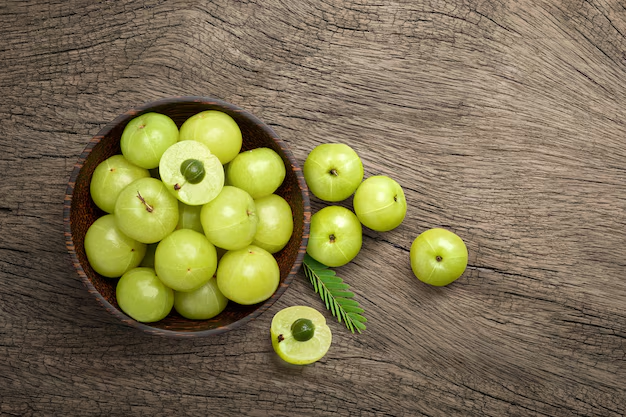
Indian gooseberry, commonly known as amla, is widely used in traditional Indian hair care. It contains vitamin C and other antioxidant compounds that support general health.
How to use it:
You can eat fresh amla, unsweetened amla powder, or amla as part of your regular diet. For external use, choose a reputable amla hair product or mix amla powder with water according to the product instructions.
Apply a topical preparation to a small area first to check for irritation.
2. Coconut Oil for Hair Care
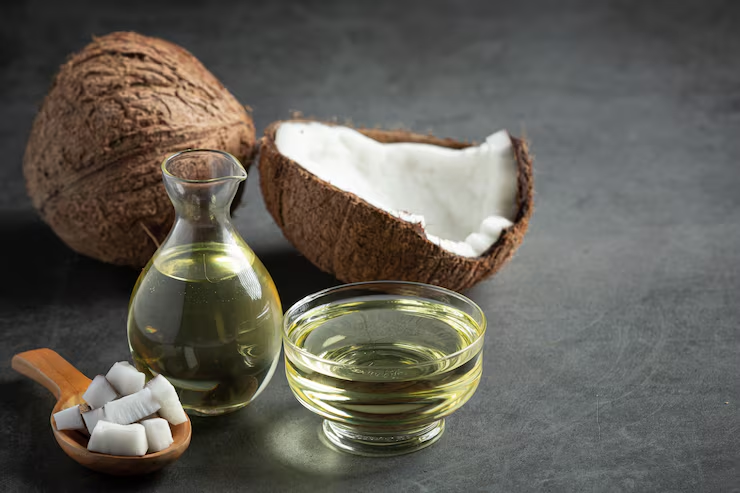
Coconut oil is a popular natural ingredient for improving hair softness and reducing protein loss from hair strands. Although coconut oil does not restore hair pigment, it may make grey or white hair appear smoother, shinier, and easier to manage.
How to use it:
- Take a small amount of coconut oil.
- Warm it gently between your palms.
- Apply it to the lengths of your hair and, if suitable for your scalp, massage a small amount into the scalp.
- Leave it on for 30–60 minutes.
- Wash with a gentle shampoo.
Use this remedy once or twice a week, adjusting the frequency to your hair type.
3. Curry Leaves for White Hair
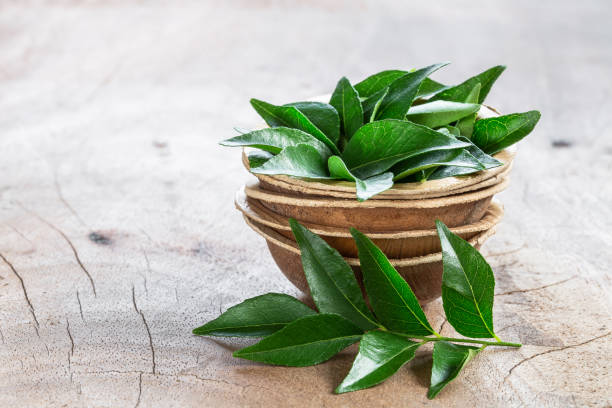
Curry leaves are traditionally used in Indian hair-care routines and contain various plant compounds. They are also a nutritious ingredient when consumed as part of a balanced diet.
However, there is no strong clinical evidence that curry leaves can prevent or reverse white hair.
How to use curry leaves:
- Take a small handful of fresh curry leaves.
- Wash and dry them thoroughly.
- Add them to a small quantity of coconut oil.
- Warm the mixture gently without overheating it.
- Allow it to cool completely and strain it.
- Apply a small amount to your hair and scalp if tolerated.
Wash your hair after 30–60 minutes.
Avoid applying hot oil, and discontinue use if irritation develops.
4. Black Sesame Seeds
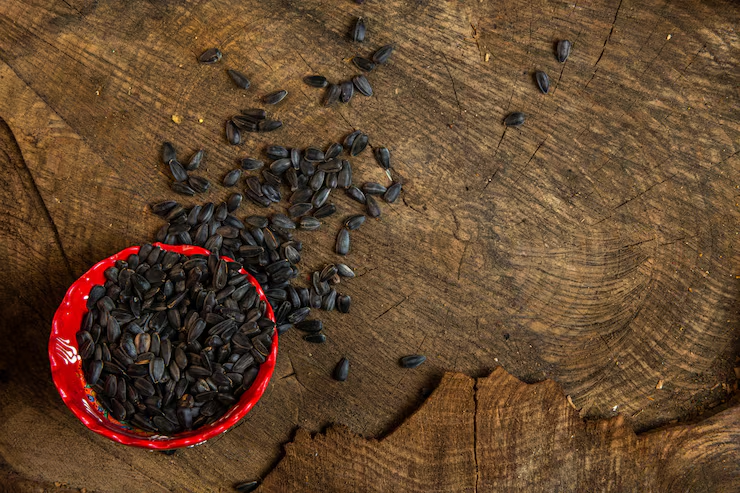
Black sesame seeds are used in traditional diets and provide healthy fats, minerals, and other nutrients. They can contribute to a nutritious eating pattern that supports normal hair growth.
Some traditional remedies claim that black sesame seeds help prevent premature greying, but reliable human studies have not established that they restore natural hair color.
How to use them:
- Add one or two teaspoons of black sesame seeds to meals.
- Sprinkle them over salads, vegetables, or porridge.
- Include them in homemade chutneys or other dishes.
Consume them as part of a varied diet rather than relying on them as a treatment for white hair.
5. Onion Juice for Hair and Scalp Care:
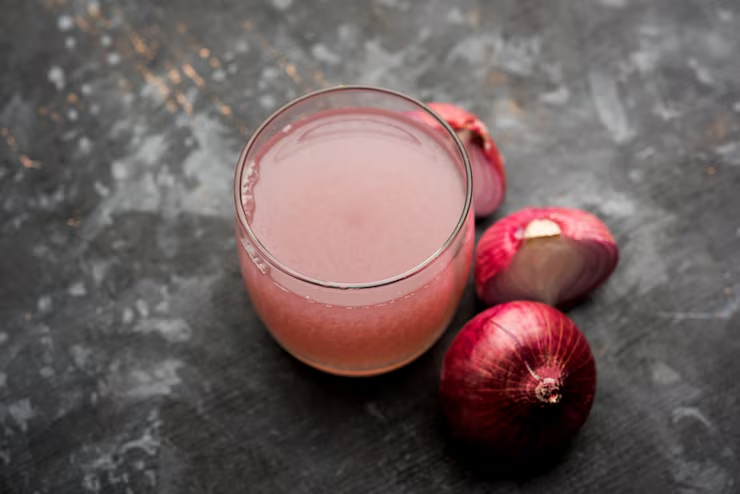
Onion juice is often discussed in home hair-care remedies because onions contain sulfur-containing compounds.
However, evidence supporting onion juice for restoring hair color is lacking. Research involving onion juice for certain types of hair loss does not establish that it can reverse white hair.
How to use it cautiously:
If you choose to try onion juice, apply a small amount to a limited area of skin first. If there is no irritation, you may use a diluted preparation briefly before washing it off.
Avoid using onion juice on broken, irritated, or sensitive skin. It can cause burning, redness, and allergic reactions, and it should never enter your eyes.
For many people, a gentle shampoo and conditioner are safer options for routine hair care.
6. Bhringraj for Traditional Hair Care:
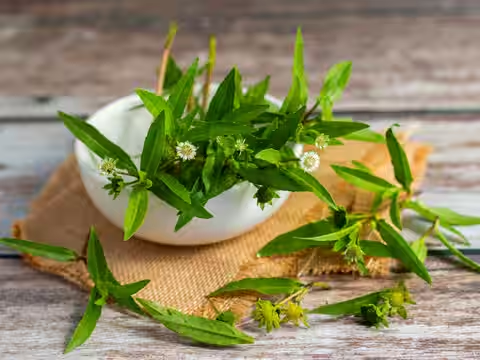
Bhringraj is an herb used in traditional Ayurvedic hair-care preparations. It is commonly included in hair oils and scalp products.
Some traditional practices associate bhringraj with maintaining dark, healthy-looking hair. However, high-quality clinical evidence that bhringraj reverses white hair is limited.
How to use it:
Choose a commercially prepared bhringraj hair oil from a reputable manufacturer and follow the label instructions. Perform a patch test before regular use.
Bhringraj oil may help condition hair, depending on its formulation, but it should not be considered a proven treatment for loss of pigmentation.
7. Henna for Naturally Coloring White Hair:
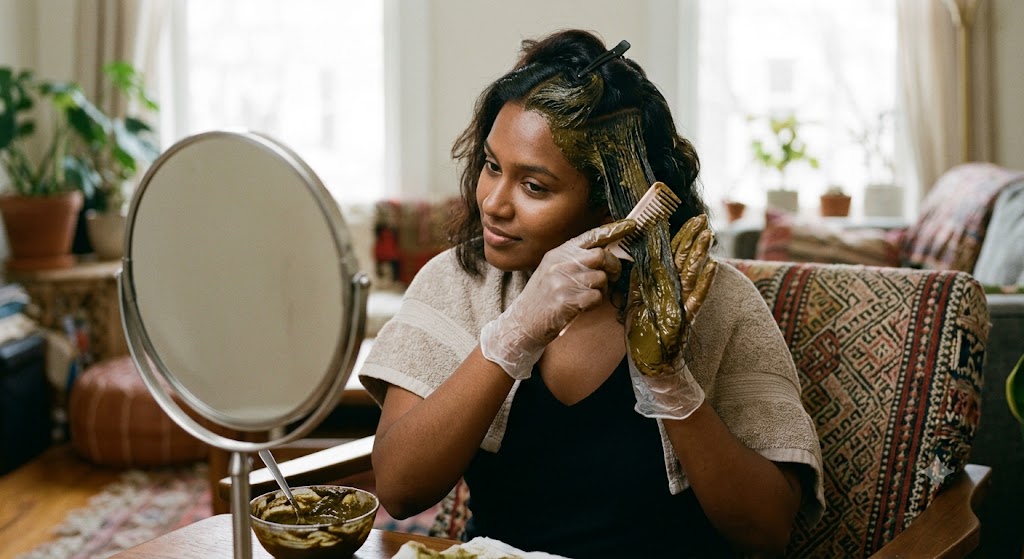
Henna is one of the more practical natural options for changing the appearance of white or grey hair. Unlike oils and dietary remedies, henna can deposit color onto the hair shaft.
Pure henna generally produces orange, copper, or reddish tones. The final shade depends on the product, application time, and original hair color.
How to use henna:
- Select a reputable product containing clearly identified ingredients.
- Mix and apply it according to the package instructions.
- Perform the recommended allergy test before use.
- Rinse thoroughly after the specified time.
Henna colors hair rather than restoring its natural melanin production. Be cautious with products marketed as black henna, which may contain para-phenylenediamine (PPD), a chemical that can cause serious allergic reactions.
8. Eat a Balanced Diet Rich in Vitamins and Minerals

Nutrition is an important part of maintaining healthy hair. Certain deficiencies may contribute to premature greying, although not all white hair is caused by a nutritional problem.
Include a variety of nutrient-rich foods in your daily meals.
- Vitamin B12: Milk, eggs, fish, meat, and fortified foods.
- Iron: Lentils, beans, leafy greens, meat, and iron-fortified cereals.
- Copper: Nuts, seeds, legumes, and whole grains.
- Protein: Eggs, dairy products, soy, lentils, beans, fish, and lean meat.
- Folate: Leafy green vegetables, beans, and citrus fruits.
9. Manage Stress and Maintain Healthy Sleep Habits

Stress management cannot guarantee that your hair will retain its natural color, but it can support overall health and well-being.
Research suggests that stress may influence hair pigmentation in some circumstances, although the relationship is complex and more evidence is needed.
10. Protect Your Hair from Environmental Damage

Sun exposure, pollution, excessive heat styling, and harsh chemical treatments can contribute to hair damage. While protecting your hair will not restore its pigment, it can help maintain a healthy appearance.
How to Prevent Premature White Hair Naturally
Although premature greying cannot always be prevented, the following habits may support general hair health:
- Eat a balanced diet with adequate protein, vitamins, and minerals.
- Avoid smoking.
- Get sufficient sleep and manage ongoing stress.
- Avoid unnecessary supplements and high-dose vitamin treatments.
- Protect your hair from excessive heat and chemical damage.
- Seek medical advice if white hair appears unusually early or develops rapidly.
If you notice sudden or unusually rapid greying, or if it occurs alongside hair loss, fatigue, skin changes, or other symptoms, consult a healthcare professional. They can assess whether testing for nutritional deficiencies or thyroid problems is appropriate.
Conclusion:
The most effective approach is to maintain a balanced diet, protect your hair from damage, avoid smoking, and investigate possible nutritional or medical causes when premature greying is unexpected. Remember that white hair is a normal part of life for many people. Rather than relying on unproven remedies or expensive supplements, focus on evidence-informed hair care and seek professional advice when needed.
FAQs:
A. There is no scientifically proven home remedy that reliably reverses white hair. A balanced diet, gentle hair care, and addressing any confirmed nutritional deficiencies can support hair health. Amla and coconut oil are popular traditional options, but neither has been proven to restore natural hair pigmentation.
A. There is insufficient clinical evidence that amla can turn white hair black again. Amla contains vitamin C and other beneficial plant compounds, but it has not been established as a treatment that restores melanin production.
A. Coconut oil can help condition hair and reduce protein loss from hair strands. However, there is no strong scientific evidence that it prevents premature greying or restores natural hair color.
A. You cannot reliably eliminate existing white hair with natural remedies. However, eating a balanced diet, avoiding smoking, managing stress, and treating any confirmed nutritional deficiencies may support overall hair health. Results depend on the underlying cause of greying.
A. Vitamin B12 deficiency has been associated with premature greying. Other nutritional problems, including certain mineral deficiencies, may also contribute in some cases. However, genetics and aging are common causes, and white hair alone does not prove that a deficiency exists.
A. Occasionally, hair pigmentation may change when an underlying reversible factor is addressed, but this is not predictable. Genetic and age-related white hair generally does not return to its original color naturally.
A. Curry leaves are traditionally used in hair oils and cooking, but scientific evidence that they prevent or reverse white hair is insufficient. They may be included in a regular hair-care routine if they do not irritate your skin.
A. The timing varies considerably depending on genetics and individual factors. Many people notice their first grey hairs in their 30s or 40s, while others experience greying earlier or later. White hair appearing at a young age may warrant evaluation if it is accompanied by other symptoms.
A. Do not take supplements solely to prevent greying without a clear reason. A healthcare professional can help determine whether you have a deficiency and recommend appropriate treatment. Excessive supplementation can be harmful.
A. Pure henna is commonly used to color hair, but individual sensitivities are possible. Follow product instructions and perform the recommended allergy test. Avoid poorly labeled products and be particularly cautious with black henna, which may contain PPD.

Amit Bose is a BA student studying journalism. He follows online news closely and runs a news page on Facebook. At FastNewsFeed, he covers news and current events, and also writes on finance, beauty and lifestyle topics using published sources.