
How to Get Pink Lips Naturally at Home: 10 Easy Remedies
Last updated:
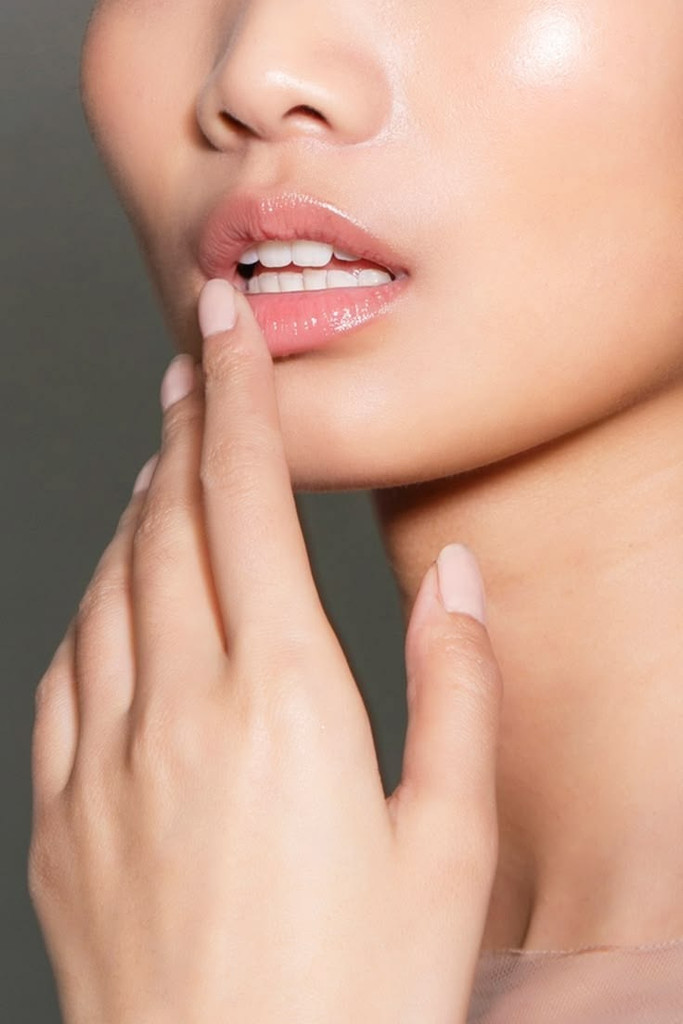
Soft, healthy-looking lips can make your face look fresh and naturally radiant. However, lips can become dry, dull, or darker over time due to sun exposure, dehydration, frequent lip licking, smoking, irritation from cosmetics, or simply genetics. If you want to improve the appearance of your lips naturally, a consistent and gentle lip-care routine can help.
10 Easy Remedies for Pink Lips Naturally at Home:
You don’t need expensive treatments or complicated products. Many simple home remedies can help moisturize your lips, remove loose dead skin, and protect them from environmental damage. The key is to avoid harsh treatments and give your lips time to recover. Here are 10 easy ways to care for your lips naturally at home.
1. Keep Your Lips Well Hydrated:
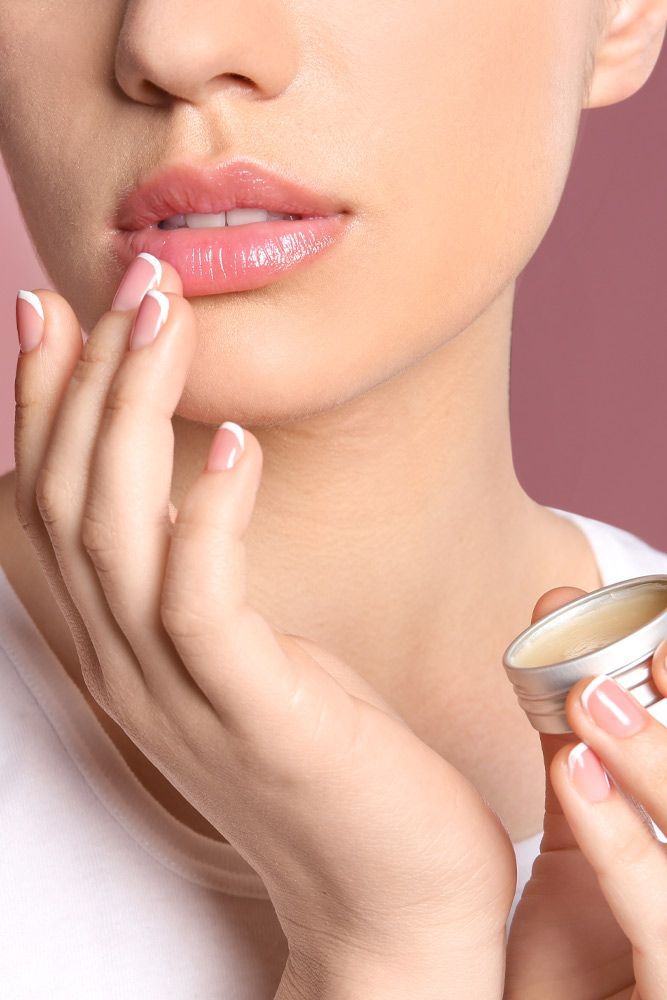
One of the simplest ways to maintain healthy-looking lips is to stay hydrated. When your body doesn’t get enough fluids, your lips may become dry, flaky, and dull.
Make water a regular part of your daily routine. Instead of waiting until you’re very thirsty, drink water throughout the day. Fruits and vegetables with high water content can also contribute to your overall fluid intake.
You can also apply a simple, fragrance-free lip balm or a thin layer of petroleum jelly to help reduce moisture loss.
Remember that hydration won’t instantly change your natural lip color. Its main benefit is helping your lips remain smooth, supple, and healthy-looking.
2. Apply Aloe Vera Gel:
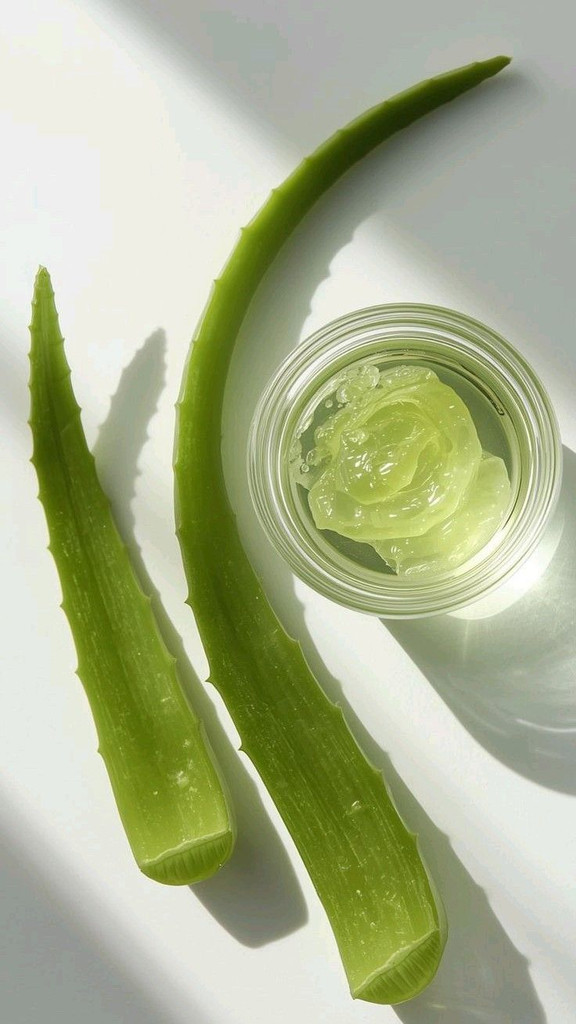
Aloe vera is widely used in skincare because of its soothing and moisturizing properties. A small amount of plain aloe vera gel can be applied to the lips when they feel dry or irritated.
For best results, choose a simple product without added fragrance, alcohol, or unnecessary ingredients. If you’re using fresh aloe vera, make sure it is properly prepared and that the yellow latex beneath the leaf skin has been removed.
Apply a thin layer and leave it on for several minutes or use it as an overnight moisturizing treatment if your skin tolerates it.
Aloe vera may help improve the appearance of dry, rough lips, but it should not be considered a proven treatment for permanently changing lip pigmentation.
3. Try a Gentle Honey Treatment:
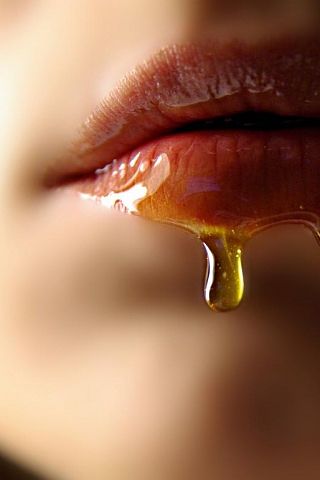
Honey is a natural humectant, meaning it can help attract and retain moisture. Applying a small amount of plain honey to your lips may leave them feeling softer and more moisturized.
Simply apply a thin layer of honey to clean lips and leave it for around 10 to 15 minutes before gently rinsing it away.
Avoid this remedy if you are allergic to honey or bee-related products. Also, don’t use it as a substitute for proper lip protection during the day.
For naturally healthy-looking lips, moisture is more important than trying to force a particular color change.
4. Exfoliate Your Lips Gently:
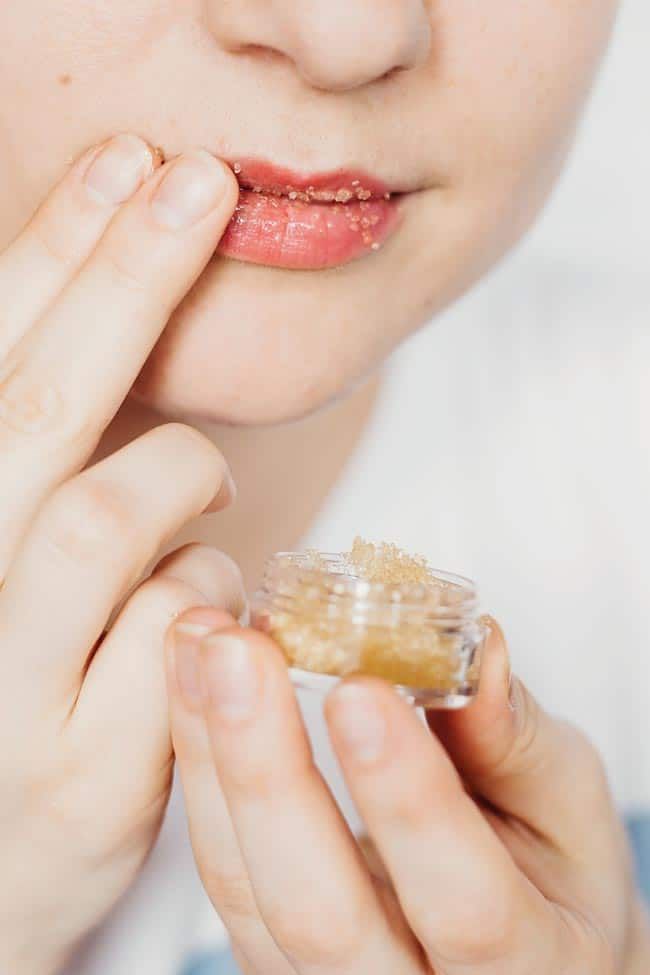
Dead, flaky skin can make lips look rough and dull. Gentle exfoliation can help remove loose surface flakes and leave your lips feeling smoother.
You can make a simple scrub by mixing a small amount of finely ground sugar with a moisturizing ingredient such as petroleum jelly. Massage it very gently over your lips for a few seconds, then rinse.
However, less is more. Exfoliating too frequently or rubbing aggressively can cause tiny injuries, dryness, and irritation, which may make discoloration worse.
Once a week is generally plenty for people who tolerate exfoliation well. If your lips are cracked, bleeding, sore, or irritated, skip exfoliation until they have healed.
5. Use Beetroot for a Temporary Rosy Tint:
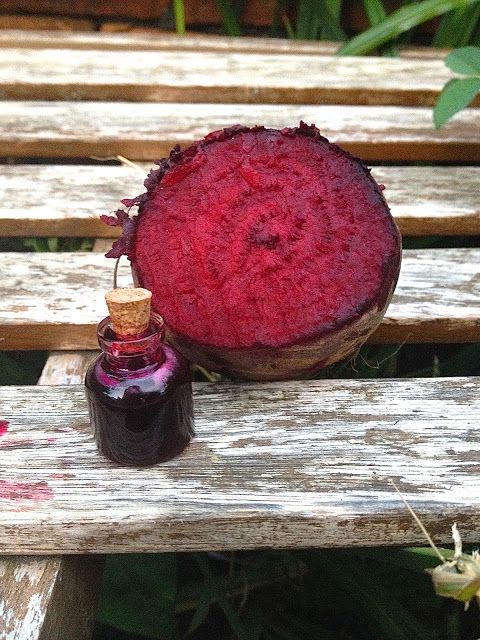
Beetroot is often used in DIY beauty routines because its natural pigments can temporarily add a reddish or pinkish tint to the lips.
You can dab a very small amount of beetroot juice onto your lips and allow it to dry. The resulting color is temporary and will gradually fade.
It’s important to understand that beetroot does not permanently turn pigmented lips pink naturally. Its main benefit is cosmetic—a temporary stain or tint.
If you have sensitive skin, test a small amount first and stop using it if you experience burning, itching, or redness.
6. Protect Your Lips From the Sun:
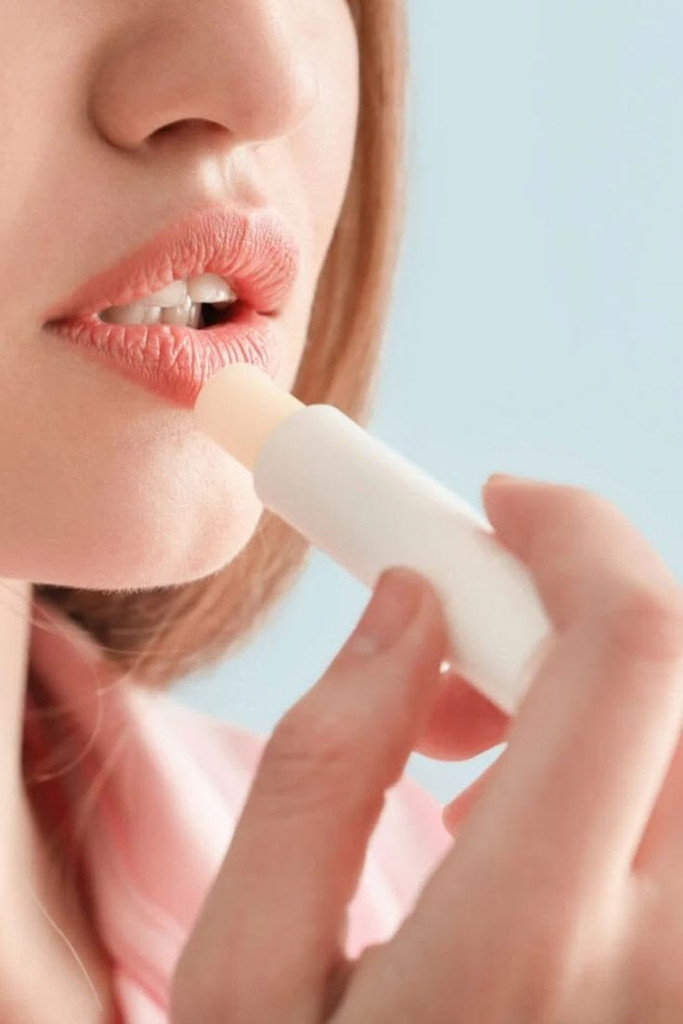
Sun protection is one of the most important and often overlooked parts of lip care.
Lips are exposed to ultraviolet radiation just like other exposed areas of your skin. Repeated sun exposure can contribute to dryness, premature skin damage, and changes in pigmentation.
Use a lip balm with broad-spectrum SPF during the day, particularly when you’re spending time outdoors. Reapply it regularly, especially after eating or drinking.
Wearing a hat and seeking shade can provide additional protection.
If your goal is to maintain naturally healthy-looking lips, preventing further sun damage is much more useful than relying only on DIY remedies.
7. Stop Licking or Biting Your Lips:
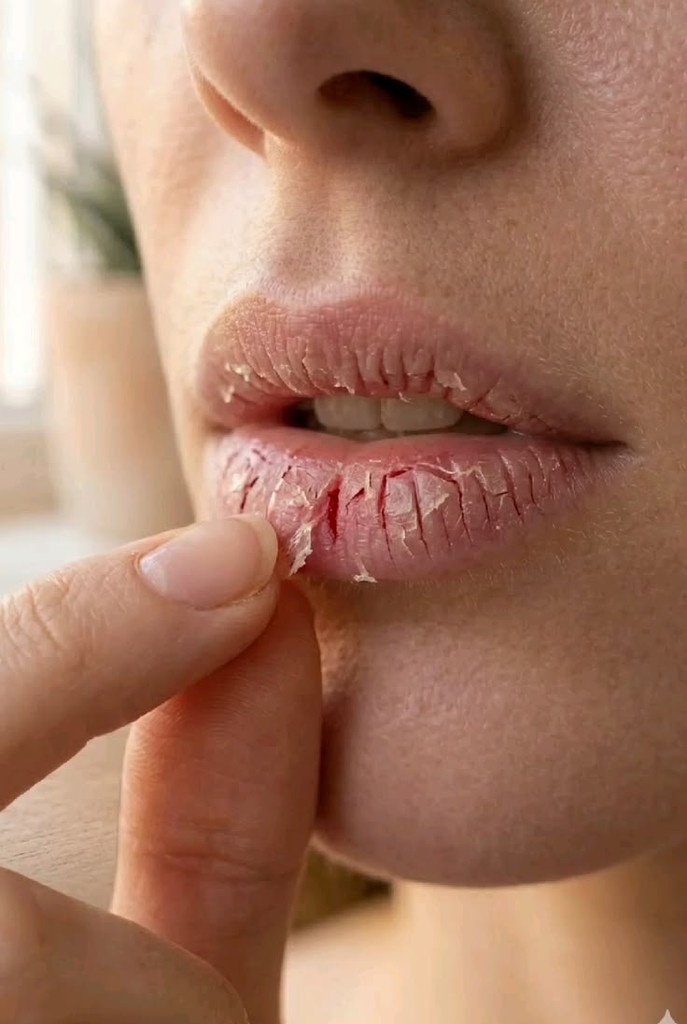
Frequent lip licking may feel soothing when your lips are dry, but it can actually make dryness worse. Saliva evaporates quickly and can contribute to irritation.
Similarly, biting or peeling flaky skin can damage the delicate surface of the lips and prolong healing.
Instead of licking your lips, apply a moisturizing lip balm whenever they feel dry. If you have a habit of picking at peeling skin, keeping your lips moisturized can make them less tempting to pick.
Small daily habits can have a surprisingly large effect on the appearance and comfort of your lips.
8. Choose Lip Products Carefully:
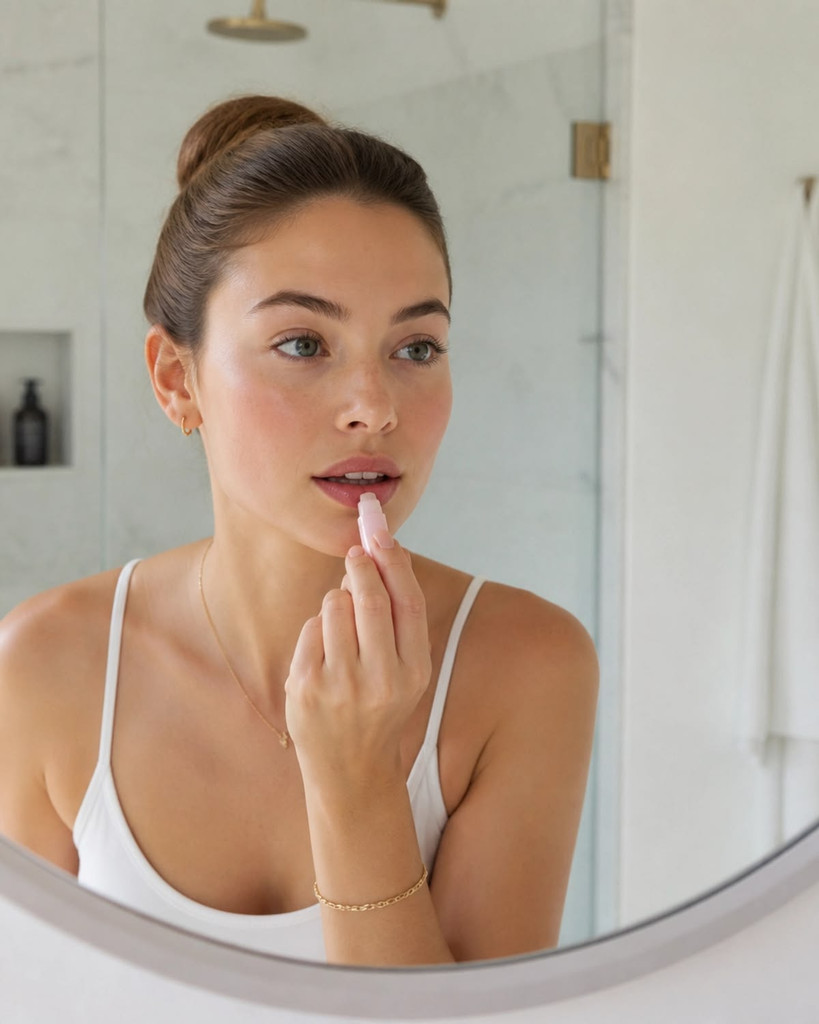
Some lipsticks, lip liners, glosses, flavored balms, and other cosmetics can irritate sensitive lips. Fragrances, flavors, and certain cosmetic ingredients may cause dryness or irritation in some people.
If your lips frequently become dry, itchy, burning, or discolored after using a particular product, stop using it and see whether your symptoms improve.
Look for gentle, moisturizing products and avoid repeatedly applying products that cause irritation.
Removing makeup before bed is another useful habit. Clean your lips gently rather than scrubbing them aggressively.
Healthy-looking lips are easier to maintain when the products touching them aren’t causing repeated irritation.
9. Use Coconut Oil or Another Simple Moisturizer:
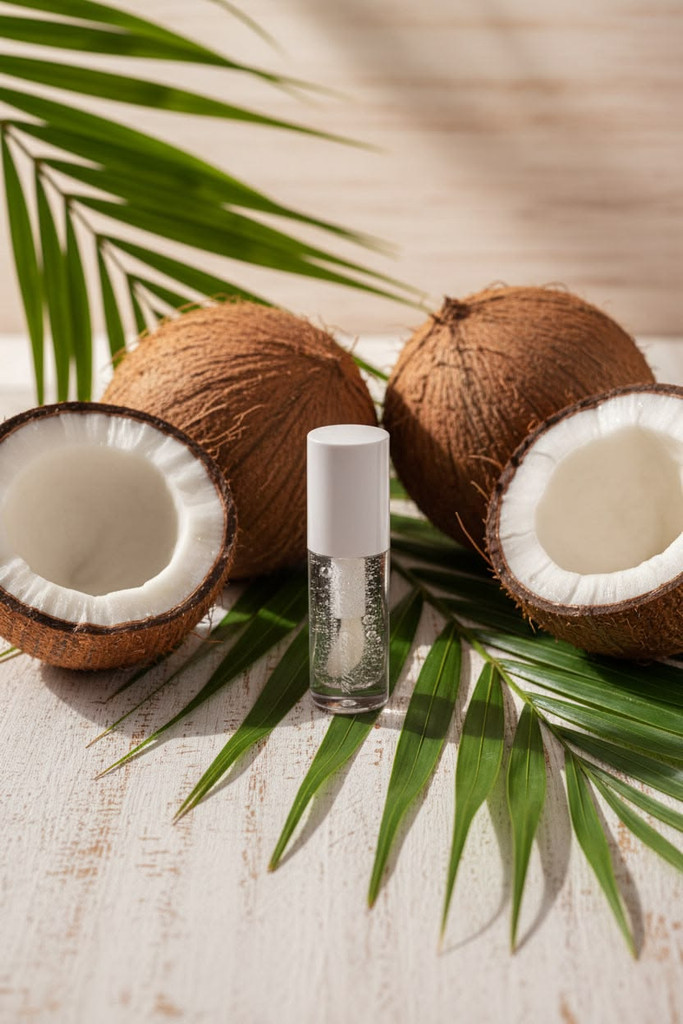
Coconut oil is commonly used as a home moisturizer and can help soften dry lips. Apply a small amount to clean lips, especially before bedtime.
Other simple occlusive moisturizers can also help reduce moisture loss. Petroleum jelly, for example, creates a protective barrier over the lips and can be particularly useful when they are very dry.
However, moisturizers primarily improve softness and hydration. They should not be expected to permanently change your natural lip color.
If a product irritates, discontinue it. Natural doesn’t automatically mean suitable for every person or every skin type.
10. Maintain a Healthy Daily Routine:
Your overall lifestyle can also influence how healthy your lips look.
Try to eat a varied, balanced diet containing fruits, vegetables, protein, whole grains, and healthy fats. Get adequate sleep and avoid smoking, which can contribute to changes in lip appearance and overall skin health.
If your lips suddenly become significantly darker, develop persistent patches, or change despite good care, don’t assume that a home remedy is the solution. Persistent or unexplained changes should be discussed with a dermatologist or other qualified healthcare professional.
What to Avoid When Trying to Get Pink Lips
The internet is full of DIY remedies that promise quick results, but some can irritate or damage your lips.
Avoid applying harsh ingredients such as lemon juice, baking soda, undiluted essential oils, or strong acids directly to your lips. These substances can cause irritation, dryness, or sensitivity.
You should also avoid aggressive scrubbing. If your lips hurt after exfoliating, you’ve probably gone too far.
Another common mistake is expecting a home remedy to permanently change your natural lip color. Lip pigmentation varies naturally from person to person. The realistic goal is to keep your lips moisturized, protected, smooth, and healthy-looking.
A Simple Daily Lip-Care Routine
You don’t need to use all 10 remedies every day. In fact, keeping your routine simple may be better.
Morning: Apply a moisturizing lip balm with SPF before going outdoors.
During the day: Drink enough water, avoid licking or biting your lips, and reapply lip balm when needed.
Evening: Gently remove any lip products and apply a moisturizing balm or a thin layer of petroleum jelly before bed.
Once a week: If your lips are healthy and not irritated, consider gentle exfoliation to remove loose flakes.
Consistency is more important than using a large number of remedies.
Can Home Remedies Permanently Make Lips Pink?
There is no reliable home remedy that can permanently change your natural lip pigmentation to pink. The color of your lips is influenced by factors including genetics, natural melanin production, blood vessels, sun exposure, and overall skin condition.
Home care can, however, improve the appearance of your lips by reducing dryness, preventing irritation, removing loose flaky skin, and protecting them from the sun.
If your lips look darker because of dryness or irritation, addressing the underlying cause may make them appear healthier and more even over time.
When Should You See a Doctor?
Most dry or mildly discolored lips are not serious, but persistent changes deserve attention.
Consider speaking with a dermatologist or healthcare professional if you notice sudden or unexplained darkening, persistent sores, bleeding, significant swelling, pain, changes that don’t improve with basic care, or a new spot that looks unusual.
A professional can help determine whether the change is related to irritation, sun exposure, an allergy, medication, an underlying skin condition, or another cause.
Final Thoughts:
Getting healthy-looking lips naturally doesn’t require an elaborate beauty routine. The most effective approach is usually simple: keep your lips moisturized, protect them from the sun, avoid irritating ingredients, don’t pick or bite them, and maintain healthy everyday habits.
Home remedies such as aloe vera, honey, coconut oil, and beetroot can be incorporated into a gentle routine, but they should be viewed as supportive skincare rather than permanent solutions for lip pigmentation.
Most importantly, remember that naturally pigmented lips are completely normal. Instead of chasing an unrealistic idea of perfectly pink lips, focus on keeping your lips soft, comfortable, protected, and healthy-looking. With consistent care and patience, you can bring out their natural appearance without resorting to harsh treatments.
FAQs:
You can improve the appearance of your lips by keeping them moisturized, drinking enough water, protecting them from the sun, avoiding lip licking and biting, and using gentle skincare ingredients such as aloe vera or honey. These steps can help your lips look smoother and healthier, but they cannot permanently change your natural lip color.
Beetroot can temporarily give the lips a natural reddish or pinkish tint because of its pigments. However, this effect is temporary and does not permanently change your natural lip pigmentation.
Lemon is often recommended in DIY skincare, but applying lemon juice directly to the lips can cause irritation and dryness. It is better to avoid harsh acidic ingredients and focus on gentle moisturizing and sun protection.
There is no fixed timeframe because results depend on the reason for lip dryness or discoloration and your natural pigmentation. With consistent moisturizing and sun protection, dry or dull-looking lips may gradually appear healthier over several weeks.
Drinking enough water helps prevent dehydration and can keep your lips soft and healthy-looking. However, water does not permanently change the natural color of your lips.
Honey can help moisturize and soften dry lips, which may make them appear healthier. However, there is no strong evidence that applying honey permanently makes naturally pigmented lips pink.
A. Daily lip exfoliation is generally unnecessary and may cause irritation, dryness, or tiny injuries. If your lips tolerate exfoliation, gentle exfoliation occasionally is preferable to frequent or aggressive scrubbing.
A. Lip darkening can have several causes, including sun exposure, irritation, dryness, smoking, certain cosmetic products, and natural pigmentation. If the change is sudden, persistent, or unexplained, consult a dermatologist or healthcare professional.
A. Avoid excessive licking, biting, peeling, harsh scrubs, and irritating DIY ingredients such as undiluted lemon juice or baking soda. Also consider using lip products that don’t cause dryness or irritation.
A. A moisturizing lip balm can help prevent dryness and keep your lips looking smooth. A lip balm containing SPF can also help protect against sun-related damage. However, regular lip balm does not permanently change natural lip pigmentation.
A. Coconut oil can help moisten dry lips and make them feel softer. It may improve their overall appearance, but it does not permanently change the natural color of the lips.
A. Natural lip color is influenced by genetics and pigmentation, so no proven home remedy can permanently turn everyone’s lips pink. The healthier goal is to keep your natural lips moisturized, protected, and free from unnecessary irritation.

Amit Bose is a BA student studying journalism. He follows online news closely and runs a news page on Facebook. At FastNewsFeed, he covers news and current events, and also writes on finance, beauty and lifestyle topics using published sources.