
Multani Mitti Face Pack: 7 Easy Recipes for Oily Skin, Pimples & Glow
Last updated:
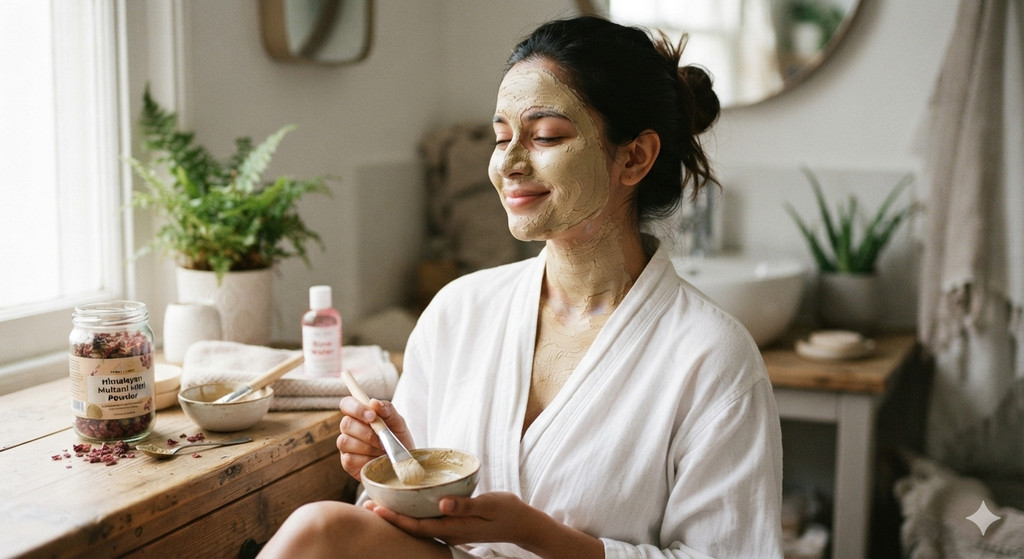
Multani mitti, also called Fuller’s earth, is a naturally occurring clay traditionally used in skincare. It is known for absorbing excess oil and leaving the skin feeling clean and refreshed. It can be particularly useful for oily and combination skin, while people with dry or sensitive skin should use it cautiously. Adding soothing or moisturizing ingredients can make a clay mask more comfortable for different skin types. So, let’s know about some multani mitti face pack.
Benefits of Multani Mitti for Face
Multani mitti, also known as Fuller’s earth, is a natural clay that has been used in traditional skincare for generations. It is especially popular in homemade face packs because of its ability to absorb excess oil and leave the skin feeling clean, fresh, and smooth. Depending on the ingredients it is mixed with, Multani mitti can be used for different skin concerns, including oily skin, dullness, and the appearance of clogged pores. However, it can also be drying, so it should be used carefully, particularly by people with dry or sensitive skin.
- Helps absorb excess oil and sebum from the skin.
- Cleanses away dirt and surface impurities.
- Can leave oily skin feeling fresh and less greasy.
- May temporarily make pores appear less noticeable by removing excess oil and buildup.
- Can help create a smoother-feeling skin surface.
- Works as a simple base for homemade face packs.
- May leave the skin looking brighter and more refreshed after use.
Note: Multani mitti is not a proven treatment for acne, pigmentation, or permanently enlarged pores. Results can vary depending on your skin type and the other ingredients used.
1. Multani Mitti + Rose Water for All Skin Types:
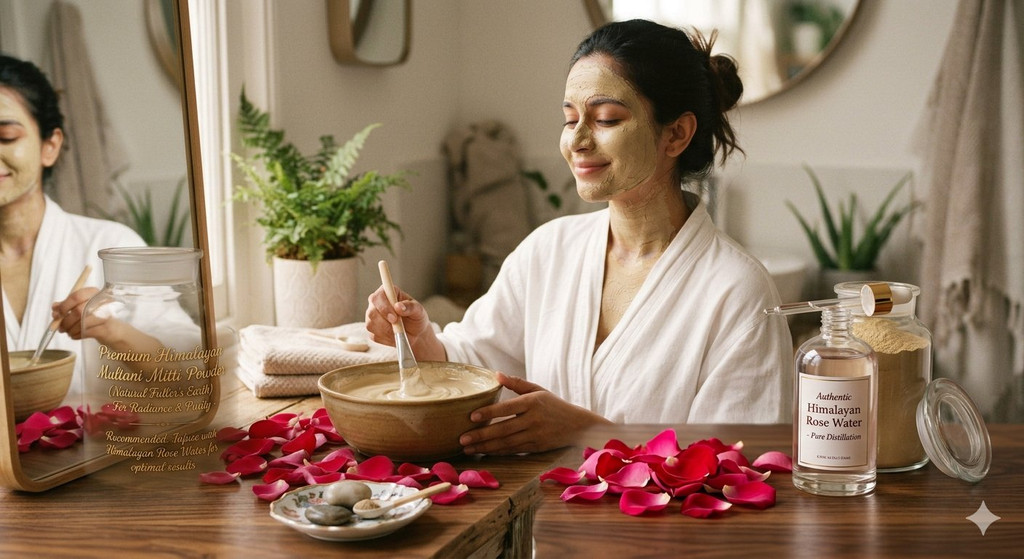
This is one of the simplest Multani mitti face packs. Rose water can make the mixture easier to spread and gives the mask a refreshing feel.
Ingredients:
- 2 tablespoons Multani mitti
- 1–1½ tablespoons rose water, or enough to make a smooth paste
How to Use:
Mix the Multani mitti and rose water until you get a lump-free paste. Apply a thin, even layer to your face, avoiding the eye and lip areas. Leave it on for 10–15 minutes, then rinse with lukewarm or cool water.
If your skin feels dry afterward, apply a gentle moisturizer.
2. Multani Mitti + Lemon Juice for Oily Skin:
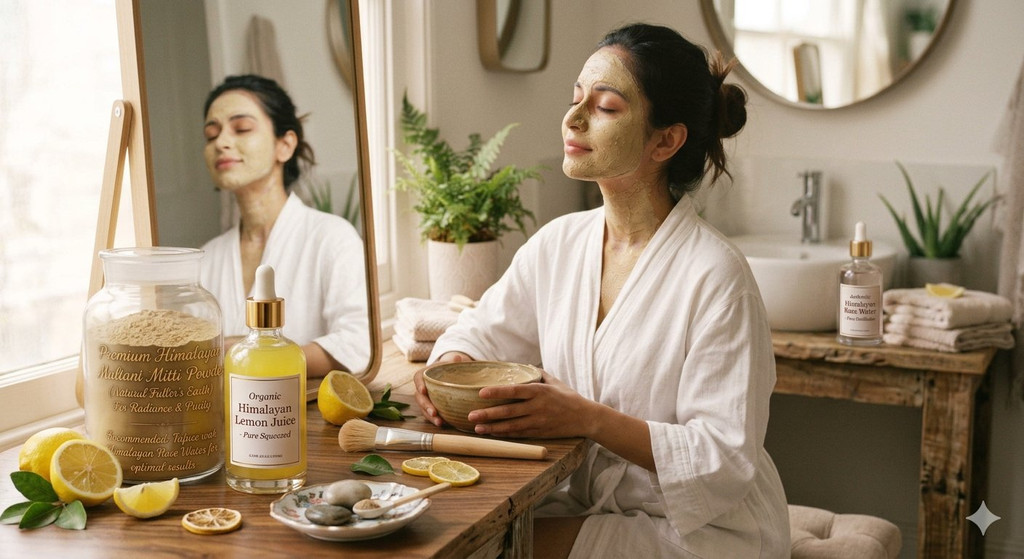
Lemon juice is sometimes used in homemade skincare because of its acidic nature. However, it can irritate skin and increase sensitivity to sunlight, so this recipe should be used cautiously.
Ingredients:
- 2 tablespoons Multani mitti
- 1 tablespoon plain water or rose water
- 2–3 drops fresh lemon juice
How to Use:
Combine the Multani mitti with water or rose water first, then add just 2–3 drops of lemon juice. Mix well and apply a thin layer to clean skin.
Leave it on for 5–10 minutes and rinse thoroughly. Follow with moisturizer and use sunscreen during the day.
Important: If you have sensitive skin, avoid lemon juice. Never use this pack on irritated, freshly shaved, sunburned, or broken skin.
3. Multani Mitti + Neem Powder for Pimples
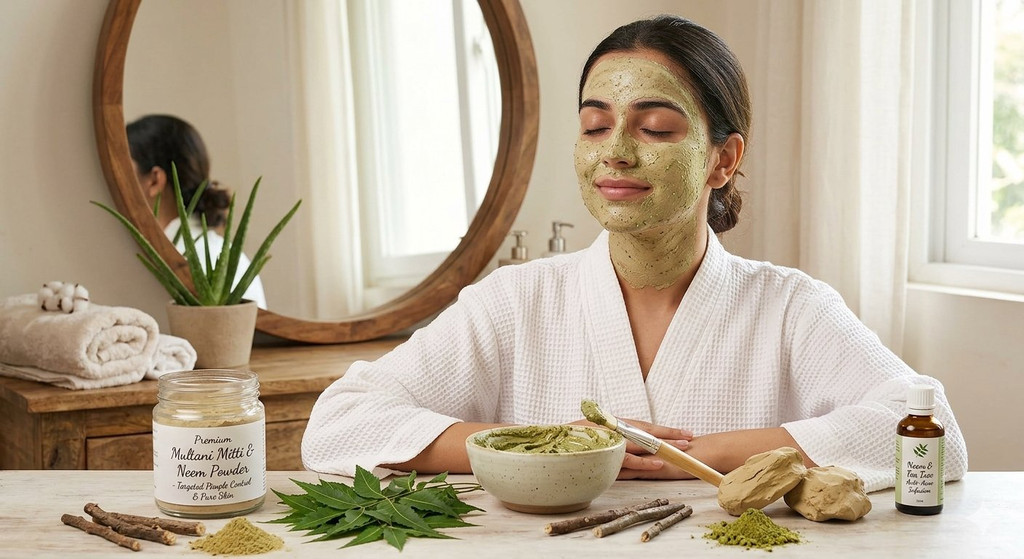
Neem powder is traditionally used in Indian skincare. This combination may be useful for oily, blemish-prone skin, but it should not replace proven acne treatments.
Ingredients
- 1½ tablespoons Multani mitti
- ½ tablespoon neem powder
- 1–1½ tablespoons plain water or rose water
How to Use
Mix the powders and gradually add water or rose water until you have a smooth paste. Apply a thin layer, particularly over areas prone to excess oil, while avoiding active wounds or broken skin.
Leave it on for 10 minutes, then rinse gently without scrubbing.
Apply a non-comedogenic moisturizer afterward.
4. Multani Mitti + Turmeric + Curd for Glowing Skin
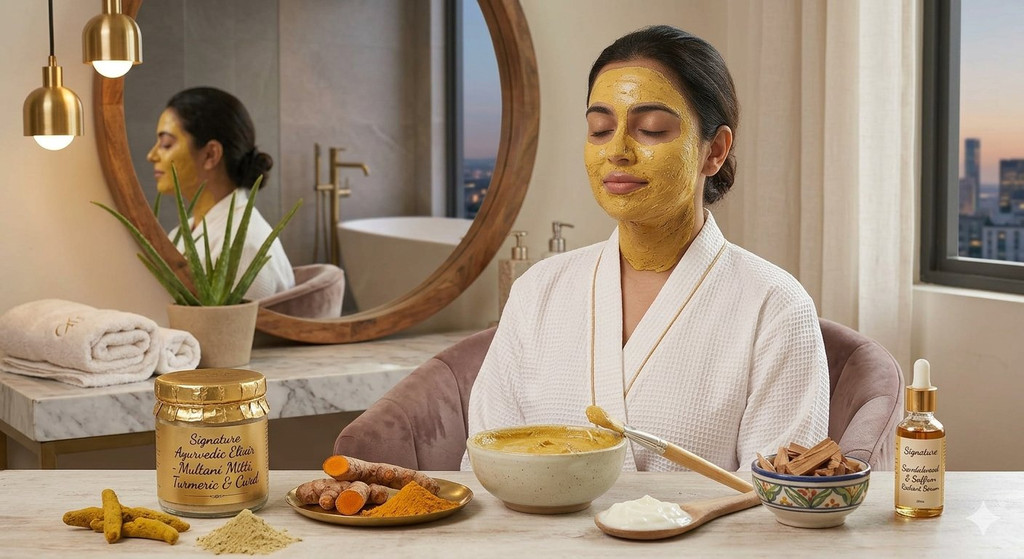
Curd provides a creamy base that can make a clay mask feel less drying. Turmeric is traditionally used in skincare, although it can temporarily stain the skin.
Ingredients
- 1½ tablespoons Multani mitti
- 1 tablespoon plain curd (yogurt)
- ¼ teaspoon turmeric powder
How to Use
Mix everything into a smooth paste. Apply evenly to your face, avoiding the eye area.
Leave the pack on for 10–15 minutes. Don’t wait for it to become completely dry and crack. Rinse gently with lukewarm water and moisturize.
Use a small amount of turmeric to reduce the chance of staining.
5. Multani Mitti + Honey + Milk for Dry Skin
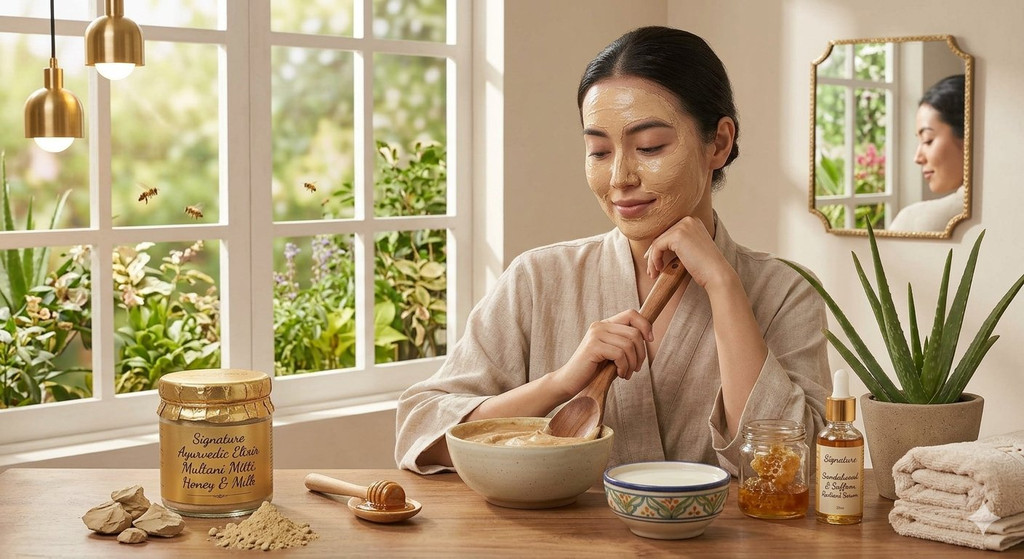
Pure Multani mitti can be drying, so people with dry skin may prefer combining a smaller amount of clay with moisturizing ingredients.
Ingredients
- 1 tablespoon Multani mitti
- 1 teaspoon honey
- 1 tablespoon milk
How to Use
Mix the ingredients until you have a creamy paste. Apply a thin layer to clean skin.
Leave it on for 5–10 minutes and rinse before the mask becomes completely dry. Follow immediately with a moisturizer.
If you have very dry, flaky, or sensitive skin, it’s better to skip Multani mitti or use a more moisturizing face mask instead.
6. Multani Mitti + Tomato Juice for Tan
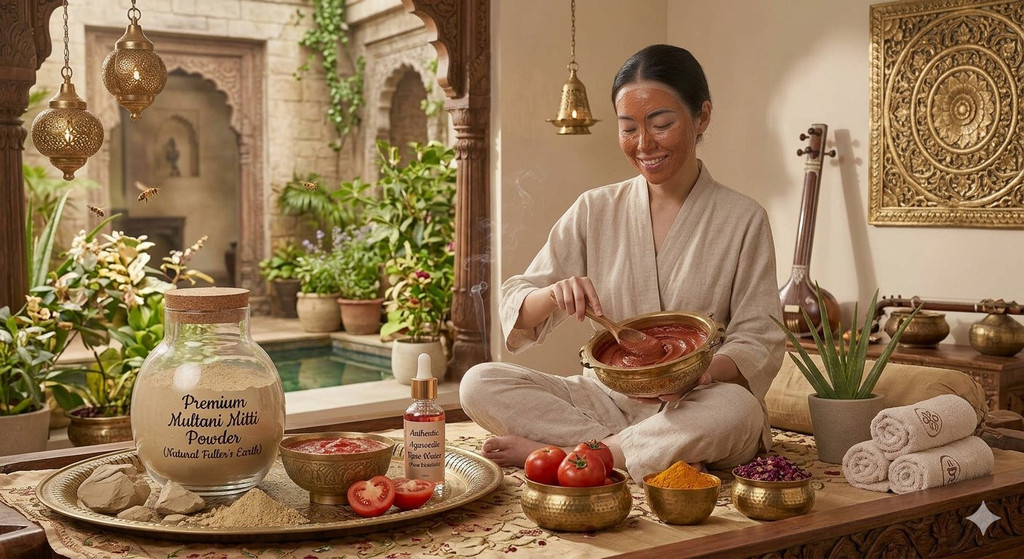
Tomato juice is a common ingredient in traditional DIY skincare. It can make the skin feel refreshed, but it should not be considered a treatment that removes a suntan. Consistent sunscreen use is much more important for preventing and reducing sun-related pigmentation.
Ingredients
- 2 tablespoons Multani mitti
- 1–1½ tablespoons fresh tomato juice
How to Use
Mix the ingredients into a smooth paste. Apply an even layer to the face, avoiding the eyes and lips.
Leave it on for 10 minutes, then rinse gently with water. Apply moisturizer afterward.
Stop using it if you experience burning, redness, or irritation.
7. Multani Mitti + Aloe Vera Gel for the Appearance of Open Pores
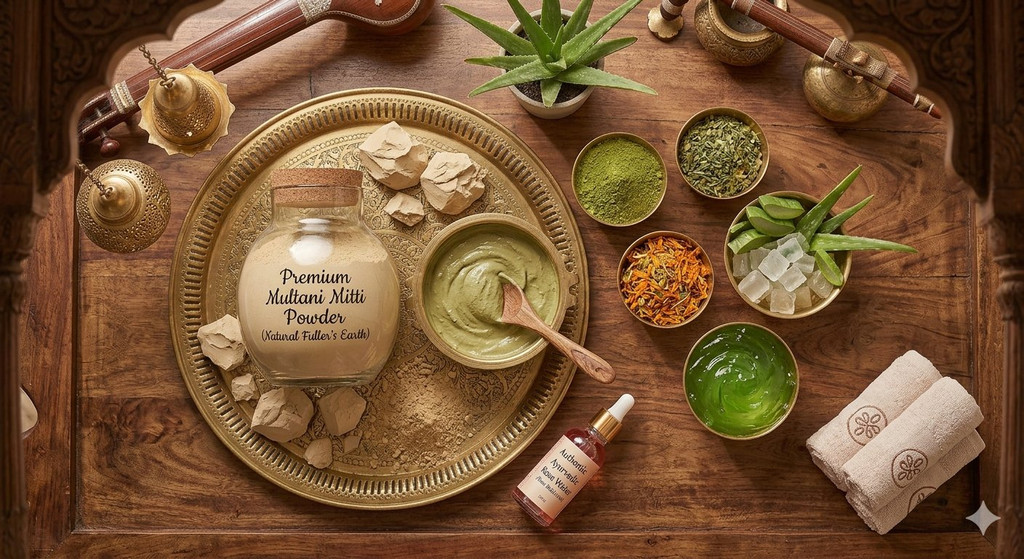
Pores cannot be permanently closed with a face pack. However, removing excess oil can temporarily make them look less noticeable. Aloe vera gel can provide a soothing, lightweight addition to the clay.
Ingredients
- 1½ tablespoons Multani mitti
- 1 tablespoon pure aloe vera gel
- ½–1 teaspoon water, if needed
How to Use
Mix the Multani mitti and aloe vera gel. Add a little water if the mixture is too thick.
Apply a thin layer to clean skin and leave it on for 10–15 minutes. Rinse gently and apply moisturizer.
How to Apply Multani Mitti on Face
- Cleanse your face: Wash with a gentle cleanser and pat your skin dry.
- Prepare the pack: Mix Multani mitti with the ingredients and quantities given above until you get a smooth paste.
- Apply a thin layer: Use clean fingers or a clean face-pack brush. Avoid the eyes, lips, and any cuts or irritated areas.
- Don’t let it become extremely dry: Keep the pack on only for the recommended time. You don’t need to wait until the clay becomes tight and cracks.
- Rinse and moisturize: Wash gently without scrubbing, pat dry, and apply a suitable moisturizer. If you’re going outside during the day, finish with sunscreen.
How Often Should You Use Multani Mitti?
The ideal frequency depends on how your skin reacts.
- Oily skin: About 1–2 times a week.
- Combination skin: About once a week, concentrating on oilier areas.
- Normal skin: Once a week is generally sufficient.
- Dry skin: At most once every 1–2 weeks, using a moisturizing recipe—or avoid it if it makes your skin feel tight.
- Sensitive skin: It’s safer to avoid Multani mitti or use it only after discussing suitable skincare with a dermatologist.
Using a clay mask more frequently isn’t necessarily better. Excessive use can leave the skin dry, tight, or irritated.
Who Should Avoid Multani Mitti?
People with very dry or sensitive skin should be especially cautious because clay can absorb oil and potentially worsen dryness or irritation.
You should also avoid applying it to skin that is:
- Sunburned
- Broken or scratched
- Recently waxed or shaved
- Already irritated or inflamed
Patch Test Tip:
Before applying a new homemade face pack to your entire face, apply a small amount to a discreet area, such as the inner arm or along the jawline. Leave it for the recommended time, rinse, and observe the area for 24 hours. If you develop significant redness, itching, swelling, or burning, don’t use the mixture on your face.
Also, patch-test individual ingredients if you’ve never used them before.
Final Thoughts:
Multani mitti can be a simple, inexpensive addition to a skincare routine, particularly for people with oily or combination skin. The key is moderation: don’t leave it on overnight, don’t use it excessively, and avoid harsh combinations if your skin is sensitive. For dry skin, use moisturizing ingredients or consider skipping clay altogether. If you’re dealing with persistent acne, pigmentation, or irritation, a dermatologist can recommend treatments better suited to the underlying problem.
FAQs:
A. It’s generally not recommended to use Multani mitti every day. Frequent clay-mask use can strip too much oil from the skin and cause dryness or irritation. For most people, once or twice a week is enough.
A. No. A Multani mitti mask is intended to be rinsed off after a short period. Leaving it on overnight can cause excessive dryness, tightness, or irritation. Follow the recommended 5–15-minute application time instead.
A. Multani mitti may help absorb excess oil, which can make oily, blemish-prone skin feel cleaner. However, it doesn’t cure acne. Persistent or painful pimples are better addressed with evidence-based acne treatments and, when necessary, advice from a dermatologist.
A. It may temporarily make skin look fresher or brighter, but there’s no good reason to expect Multani mitti itself to remove dark spots or a tan. For sun-related pigmentation, daily broad-spectrum sunscreen is much more important.
A. Yes. Especially if your skin feels tight after rinsing. Apply a gentle moisturizer while your skin is still slightly damp. This can help reduce the dryness that some people experience after using clay masks.

Amit Bose is a BA student studying journalism. He follows online news closely and runs a news page on Facebook. At FastNewsFeed, he covers news and current events, and also writes on finance, beauty and lifestyle topics using published sources.