
How to Use Aloe Vera Gel on Face: 7 Easy Ways (Day, Night & Face Packs)
Last updated:
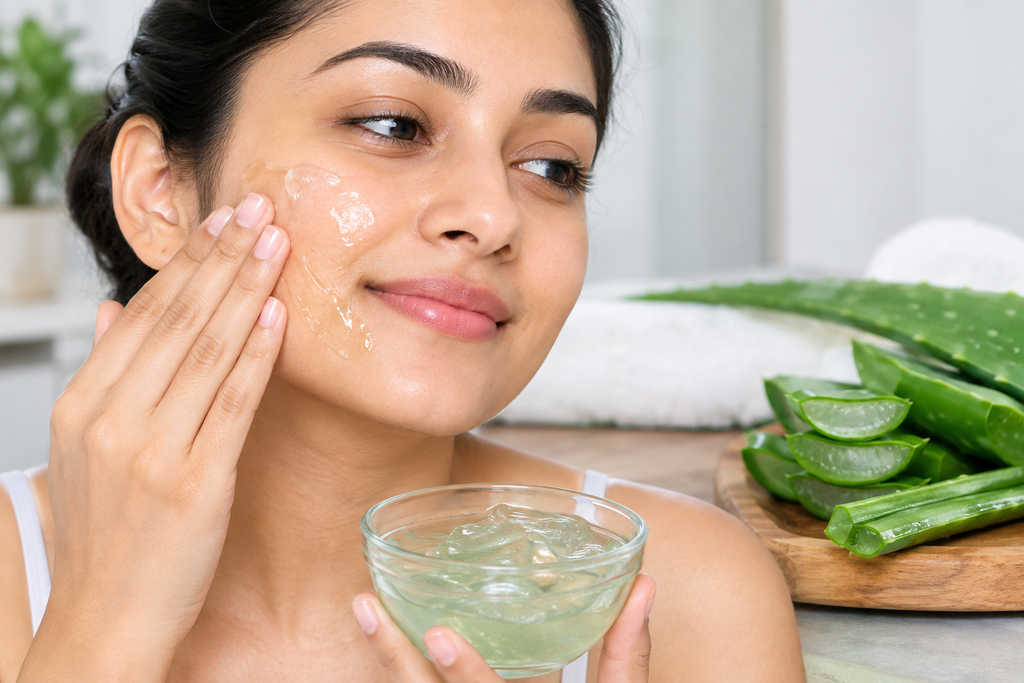
Aloe vera gel is a simple, lightweight ingredient that can be added to many skincare routines. But how to use aloe vera gel on the face correctly depends on your skin type and what you want to achieve.
The simplest method is to apply a thin layer of aloe vera gel to a clean, dry face and leave it on for 15–20 minutes before rinsing. If your skin tolerates it, you can also use a suitable aloe gel as an overnight moisturizer. Always patch-test a new product first, especially if you have sensitive skin.
Benefits of Aloe Vera Gel on Face
Aloe vera gel is popular because it feels lightweight, cooling, and soothing on the skin. It can provide a temporary boost of hydration and may help skin feel less dry or tight.
Some potential benefits include:
- Hydration: Aloe vera contains a high water content and can help keep the skin hydrated.
- Cooling effect: Its gel-like texture can feel refreshing, particularly after exposure to heat or sun.
- Soothing: Aloe may help soothe minor skin irritation.
- Light moisture: It can work as a lightweight moisturizer for some people, especially those with oily skin.
- Easy to combine: Aloe vera can be used alone or incorporated into simple face packs and masks.
Fresh Aloe Vera Gel vs Store-Bought Aloe Vera Gel
Both fresh aloe vera and commercially prepared aloe vera gel can be used in skincare, but they aren’t identical.
How to Get Fresh Aloe Vera Gel
If you’re using an aloe vera leaf at home, preparation matters. The yellow latex beneath the leaf’s surface can contain compounds that irritate some people’s skin, so it should be removed completely.
Fresh gel preparation:
- Wash the aloe vera leaf thoroughly.
- Cut off the spines from both sides.
- Slice the leaf down the center.
- Allow the yellow liquid to drain away.
- Remove the yellow portion completely.
- Scoop the clear inner gel out with a clean spoon.
- Transfer the gel to a clean container.
How to Store Fresh Aloe Vera Gel
Fresh aloe gel is perishable. Keep it in a clean, sealed container in the refrigerator and use it within up to about two weeks, provided it remains fresh and shows no change in smell, color, or texture.
Another option is freezing the gel in clean ice-cube trays.
How to Choose a Store-Bought Aloe Vera Gel
Commercial aloe gels can be more convenient because they’re formulated for longer storage and easier application.
When checking the label, look for:
- Aloe vera listed among the first ingredients.
- A relatively simple ingredient list.
- No strong fragrance if your skin is sensitive.
- No alcohol if you find alcohol-containing products drying or irritating.
- Packaging from a reputable manufacturer.
How to Apply Aloe Vera Gel on Face
If you’re wondering how to use aloe vera gel on face for the first time, start with the simplest method.
Follow These Steps:
- Wash your face: Use a gentle cleanser to remove dirt, sweat, sunscreen, and excess oil.
- Pat dry: Gently pat your face with a clean towel. Don’t rub the skin.
- Apply a thin layer: Take a small amount of aloe vera gel and spread it evenly over your face.
- Leave it on: Keep it on for around 15–20 minutes when you’re starting out.
- Rinse or moisturize: Rinse with lukewarm or cool water, then apply your usual moisturizer if your skin needs additional hydration.
7 Ways to Use Aloe Vera Gel on Face:
See below the 7 best ways to use aloe vera gel on the face.
1. Aloe Vera Gel for Oily Skin
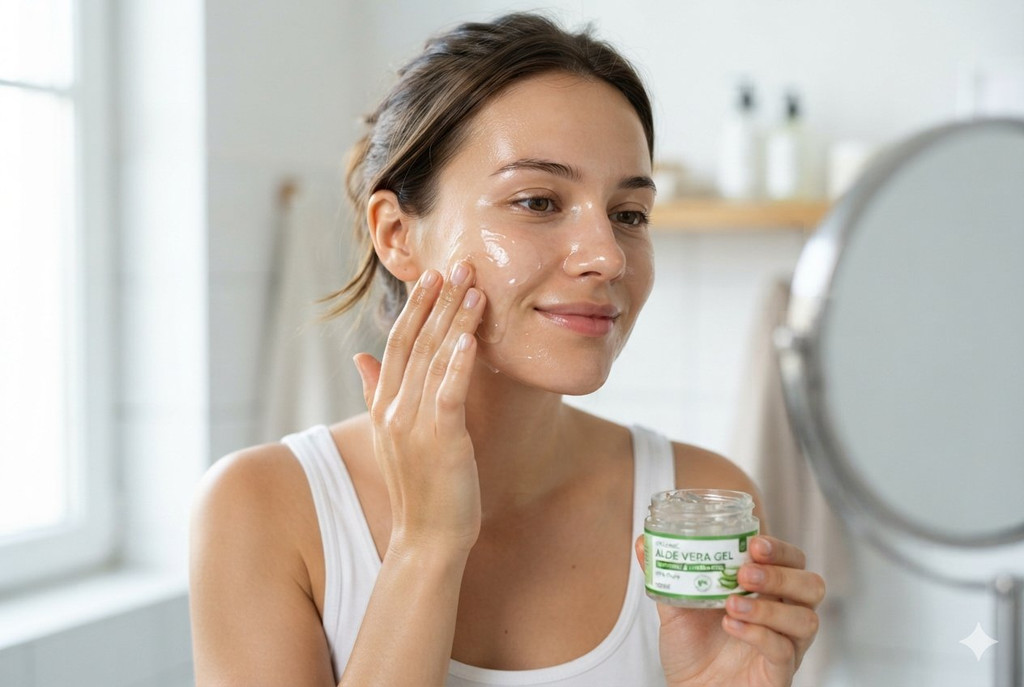
Aloe vera can be a useful lightweight moisturizing option for people with oily skin. Unlike heavier creams and oils, a thin layer of aloe gel generally doesn’t feel as rich.
After cleansing your face, apply a small amount of aloe vera gel and allow it to absorb. If your skin feels comfortable afterward, you may not need a heavy moisturizer.
However, oily skin still needs moisturization. If aloe vera alone doesn’t provide enough hydration, use a lightweight, non-comedogenic moisturizer afterward.
2. Aloe Vera Gel at Night or Overnight
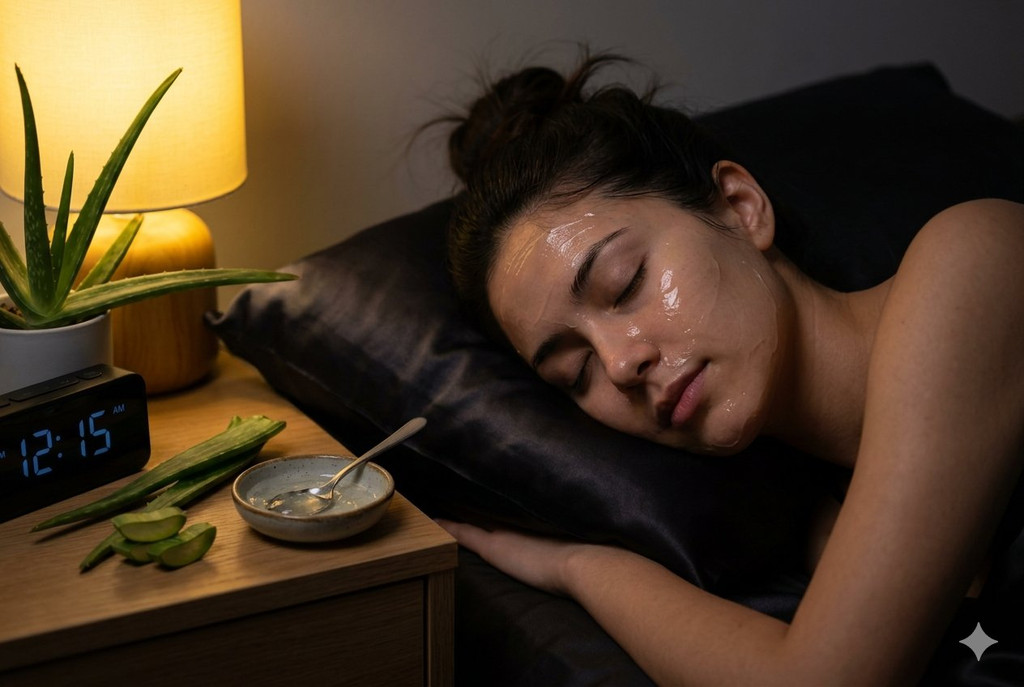
Using aloe vera gel at night is one of the easiest ways to incorporate it into your skincare routine.
Before bed:
- Cleanse your face.
- Pat it dry.
- Apply a thin layer of aloe vera gel.
- Allow it to dry or absorb.
- Follow with moisturizer if required.
3. Aloe Vera Face Mask for 15-20 Minutes:
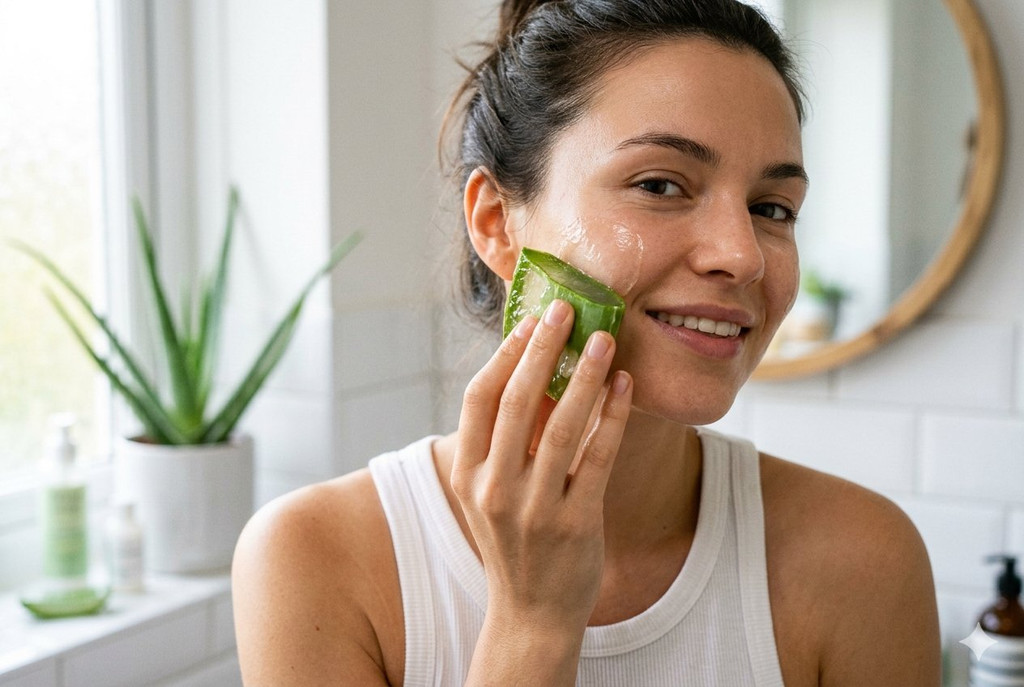
An aloe vera face mask is a straightforward option if you don’t want to leave the product on overnight.
Apply a thin, even layer of aloe vera gel to clean skin. Avoid the eye area and lips unless the product specifically says it is suitable for those areas.
Leave it on for approximately 15–20 minutes and rinse gently.
This can leave the skin feeling refreshed and hydrated.
4. Aloe Vera Face Pack Recipes:
Aloe vera can be combined with several common skincare ingredients. Keep homemade recipes simple, use clean utensils, and don’t store homemade mixtures for long periods.
Aloe Vera + Honey Face Pack:
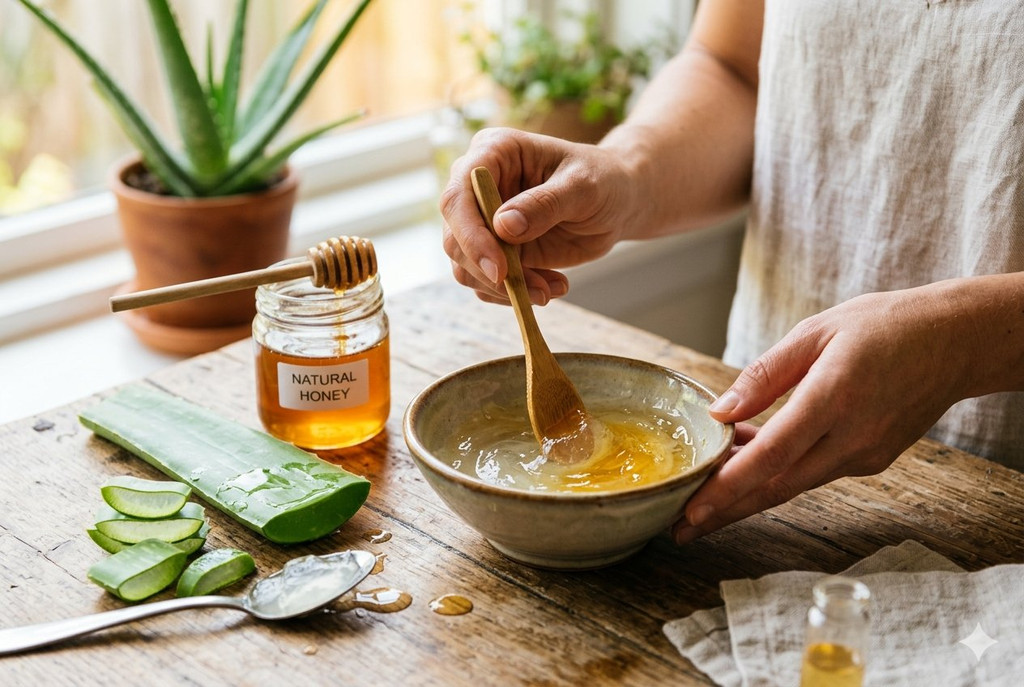
Mix a small amount of aloe vera gel with a little honey and apply it as a short face pack. Leave it on for around 10–15 minutes before rinsing.
Honey can make the mixture more moisturizing, while aloe provides a lightweight gel texture.
Aloe Vera + Turmeric Face Pack:
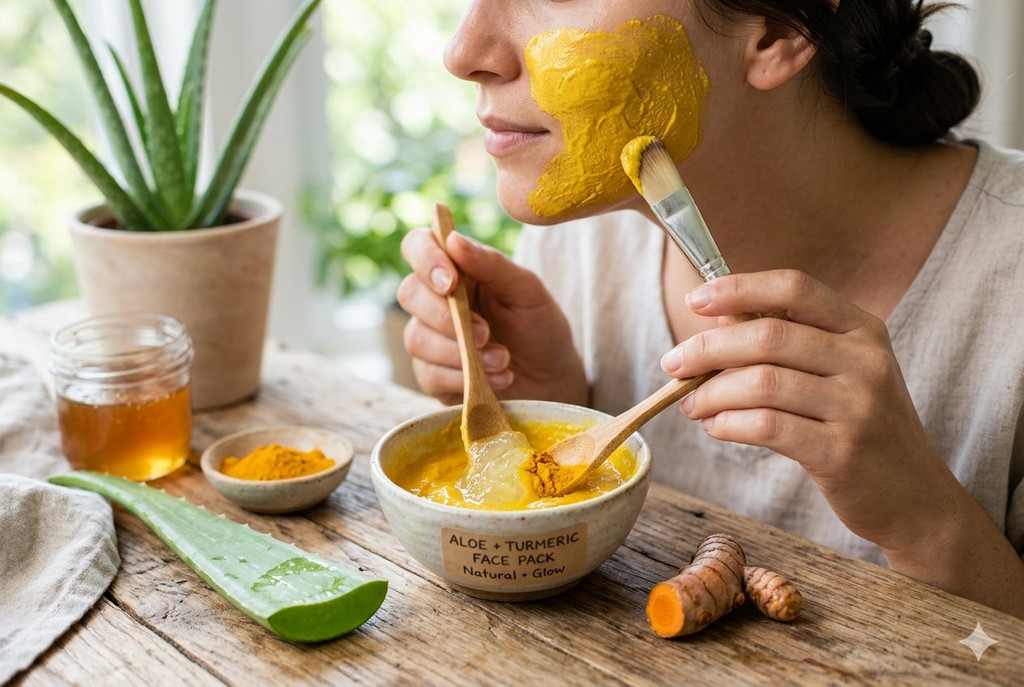
Add a very small amount of turmeric to aloe vera gel and mix well. Apply a thin layer for approximately 10 minutes, then rinse thoroughly.
Be aware that turmeric can temporarily stain the skin or clothing, and some people may find it irritating. Don’t use large quantities.
Aloe Vera + Rose Water Face Pack:
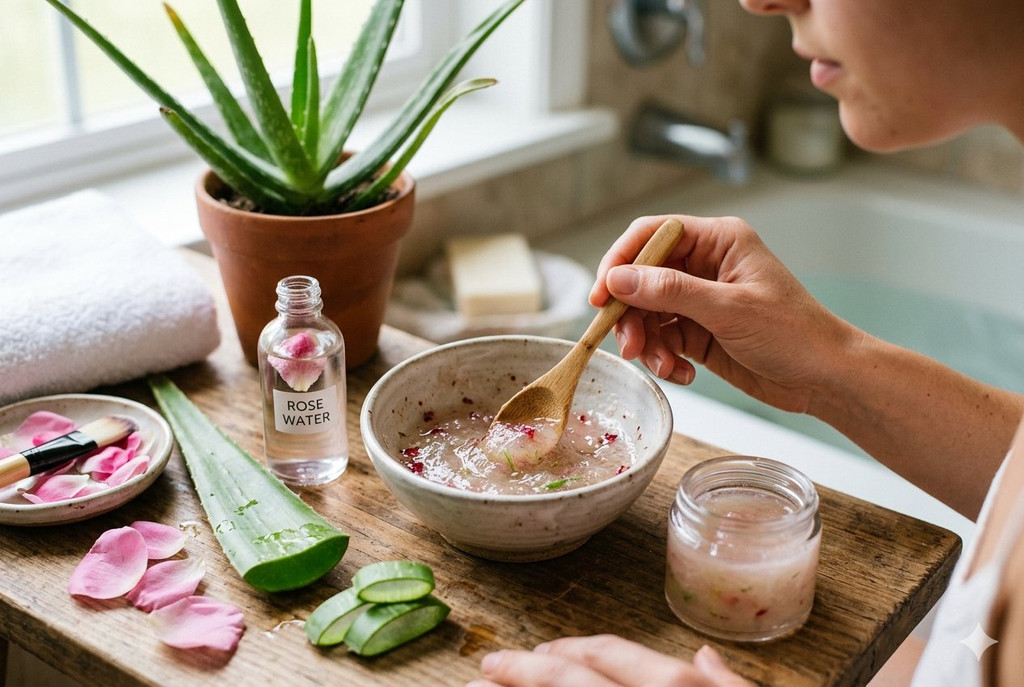
Mix aloe vera gel with a small amount of rose water to create a refreshing face pack. Apply it for 10–15 minutes and rinse.
Aloe Vera + Multani Mitti Face Pack:
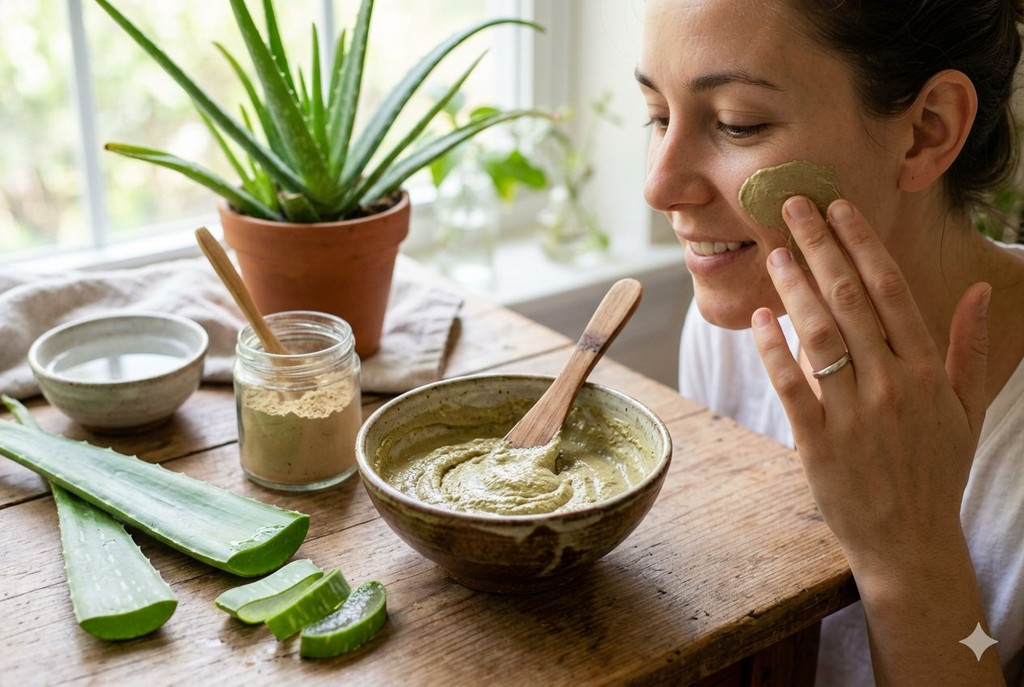
For oily skin, you can combine aloe vera gel with a small amount of Multani mitti (Fuller’s earth) and water or rose water. Apply a thin layer and rinse before the mixture becomes excessively dry and uncomfortable.
5. Coconut Oil and Aloe Vera for Face
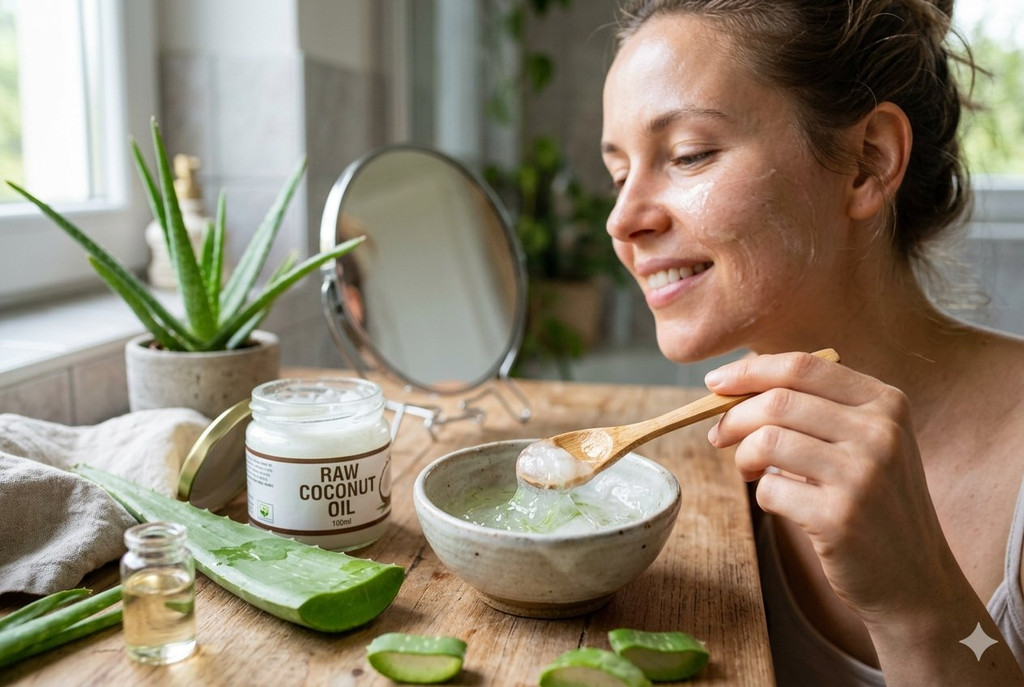
Coconut oil and aloe vera for face is a popular DIY combination, particularly among people with dry skin.
To try it, mix a small amount of aloe vera gel with a tiny quantity of coconut oil and apply it to clean skin.
However, coconut oil is relatively rich and may clog pores or contribute to breakouts in some people. Therefore, this combination isn’t necessarily suitable for oily or acne-prone skin.
6. Aloe Vera as a Spot Treatment for Pimples
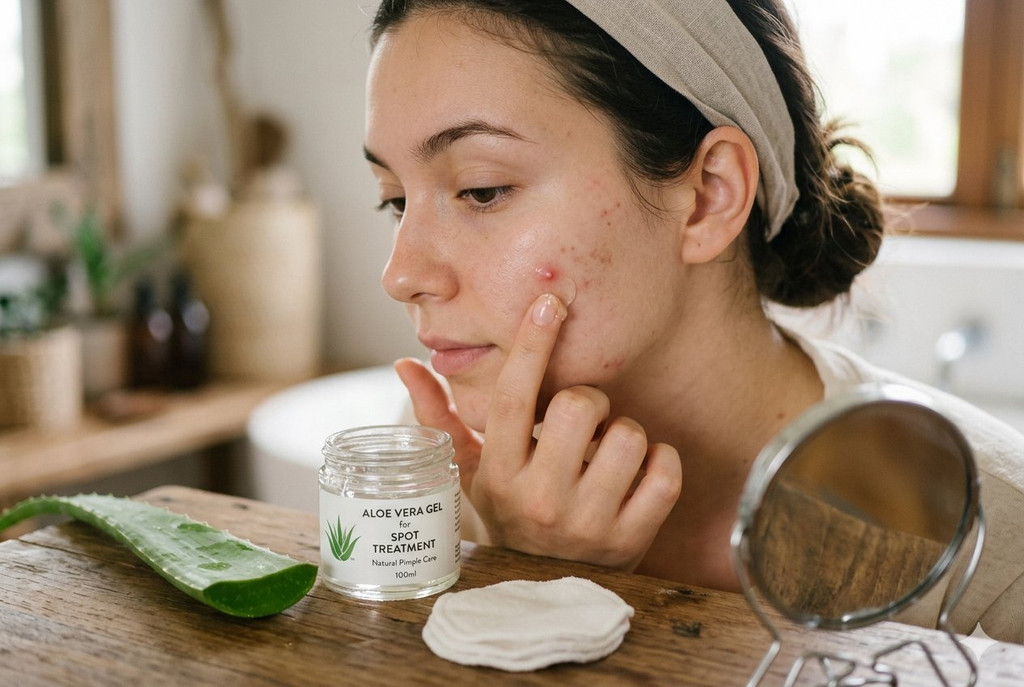
Aloe vera can feel soothing on irritated skin, but it shouldn’t be presented as a guaranteed acne treatment. For an occasional pimple, you can apply a small amount of plain aloe vera gel to the area after cleansing. Leave it on for 15–20 minutes and rinse, or use a suitable leave-on product according to its instructions.
7. Aloe Vera After Sun Exposure
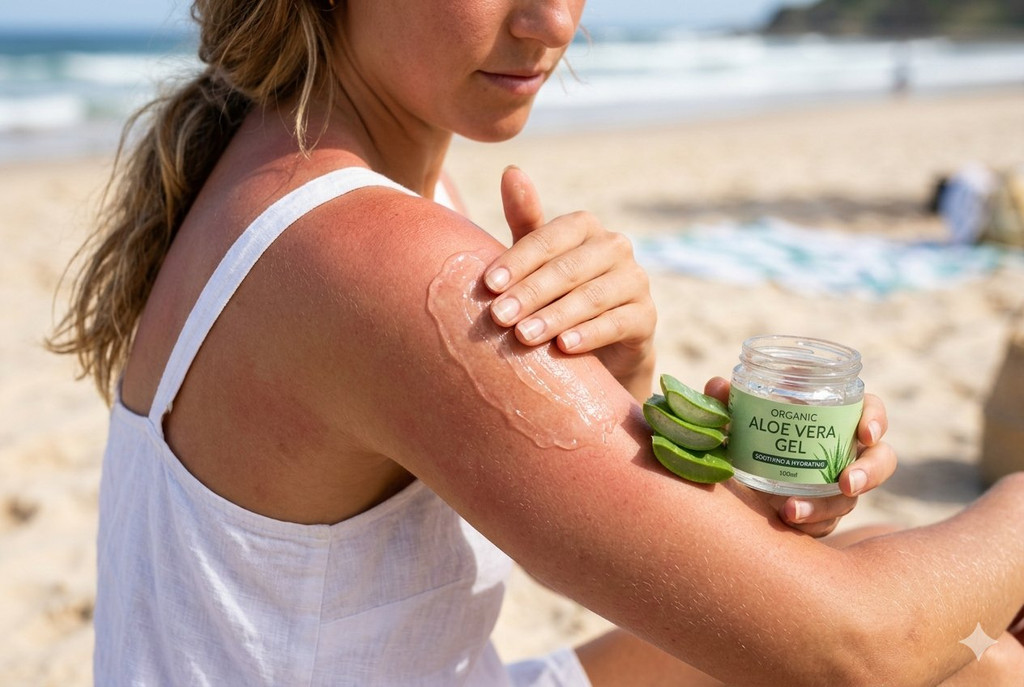
Aloe vera is commonly used to provide a cooling, soothing sensation after sun exposure. If your skin feels hot or uncomfortable after spending time outdoors, apply a thin layer of suitable aloe vera gel to clean skin.
Avoid applying it to severely damaged or blistered skin without appropriate medical advice. Aloe vera also doesn’t replace sunscreen or prevent sun damage.
Aloe Vera by Skin Type:
Aloe vera can be a useful addition to a skincare routine, but it isn’t a substitute for proven treatments for persistent acne, significant pigmentation, deep wrinkles, or other ongoing skin concerns. See below how to use Aloe Vera by skin type.
Aloe Vera for Oily Skin:
Aloe vera’s lightweight texture makes it a convenient option for oily skin. Apply a thin layer rather than a thick coating. If your skin becomes dry or tight afterward, use a lightweight moisturizer.
Aloe Vera for Dry Skin:
Aloe vera can provide some hydration, but it may not be enough on its own for very dry skin. You can apply aloe first and follow it with a richer moisturizer to help maintain hydration. For dry skin, avoid using excessive amounts of clay or other potentially drying ingredients in DIY face packs.
Aloe Vera for Sensitive Skin:
Sensitive skin requires extra caution. Some people experience stinging, redness, or irritation from aloe products, particularly when the product contains fragrance, alcohol, preservatives, or other ingredients. Start with a patch test and use a small amount.
Aloe Vera for Acne-Prone Skin:
Aloe vera can be lightweight and may feel comfortable on acne-prone skin, but the full product formulation matters. Choose a simple, fragrance-free product where possible and avoid heavy combinations such as coconut oil if you know they trigger breakouts.
Can You Leave Aloe Vera on Your Face Overnight?
Yes, you can leave aloe vera on your face overnight if your skin tolerates it and the product is suitable for leave-on use.
For beginners, don’t start by applying a thick layer and sleeping with it every night. Patch-test the product first, then try it for one night. If your skin remains comfortable, you can gradually incorporate overnight use into your routine.
What Results Can You Expect After 2 Weeks?
It’s important to keep expectations realistic. After approximately two weeks of regular use, you may notice that your skin feels:
- Less tight after cleansing.
- More comfortable and hydrated.
- Calmer after minor irritation.
- Softer to the touch.
But don’t expect aloe vera alone to make dark spots disappear, permanently remove pimples, erase wrinkles, or dramatically change your skin texture in two weeks.
Side Effects and Who Should Avoid Aloe Vera
Aloe vera is often well tolerated, but natural ingredients can still cause reactions.
- Before applying a new aloe product to your entire face, perform a patch test. Apply a small amount to the inside of your wrist and wait 24 hours. If you develop redness, itching, swelling, burning, or a rash, don’t use it on your face.
- People with allergies to plants in the Liliaceae family, including onions or garlic, may have a higher risk of reacting to aloe and should be particularly cautious.
- If you have eczema, a diagnosed skin condition, or a history of significant skin reactions, speak with a dermatologist before introducing aloe vera or other DIY treatments.
Stop using the product if it causes persistent irritation.
Final Thoughts:
Learning how to use aloe vera gel on face doesn’t have to be complicated. Start with a thin layer on clean skin, leave it on for 15–20 minutes, and rinse it off. If your skin tolerates the product well, you can also try using a suitable aloe gel overnight.
Aloe vera can provide lightweight hydration and a cooling, soothing feel, making it especially appealing for oily or combination skin. You can also combine it with simple ingredients such as honey, rose water, or small amounts of coconut oil depending on your skin type.
FAQs:
A. You can use a suitable aloe vera product daily if your skin tolerates it. Start with once a day or a few times per week and observe how your skin responds.
A. Yes, aloe vera can be a lightweight moisturizing option for oily skin. It can provide hydration without the heavier feel of many creams or oils.
A. Aloe vera may soothe irritated skin, but it isn’t a guaranteed treatment for pimples. For persistent or moderate-to-severe acne, proven acne treatments are more appropriate.
A. Aloe vera shouldn’t be relied upon to remove dark spots. While it can help keep skin hydrated and comfortable, persistent pigmentation usually requires targeted skincare and consistent sun protection.
A. Yes, you can mix aloe vera with a small amount of coconut oil. This combination may suit some people with dry skin, but coconut oil can feel heavy and may contribute to clogged pores or breakouts in some individuals.
A. Neither is automatically better for everyone. Fresh aloe requires careful preparation to remove the irritating yellow latex and has a short shelf life. Store-bought gel is more convenient, but you need to check the ingredient list.

Amit Bose is a BA student studying journalism. He follows online news closely and runs a news page on Facebook. At FastNewsFeed, he covers news and current events, and also writes on finance, beauty and lifestyle topics using published sources.