
How to Become a Fashion Stylist in India: Steps, Courses and Skills
Last updated:
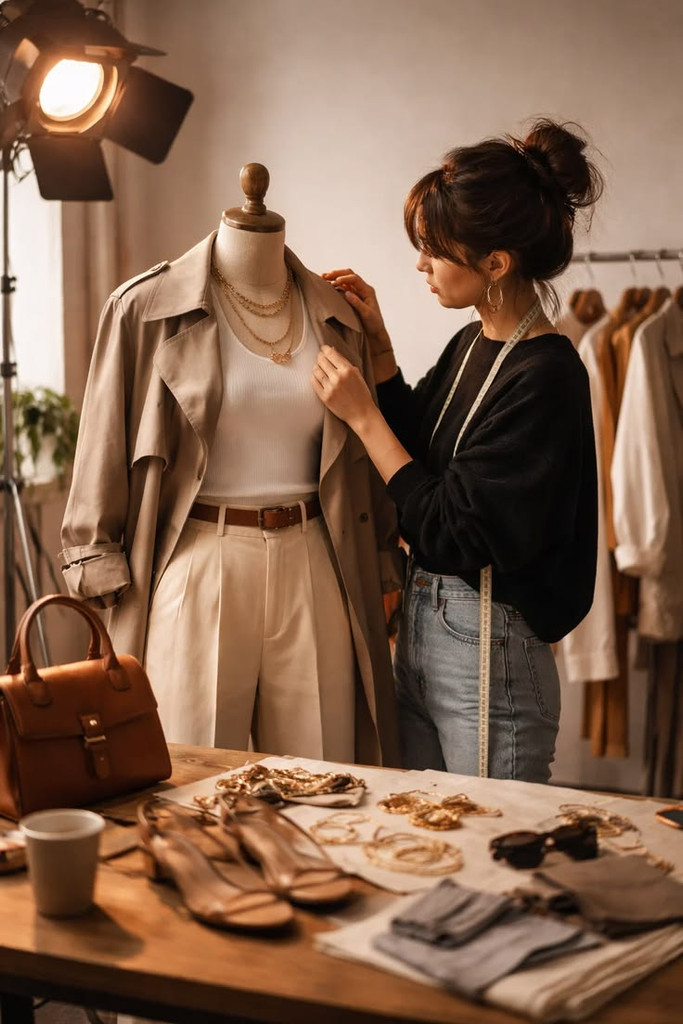
The fashion landscape in India has experienced a phenomenal transformation over the past decade. With the explosive growth of Bollywood, regional cinema, OTT platforms, digital content creation, e-commerce giants, and luxury bridal couture, fashion styling has evolved from a niche backstage profession into one of the most dynamic and sought-after career paths in the country.
If you have an eye for aesthetics, a deep appreciation for textiles, and a relentless passion for storytelling through clothes, becoming a fashion stylist in India offers a thrilling and lucrative professional journey. This comprehensive guide walks you through every step, course, skill set, and industry insider secret required to establish a successful career as a fashion stylist in India.
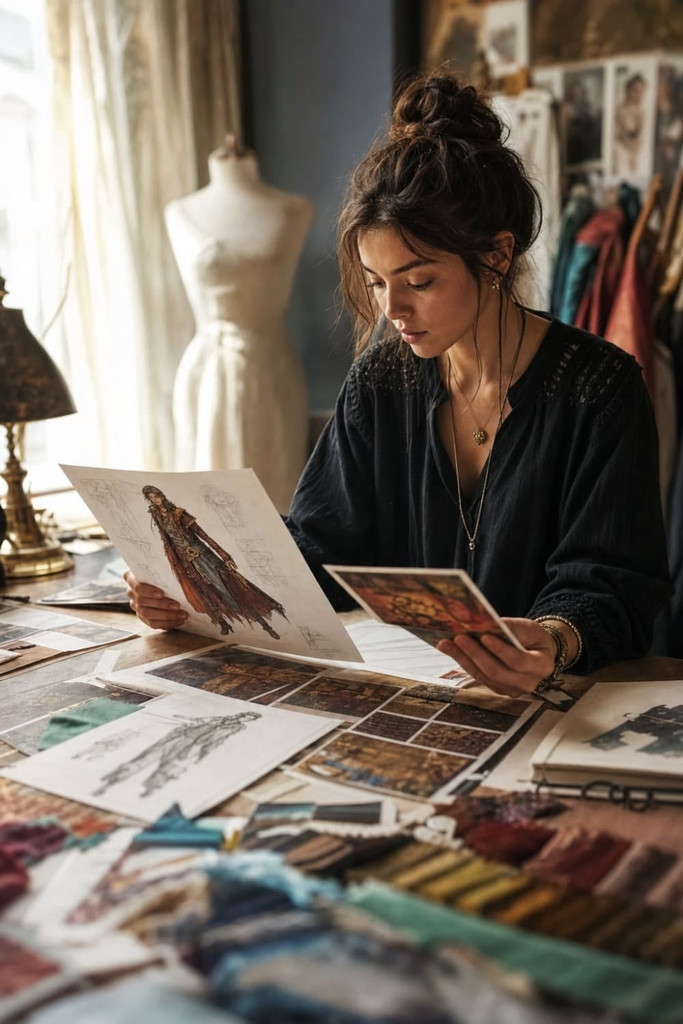
What Does a Fashion Stylist Do?
Many people mistake fashion styling for simply shopping or “dressing people up.” In reality, a fashion stylist is a visual storyteller, a creative director of wardrobes, and a logistical problem solver.
A stylist curates looks that communicate a specific mood, character, brand message, or editorial narrative. Depending on your specialization, your day-to-day work might involve:
Editorial Styling: Collaborating with photographers, makeup artists, and art directors to conceptualize and execute high-fashion spreads for magazines like Vogue India, Harper’s Bazaar, or Elle.
Celebrity & Red Carpet Styling: Dressing actors, musicians, and influencers for movie promotions, awards shows, airport looks, and magazine covers.
Commercial & Advertising Styling: Working on television commercials (TVCs), print campaigns, and e-commerce shoots for major retail brands.
Personal Styling: Consulting private clients, high-net-worth individuals, or brides to overhaul their wardrobes, curate wedding trousseaus, and build personal branding.
Essential Skills Required to Succeed:
To thrive in the competitive Indian fashion market, you need a powerful combination of creative vision and hard-nosed professional discipline.
Creative & Aesthetic Skills:
- Understanding Body Types & Silhouettes: India has incredible diversity in body shapes. A great stylist knows how to drape, cut, and accessorize clothes to flatter every individual figure.
- Color Theory & Trend Forecasting: You must stay ahead of seasonal trends while understanding classic color pairings, skin undertones, and how fabrics interact under different lighting conditions.
- Cultural & Textile Knowledge: India is a global powerhouse of textiles. Understanding handlooms, regional weaves (like Kanjivaram, Chanderi, Paithani, Banarasi, and Phulkari), and traditional embroideries (Zardozi, Gota Patti, Chikankari) is vital, especially given the dominance of the Indian bridal market.
Professional & Operational Skills
- Networking and People Skills: Fashion is a relationship-driven industry. Your ability to collaborate smoothly with photographers, makeup artists, designers, and prickly celebrities will dictate your success.
- Sourcing and Logistics: Styling involves immense heavy lifting—literally. You must know where to source garments from designers, PR agencies, and multi-designer stores, keep meticulous inventory logs, and ensure clothes are returned in pristine condition.
- Resilience and Problem-Solving: Last-minute wardrobe malfunctions, delayed shipments, or sudden changes in concept require you to stay calm under intense pressure.
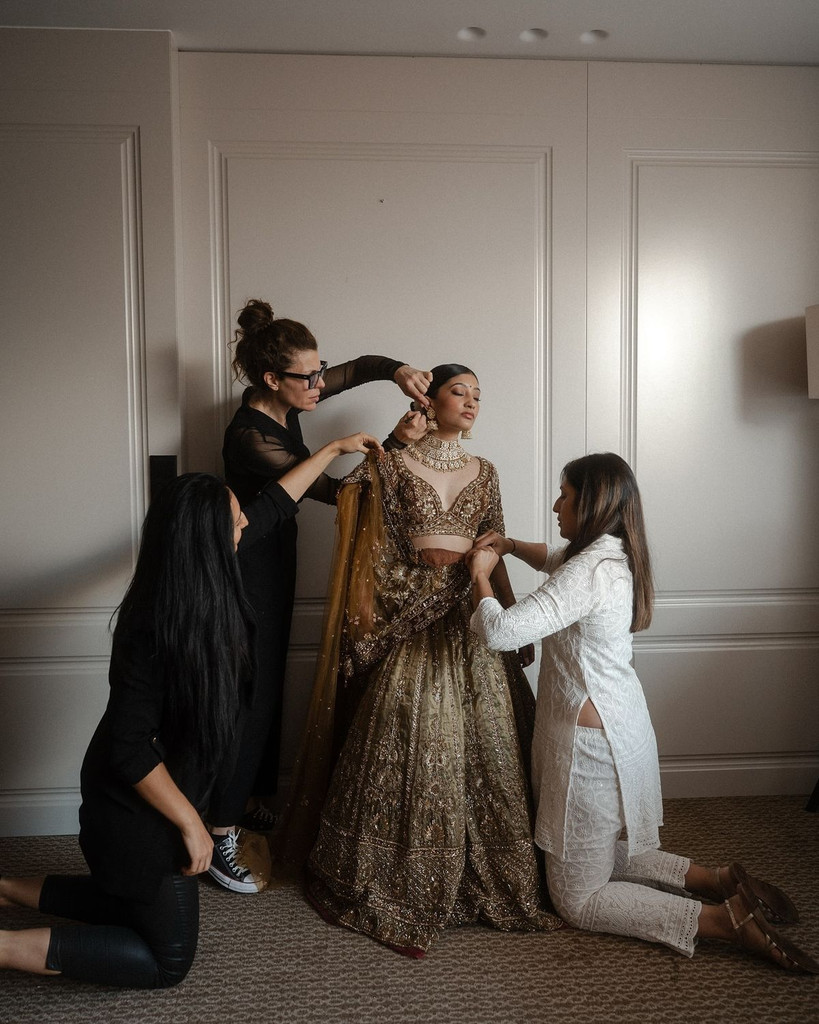
Courses and Institutes in India:
While formal education is not strictly mandatory in creative fields, enrolling in a reputed design institution provides structured learning, technical foundation, and—most importantly—invaluable industry networking opportunities.
Top Fashion Design & Styling Institutes in India
- National Institute of Fashion Technology (NIFT): With campuses across Delhi, Mumbai, Bengaluru, and other major cities, NIFT is India’s premier institute. While primarily known for design, many of its textile and fashion management programs offer rigorous styling modules.
- Pearl Academy (Delhi, Mumbai, Bengaluru): Renowned for its industry-focused curriculum, Pearl Academy offers specialized undergraduate and postgraduate courses in Fashion Styling, Image Consulting, and Communication.
- National Institute of Design (NID), Ahmedabad: Known for its rigorous conceptual and design thinking approach, NID produces top-tier creative minds across various design verticals.
- Whistling Woods International (Mumbai): Founded by Subhash Ghai, its School of Fashion offers specialized training tailored specifically toward costume design, styling for cinema, and media entertainment.
- JD Institute of Fashion Technology & Vogue Institute of Art & Design: Excellent private institutes offering diploma and degree courses in fashion styling and merchandising.
Short-Term & Online Certifications
If you are transitioning from another career, short-term diploma courses (3 to 6 months) or certified image consulting workshops (such as programs accredited by ICBI or various international online platforms) can help you grasp the fundamentals without committing to a multi-year degree.
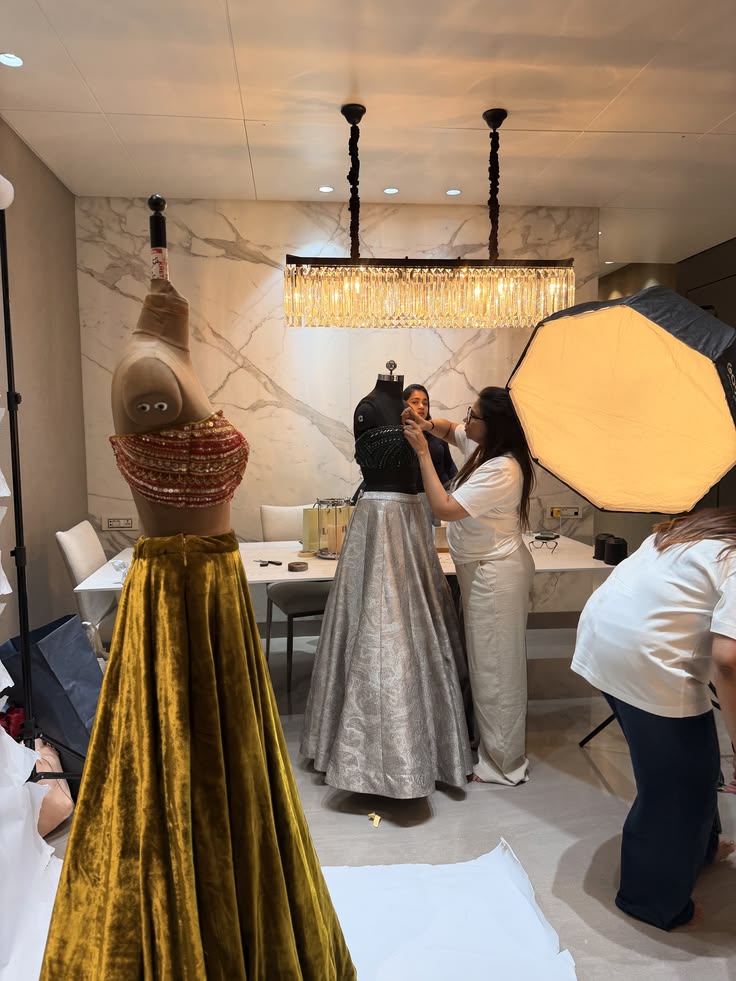
Step-by-Step Roadmap to Launch Your Career
Building a career in fashion styling requires deliberate progression. Follow this roadmap to transition from an aspiring enthusiast to a professional stylist:
Step 1: Immerse Yourself in Visual Culture
Study fashion history, iconic photographers (like Mario Testino, Steven Meisel, or Indian masters like Prabuddha Dasgupta and Tarun Khiwal), and legendary stylists. Consume international and domestic fashion publications, watch runway shows, and analyze why certain outfits work while others fail.
Step 2: Build a Killer Mood Board & Portfolio
Before anyone hires you, you need to prove your aesthetic. Create test shoots. Collaborate with amateur photographers, makeup artists, and aspiring models. Source clothes from your own wardrobe, local boutiques, or student designers, and execute 3 to 4 distinct conceptual editorial looks. Compile these into a professional digital portfolio or website.
Step 3: Secure an Internship (The Ultimate Training Ground)
In India, the most effective way to learn styling is by assisting established celebrity or editorial stylists. Reach out to working stylists on Instagram or through email. Offer to intern for free or nominal stipends. Be prepared for grueling hours, carrying heavy garment bags, steaming clothes, and running errands. Your dedication during this phase will earn you the trust of the industry.
Step 4: Master the Art of Assisting
As an assistant, you will learn how PR pull letters work, how to manage designer relations, how to organize a rack on set, and how to handle last-minute crises. A reliable, hardworking assistant quickly becomes indispensable and often inherits smaller solo styling gigs from their lead stylist.
Step 5: Specialize and Build Your Brand
Decide which vertical excites you most—editorial, bridal, celebrity, or commercial. Simultaneously, build your personal brand on Instagram and LinkedIn. Share behind-the-scenes content from shoots, break down celebrity looks, and showcase your professional portfolio. In today’s digital age, your social media presence serves as your virtual business card.
Earnings and Career Growth
Fashion styling in India is structured around freelance projects, retainer contracts, and agency representations.
- Entry-Level / Assistants: As an intern or junior assistant, earnings may range from ₹15,000 to ₹35,000 per month, often dependent on project-based per-day rates.
- Mid-Level Stylists: Working independently on commercial campaigns, mid-tier influencer shoots, or editorial spreads can yield anywhere from ₹10,000 to ₹50,000+ per day, depending on the client’s budget.
- Established Celebrity / Editorial Stylists: Top-tier stylists who dress A-list Bollywood actors or head major luxury campaigns command significant project fees, monthly retainers, and brand endorsement commissions.
Conclusion:
Becoming a fashion stylist in India is an exhilarating journey that demands passion, physical stamina, meticulous organization, and sharp aesthetic intuition. By combining formal education or hands-on assisting experience with a strong digital portfolio and relentless networking, you can carve out a vibrant space for yourself in India’s booming fashion industry. Stay curious, respect the craft, and let your unique creative vision shine through every drape and stitch.
FAQs:
A. No, a formal degree is not legally required to work as a stylist. Many successful Indian stylists started as assistants, journalists, or self-taught creatives. However, a degree from an institute like NIFT or Pearl Academy gives you structured knowledge and immediate access to industry networks.
A. Beginners build relationships with PR agencies, multi-designer boutiques, and independent homegrown labels. By providing a strong mood board and guaranteeing photo credits in reputable publications or digital platforms, stylists can secure “pull letters” to borrow garments for shoots.
A. It can be extremely lucrative, but mostly at the mid-to-senior level. Entry-level assisting involves long hours and modest pay. As you build a reputation, secure commercial brand contracts, or style high-profile celebrities and brides, earning potential increases exponentially.
A. A fashion stylist curates looks for specific media projects, editorials, campaigns, or events based on aesthetic narrative. An image consultant works more holistically with private clients to improve their personal branding, grooming, workplace presentation, and everyday wardrobe functionality.

Moumita Sen is a recent graduate who studied finance and medical subjects. She writes on personal finance, hair care and lifestyle topics. She is not a medical professional; health-related articles on FastNewsFeed are based on published medical sources.