
Traditional Indian Bridal Look: Complete Guide for Every Wedding Style
Last updated:
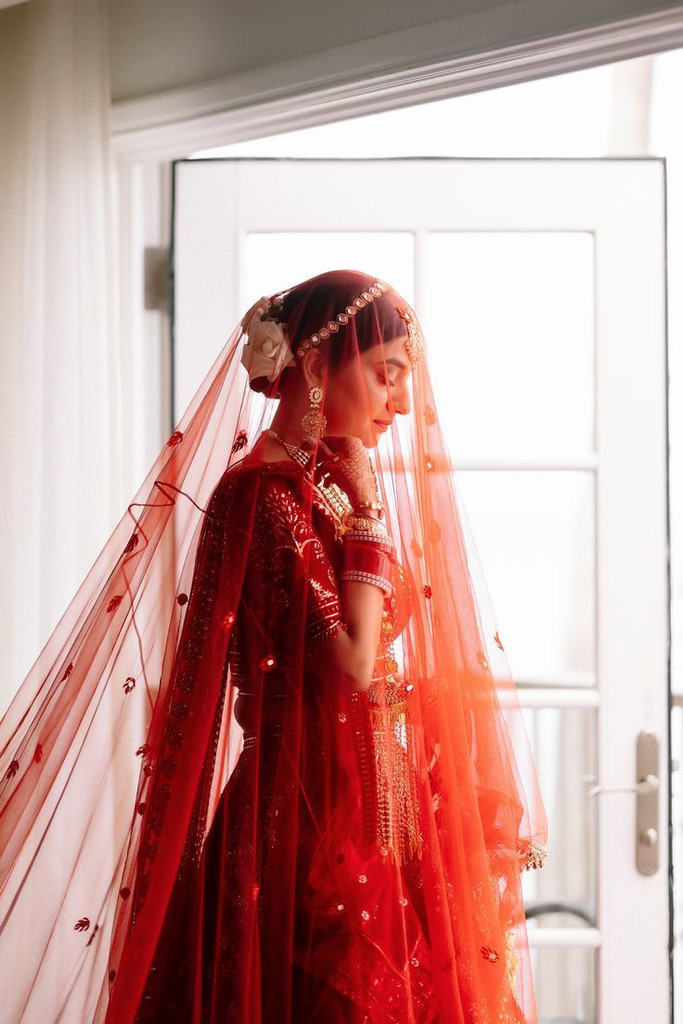
The traditional Indian bridal look is a breathtaking synthesis of culture, art, heritage, and emotion. Across the vast expanse of the Indian subcontinent, a bride is not merely dressed for an event; she is adorned as a manifestation of grace, prosperity, and divine feminine energy (Shakti). From the deep crimson silks of the South to the architectural zardozi lehengas of the North, the modern Indian wedding scene honors centuries-old craftsmanship while embracing contemporary elegance.
Whether you are planning your own wedding, curating an editorial look, or diving deep into South Asian fashion heritage, this comprehensive guide covers every aspect of creating the ultimate traditional Indian bridal look.
1. Choosing Your Bridal Outfit & Color Palette
The core of any bridal look starts with the garment. While classic scarlet and crimson have long dominated, modern bridal palettes span a rich spectrum of regional and contemporary tones.
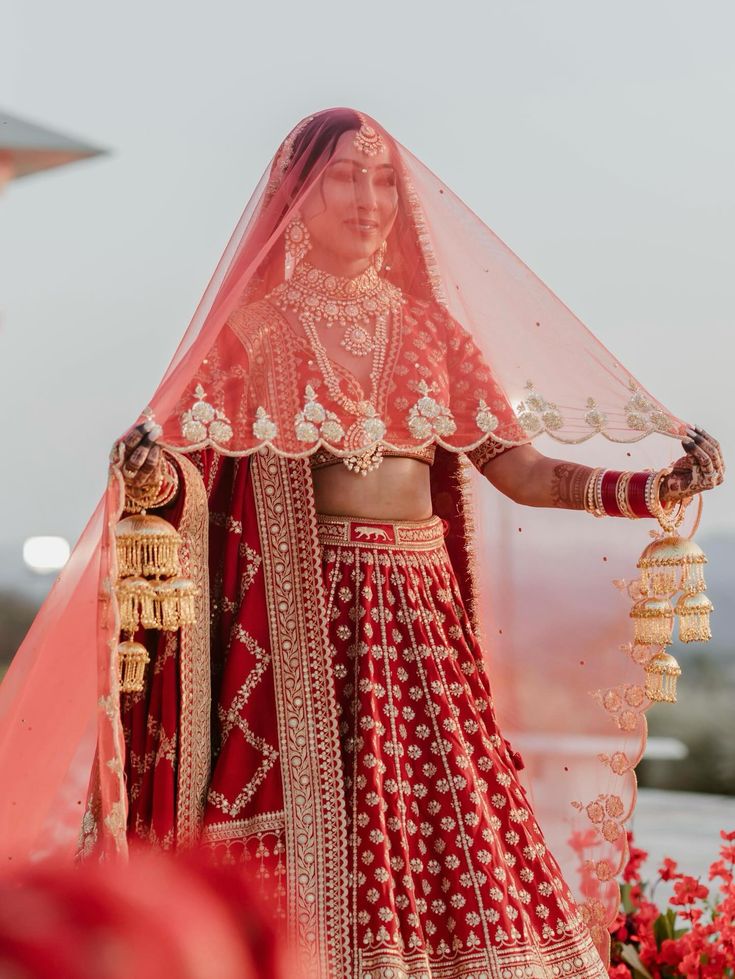
Classic Heritage Reds & Deep Jewel Tones
For generations, red, maroon, and deep wine have been the quintessential bridal hues. Rooted in tradition, red symbolizes passion, prosperity, and new beginnings. These rich tones pair impeccably with heavy gold embroidery, antique zardozi work, and uncut polki jewelry, creating an aura of timeless majesty.
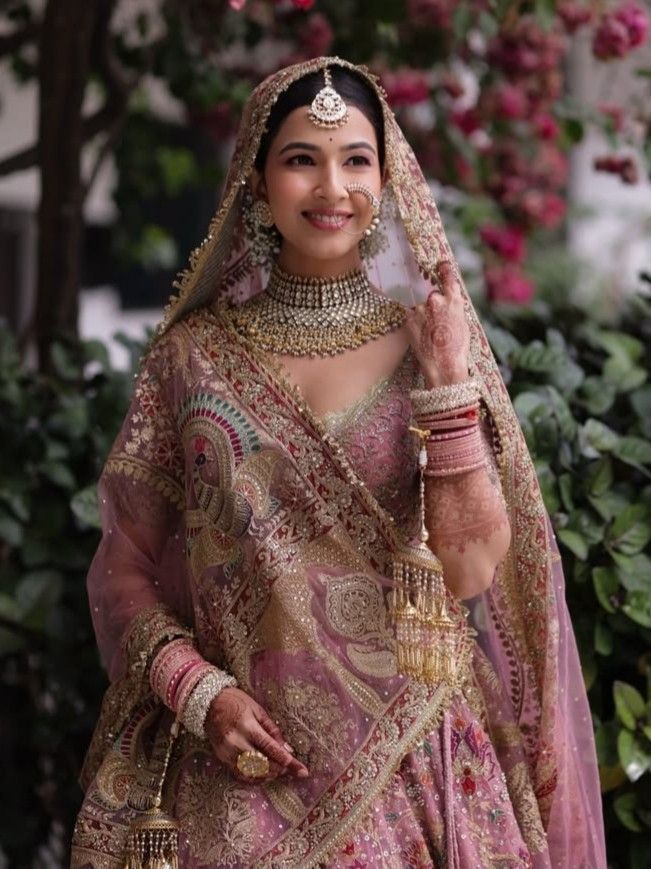
The “Old Money” Aesthetic & Pastels
In recent seasons, a shift toward understated luxury—often termed the “old money” aesthetic—has taken center stage. Brides are increasingly choosing ivory, champagne, dusty rose, mint green, and soft gold. Rather than relying on heavy sparkle, these looks prioritize heritage textiles like handwoven tissue silk, Kanjivarams, and archival block prints, letting craftsmanship and drape do the talking.
Popular Bridal Silhouettes
- The Classic Circular & Panel Lehengas: Offering rich volume and structured grace, lehengas remain the preferred choice for major wedding ceremonies.
- The Handloom Saree: From heavy Banarasi brocades to traditional Kanjivarams and Chanderi drapes, sarees celebrate India’s deep-rooted textile heritage. Pre-draped and corset-style saree variations have also become immensely popular for contemporary ease.
- Peplum & Garara Sets: Perfect for sangeet or pre-wedding functions, offering playful movement and regal flair.
2. The Anatomy of Traditional Bridal Jewelry
No Indian bridal look is complete without its iconic ornaments. Each piece carries deep cultural and symbolic meaning, working together to frame the bride in regal splendour.
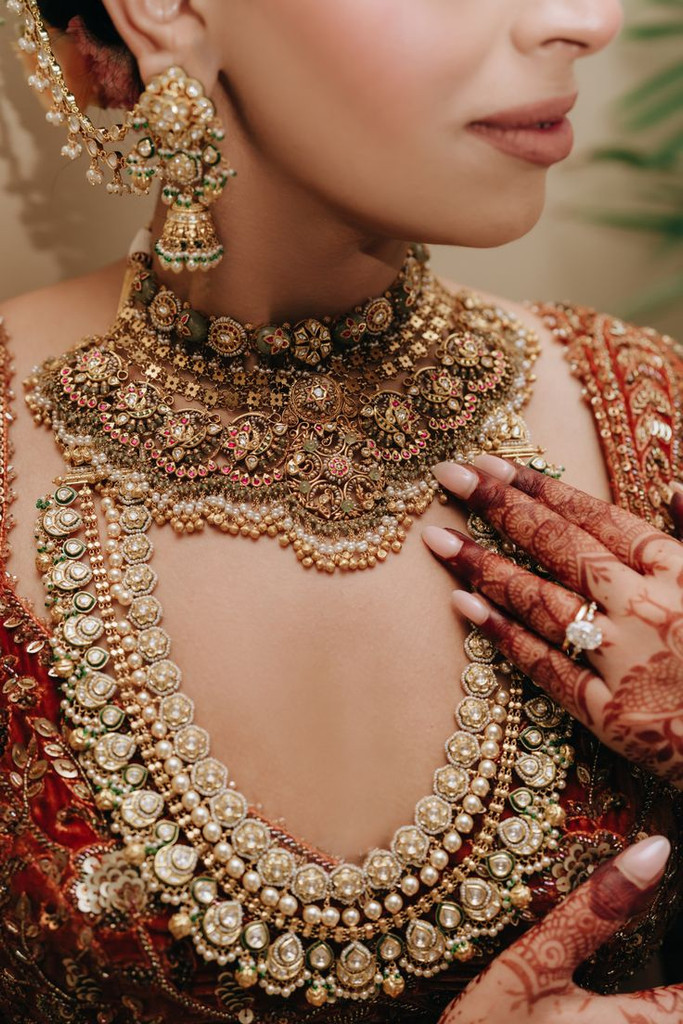
The Necklace Stack (Choker & Rani Haar):
The hallmark of bridal jewelry is layering. Brides typically wear a snug choker at the base of the neck paired with a longer rani haar or haram cascading down the chest. This dual-length layering creates a magnificent, well-proportioned focal point.
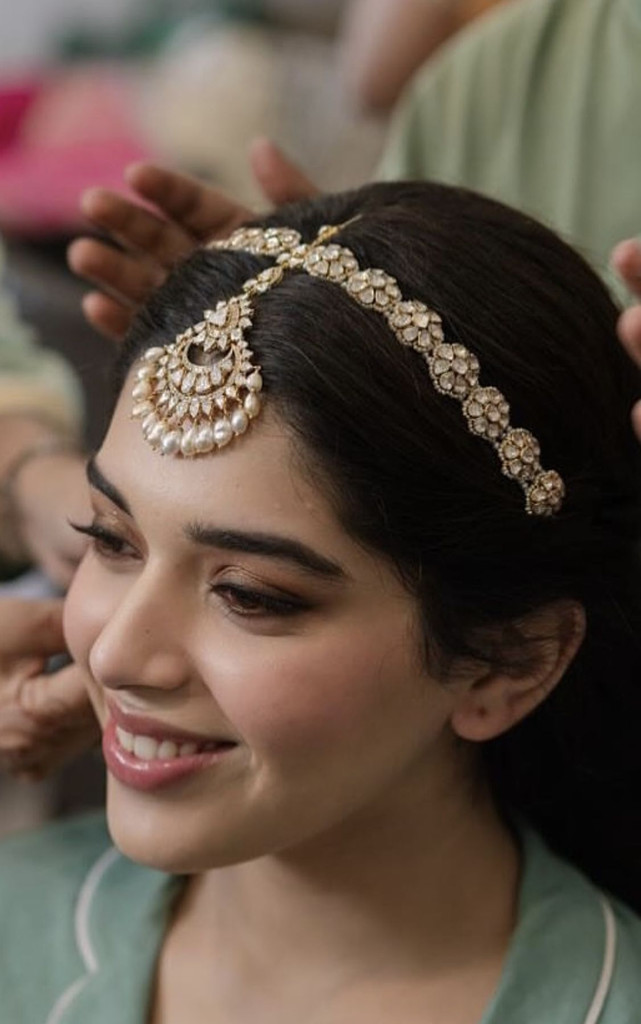
Maang Tikka & Matha Patti:
Resting right along the central parting of the hair, the maang tikka or elaborate matha patti frames the face with divine symmetry, drawing attention to the eyes and forehead.
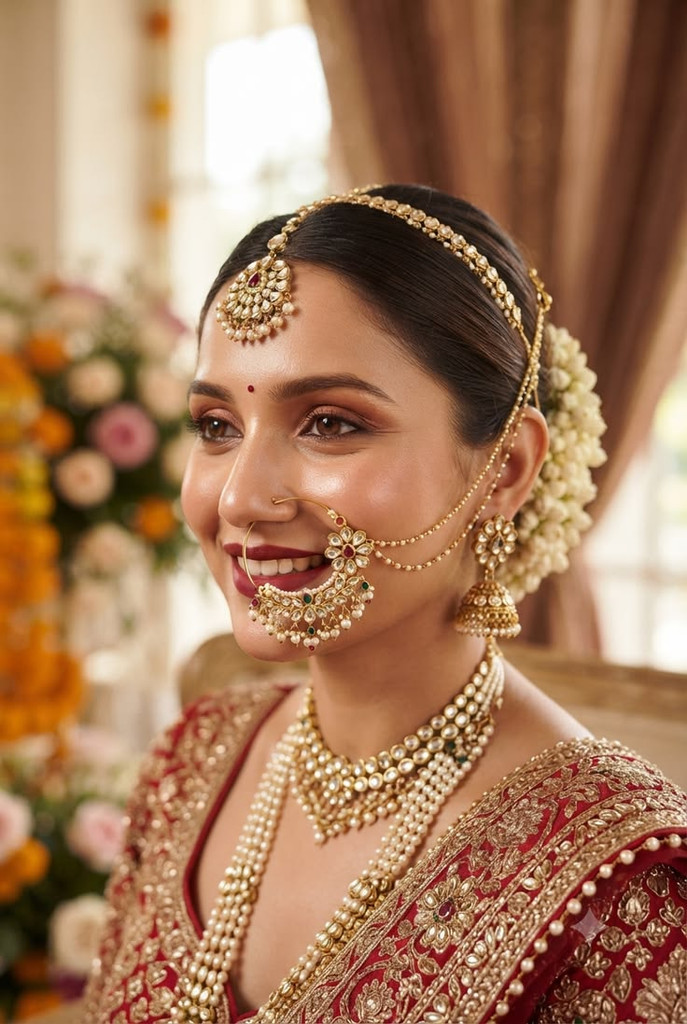
The Nath (Nose Ring):
Whether it is a delicate hoop or a dramatic, chain-linked regional statement piece (such as the Maharashtrian paisley nath or large Punjabi/Rajasthani rings), the nath instantly transforms the bridal persona with timeless drama and cultural depth.
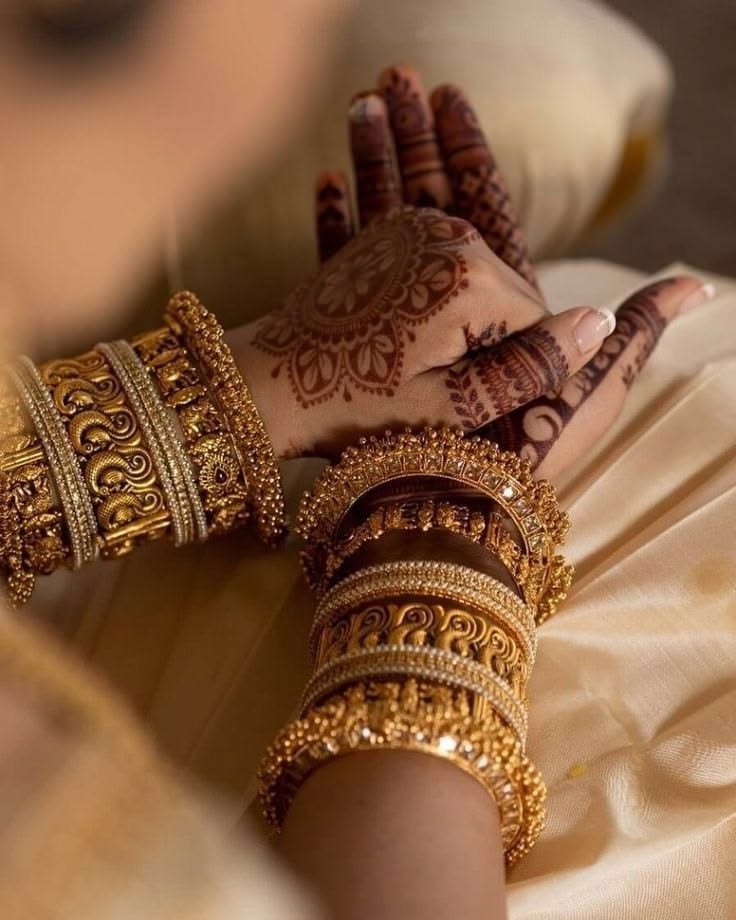
Bangles and Kadas:
Stacks of glass, lac, or gold bangles—flanked by ornate kadas—symbolize prosperity and marital bliss. Their melodic clinking is an integral soundscape of Indian wedding rituals.
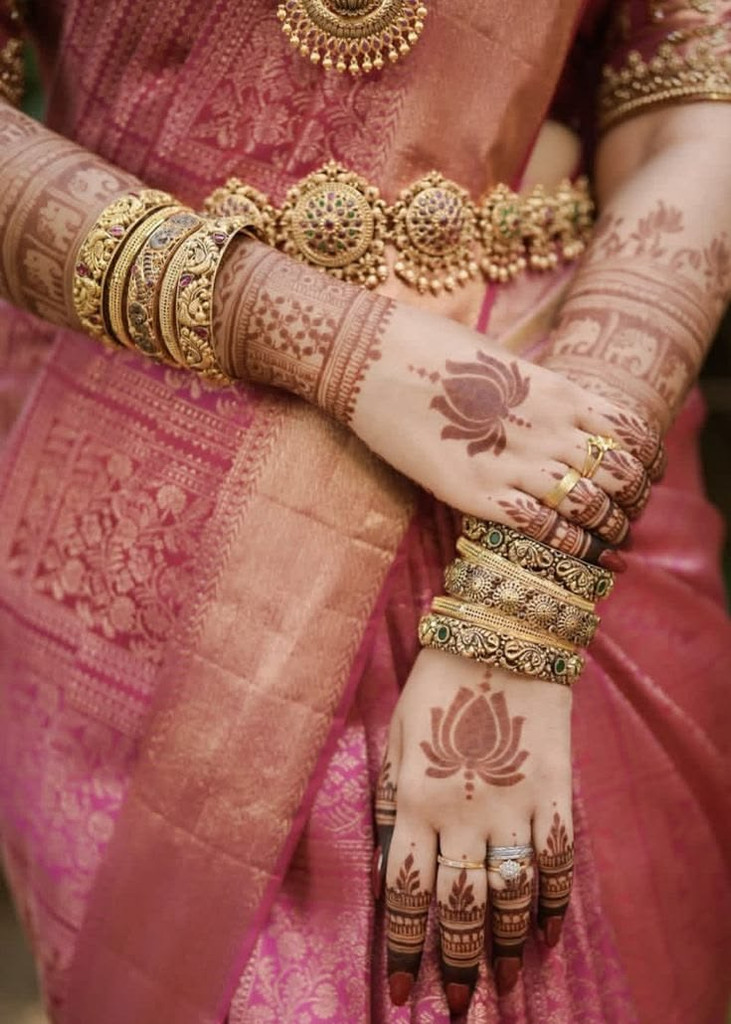
Hathphool (Panja) & Kamarbandh (Waist Belt):
The hathphool links rings to a wrist bracelet across the back of the hand, highlighting intricate mehendi designs. Meanwhile, the kamarbandh or South Indian oddiyanam cinches the waist, providing both structural support for heavy drapes and a striking silhouette.
3. Regional Bridal Styles Across India
India’s cultural diversity means that a “traditional look” varies vastly from one region to another. Here is how brides style themselves across different states:
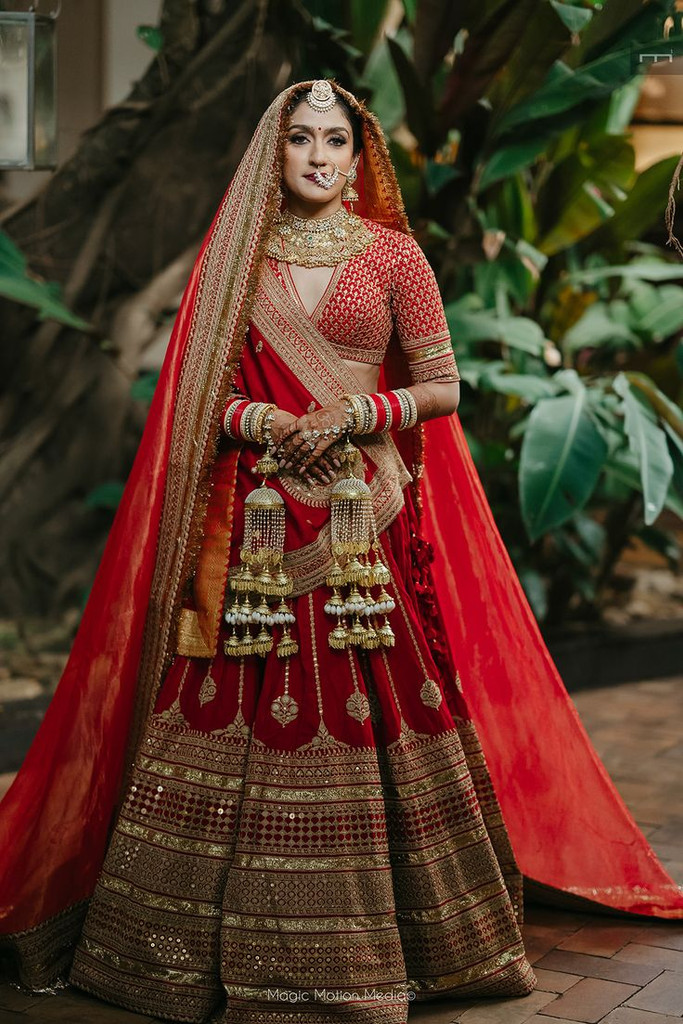
1. North Indian Bridal Look (Punjab, Delhi, Haryana)
- The Outfit: Heavy embroidered red or pink lehenga featuring intricate zardozi, dabka, or gota-patti work, paired with a double dupatta drape.
- Jewelry: Statement polki or kundan choker sets, a large maang tikka, elaborate kaleere tied to the bangles, and a prominent nose ring.
- Vibe: Grand, vibrant, and cinematic.
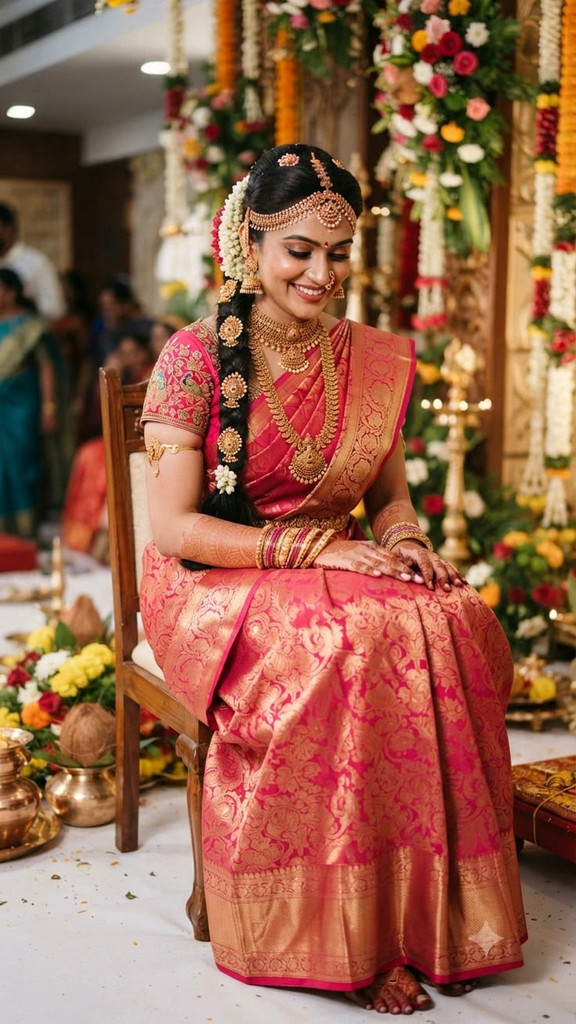
2. South Indian Bridal Look (Tamil Nadu, Kerala, Karnataka, Andhra Pradesh)
- The Outfit: A luminous handwoven Kanjivaram silk saree in rich tones of gold, temple red, mango yellow, or emerald green, featuring pure silver zari brocade. Kerala brides traditionally wear the iconic Kasavu saree (off-white with a gold border).
- Jewelry: Temple jewelry crafted in gold featuring depictions of deities, heavy oddiyanam waist belts, long mango malai necklaces, and fresh jasmine gajra woven into a long braid.
- Vibe: Graceful, temple-inspired, and deeply traditional.
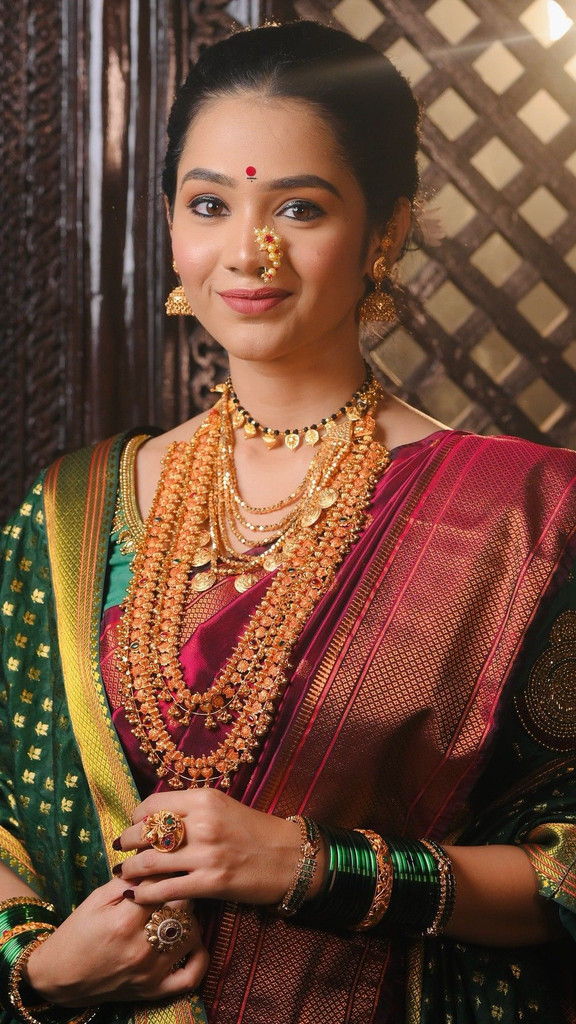
3. Maharashtrian Bridal Look
- The Outfit: A vibrant Paithani or Ilkal saree—often in bright yellow, green, or sunshine gold—draped in the traditional nine-yard (Nauvari) style.
- Jewelry: The iconic crescent-shaped Chandrakor bindi, Mundavalya (pearl forehead string), green glass bangles (Patlya and Tode), and a traditional paisley Nath.
- Vibe: Sophisticated, sharp, and culturally distinct.
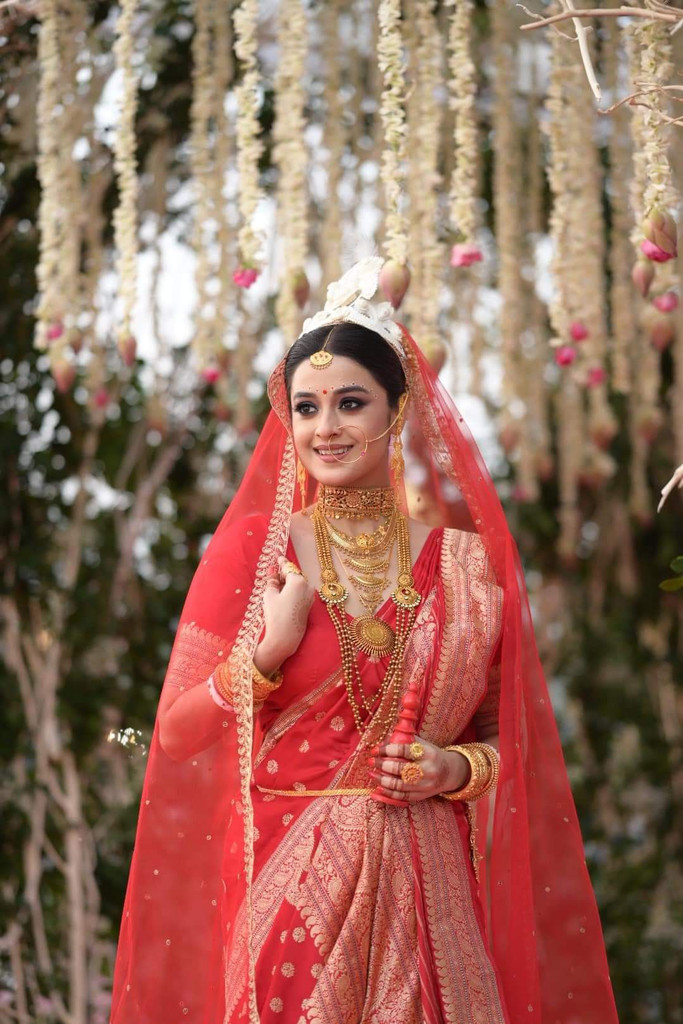
4. Bengali Bridal Look
- The Outfit: A classic red or maroon Banarasi silk saree adorned with fine gold zari work, paired with a traditional red and white alta design painted on the hands and feet.
- Jewelry: Traditional gold necklaces, chik (choker), bala bangles, and the iconic Mukut (bridal crown) worn on the head.
- Vibe: Ethereal, artistic, and deeply poetic.
4. Hair, Makeup, and Grooming
Bridal beauty focuses on accentuating natural features while maintaining longevity throughout long ceremonies and photography sessions.
- The Hair: Classic styles include a sleek or textured low bun adorned with fresh fragrant jasmine flowers (gajra), or a long, voluminous braid intertwined with gold ornaments and ribbons.
- The Makeup:
- For Traditional Heavy Looks: Bold, defined eyes with rich kajal, shimmering warm-toned eyeshadow (bronzes, golds, or deep maroons), flawless HD foundation, sculpted contour, and a classic red or berry lipstick.
- For Pastel / Old Money Looks: Soft, glowing dewy skin, neutral peach or pink lips, feathered brows, and subtle champagne eye shimmer.
- Nails & Hands: Intricate mehendi (henna) patterns covering the hands and feet, complemented by vibrant nail polish or classic French manicures depending on the outfit palette.
Pro Tips for the Bride:
- Balance the Weight: If your lehenga or saree is exceptionally heavy with dense zardozi embroidery, opt for a balanced jewelry set that doesn’t strain your neck or shoulders. Conversely, if your textile is a lightweight tissue silk, let a magnificent heirloom necklace take center stage.
- Break in Your Shoes: Traditional wedding footwear (like embellished juttis or mojaris) should be broken in weeks before the wedding to ensure comfort during long hours of standing and dancing.
- Coordinate with the Groom: While matching color palettes is popular, a harmonious contrast (such as an ivory bride paired with a rich sherwani, or a red bride with an off-white/gold groom ensemble) creates stunning wedding photography.
- Prioritize Comfort: Remember that you will be wearing this look for 8 to 12 hours. Ensure blouse fittings allow for easy breathing, and use pin security for dupattas and heavy drapes so you can move with absolute confidence.
Conclusion:
The traditional Indian bridal look is much more than fashion—it is a living heritage passed down through generations. Whether you lean toward the regal grandeur of a North Indian crimson lehenga, the serene gold-and-silk grace of a Kanjivaram, or the subtle minimalism of an ivory tissue saree, the true magic of the bridal look comes from the poise, joy, and confidence with which you carry it. Embrace your heritage, personalize your details, and step into your new chapter feeling like royalty.
FAQs:
A. Not at all! While red remains the most culturally traditional color representing prosperity, modern Indian brides freely choose ivory, champagne, pastel pinks, deep emerald greens, and rich jewel tones that match their personal style and wedding theme.
A. Heavy jhumkas and necklaces can cause fatigue over long ceremonies. Look for earrings that feature supportive kaan chains (which hook into the hair to lift weight off the lobe), and opt for lightweight hollow gold or well-balanced polki pieces where possible.
A. Polki jewelry is crafted using uncut, natural diamonds set in pure 24k gold, giving it a raw, regal, vintage glow. Kundan jewelry, on the other hand, uses glass stones or polished gems set in gold foil with intricate colored enamel work (meenakari) on the reverse side.
A. Invest in high-performance HD or airbrush makeup applied by a professional artist using sweat-resistant primers and setting sprays. Keep a small touch-up kit on hand containing translucent powder, blotting sheets, and your exact bridal lipstick shade for quick touch-ups between rituals.

Loknath Das runs FastNewsFeed. He works in digital marketing and has a background in computer IT, with a strong interest in fintech. He writes mainly about finance, technology and news, and oversees the site's editorial standards. He also covers health topics; he is not a medical professional, and health articles are based on published medical sources.