
Pumice Stone for Cracked Heels: Benefits, How to Use It Safely
Last updated:
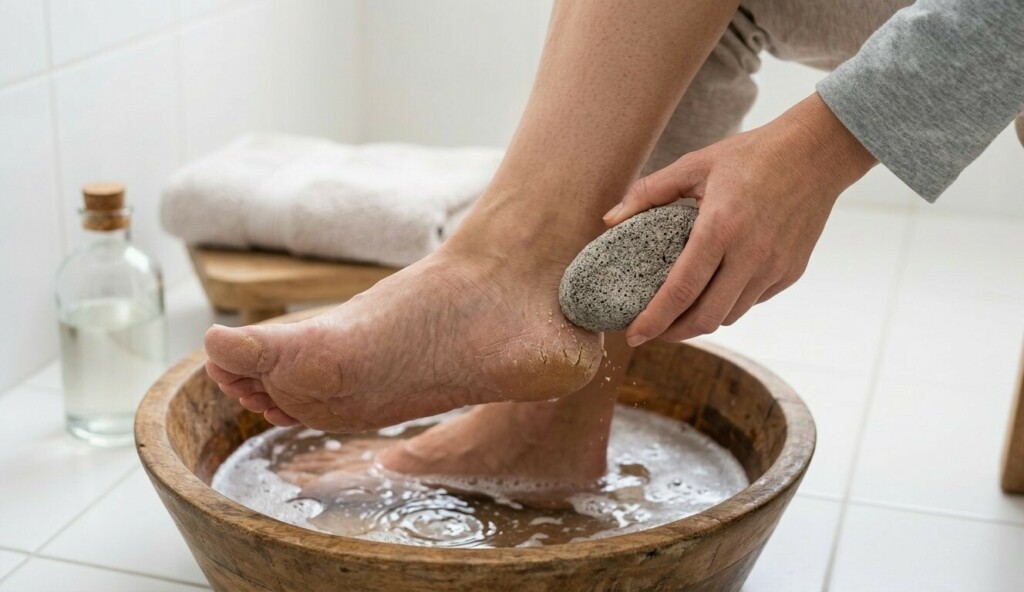
Cracked heels are a common foot-care concern that can make the skin on your feet feel rough, dry, and uncomfortable. When the skin around the heels becomes excessively dry and thick, it can develop small fissures that may become painful or even bleed.
One simple home-care tool often recommended for removing excess dead skin is a pumice stone for cracked heels. When used gently and correctly, a pumice stone can help smooth thick, hardened skin. However, it should not be used aggressively or on open wounds. Effective heel care also requires regular moisturizing and protection of the skin.
What Is a Pumice Stone?
A pumice stone is a lightweight, porous piece of volcanic rock commonly used as a physical exfoliant. Its rough surface can help remove some of the thick, dead skin associated with calluses and rough heels.
Dermatologists recommend gently filing hardened skin with a pumice stone after softening it, while cautioning against removing too much skin because excessive filing can cause bleeding and increase the risk of infection.
For cracked heels, the goal should not be to make the skin completely smooth in one session. Instead, think of pumice-stone use as one part of a broader foot-care routine.
Can a Pumice Stone Help Cracked Heels?
Yes, a pumice stone can help with the thick, hard skin surrounding cracked heels, particularly when dryness and callus buildup are contributing to the problem.
It works by mechanically exfoliating some of the outer layer of dead, hardened skin. This can make the heel feel smoother and may allow moisturizers to work more effectively on the dry skin.
Benefits of Using a Pumice Stone for Cracked Heels
Used properly, a pumice stone may offer several benefits:
- Removes excess dead skin: It can reduce some of the thick, rough skin that develops around the heel.
- Smooths rough texture: Regular, gentle exfoliation can make heels feel softer.
- Helps manage calluses: Pumice stones are commonly used to gently file callused skin.
- Supports a foot-care routine: Combined with moisturizing, gentle exfoliation can help maintain smoother feet.
- Easy to use at home: A pumice stone is inexpensive and does not require complicated equipment.
It is important to remember that more exfoliation is not necessarily better. Removing too much skin can cause irritation, bleeding, and potentially infection.
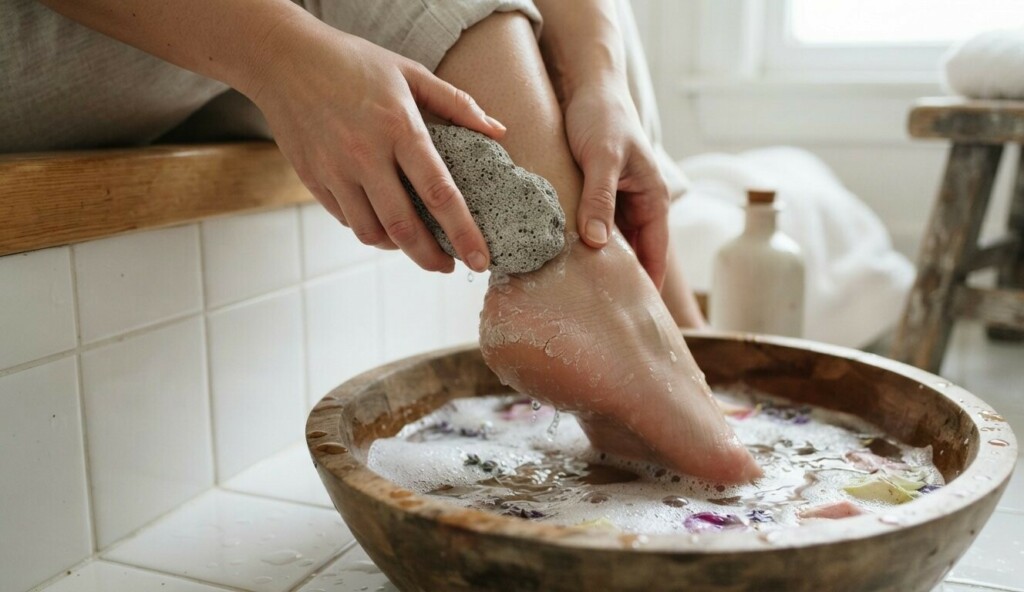
How to Use a Pumice Stone for Cracked Heels
Follow these steps to use a pumice stone safely.
1. Clean Your Feet
Wash your feet with lukewarm water and a gentle cleanser. Avoid very hot water and prolonged soaking, as excessive bathing can contribute to dry skin.
2. Soften the Hard Skin
A short shower or bath can soften thick skin. You do not necessarily need a separate foot soak. Moisture can soften cracked heels and calluses, making them easier to work on with a pumice stone.
3. Wet the Pumice Stone
Dip the pumice stone in water before use. This can make the process gentler and help the stone glide over softened skin.
4. Gently File the Thick Skin
Use light pressure and small circular or sideways motions over areas of thick, hardened skin. Concentrate on callused areas rather than aggressively rubbing directly into cracks.
5. Stop if the Skin Becomes Painful
Pumice-stone use should not cause significant pain, burning, or bleeding. If the skin becomes tender or irritated, stop exfoliating.
Do not try to remove every bit of rough skin in one session. Gradual improvement is safer than aggressive filing.
6. Moisturize Immediately
After gently filing, rinse and pat your feet dry. Apply a thick moisturizer while the skin is still slightly damp.
For cracked heels, dermatologists recommend moisturizers containing ingredients such as urea. Petroleum jelly can also be applied before bedtime to help lock in moisture.
7. Wear Socks at Night
Applying petroleum jelly or a rich foot cream before bed and wearing cotton socks can help keep the moisturizer against the skin overnight. This is particularly useful when heels are very dry.
How Often Should You Use a Pumice Stone?
There is no need to use a pumice stone aggressively every day. The frequency should depend on how thick and rough your skin is and how your feet respond.
A gentle approach is generally preferable. If your skin becomes red, sore, tender, or irritated, stop exfoliating and concentrate on moisturizing until it recovers.
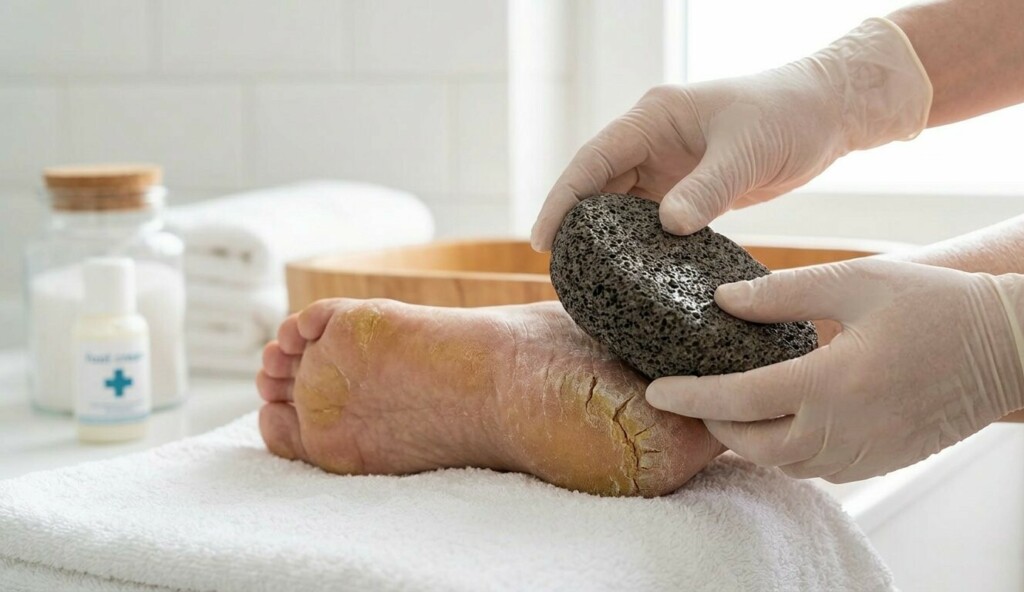
When Should You Avoid a Pumice Stone?
Do not use a pumice stone over open wounds, bleeding cracks, sores, inflamed skin, rashes, or areas that are painful or infected.
Aggressive exfoliation when there is inflamed, itchy, sensitive, or broken skin because mechanical exfoliation can make the problem worse.
If you have diabetes or another condition that affects circulation, sensation, or wound healing, it is especially important to seek professional advice before treating significant cracks yourself.
Final Thoughts:
A pumice stone for cracked heels can be a useful part of a regular foot-care routine when used gently. It can help reduce thick, rough, dead skin and improve the texture of the heels. However, exfoliation should never replace moisturization.
FAQs:
Q. Is a pumice stone good for cracked heels?
A. Yes, a pumice stone can help remove excess thick, dead skin around cracked heels. However, it should be used gently and combined with regular moisturizing. It should not be used directly on open or bleeding cracks.
Q. Should I soak my feet before using a pumice stone?
A. You can use a pumice stone after a short shower or bath when the hardened skin has softened. A long foot soak is not necessary and may contribute to dryness if done excessively.
Q. Can a pumice stone remove deep heel cracks?
A. A pumice stone can reduce surrounding callused skin, but it cannot repair deep fissures by itself. Deep cracks require moisturizing, protection, and sometimes professional medical treatment.
Q. Can I use a pumice stone every day?
A. Daily aggressive exfoliation is not recommended. Excessive filing can irritate the skin or remove too much protective tissue. Use it gently and focus on maintaining healthy skin with regular moisturization.
Q. What is the best moisturizer after using a pumice stone?
A. A thick foot cream containing urea can be particularly useful for dry, rough heels. Petroleum jelly is another option for locking in moisture, especially overnight.
Q. Why do my heels keep cracking even after exfoliating?
A. Exfoliation addresses hardened surface skin but does not necessarily address the cause of persistent dryness. Frequent exposure to dry conditions, unsuitable footwear, or certain skin conditions can contribute to recurring cracks. A healthcare professional should evaluate persistent or severe cracking.
Q. Can I use a pumice stone on bleeding heels?
A. No. Avoid pumice stones on bleeding, open, or broken skin. Exfoliation can further damage the area and increase the risk of infection.

Amit Bose is a BA student studying journalism. He follows online news closely and runs a news page on Facebook. At FastNewsFeed, he covers news and current events, and also writes on finance, beauty and lifestyle topics using published sources.