
All You Need To Know About Artificial Intelligence Camera
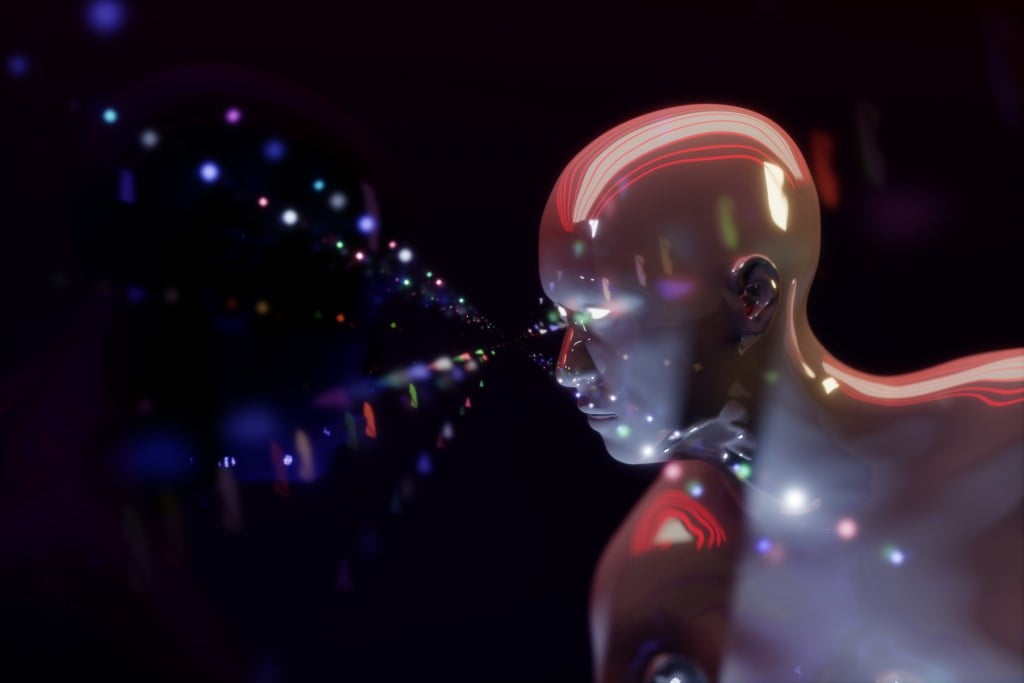
Today, almost everything feels like a photo shoot. We take selfies, shoot videos, scan documents, record memories, and share content every day. At the same time, cameras are everywhere—on streets, in stores, in offices, and even inside homes.
Now the camera is no longer “just a camera.”
In 2026, cameras have become smarter because of Artificial Intelligence (AI). AI helps cameras recognize scenes, detect faces, improve lighting, and create better images automatically.
In this detailed guide, you will learn:
✅ What an Artificial Intelligence camera is
✅ How AI cameras work
✅ Features of AI cameras in smartphones and devices
✅ Benefits and limitations
✅ Real-life uses of AI cameras in 2026
✅ Privacy and safety concerns you should know
Let’s get started.
What Is Artificial Intelligence (AI)?
Artificial Intelligence (AI) is a technology that helps machines act “smart.”
AI allows a system to:
learn from data
recognize patterns
make decisions
improve performance over time
Instead of following only fixed instructions, AI learns from examples. That’s why it can recognize faces, understand objects, and predict outcomes.
AI has become a core part of modern devices like smartphones, smart assistants, and surveillance systems.
What Is an Artificial Intelligence Camera?
An Artificial Intelligence camera is a camera that uses AI to improve images and videos automatically.
It does more than capture a photo. It also:
✅ understands what you are photographing
✅ adjusts settings instantly
✅ improves clarity, lighting, and color
✅ enhances portraits and faces
✅ reduces noise in low light
So, an AI camera makes photography easier for everyone—even if you don’t know professional camera settings.
Why AI Cameras Became Popular
A few years ago, only professional cameras could produce sharp photos in difficult lighting.
Now smartphones and smart cameras can do similar work because AI handles the hard part.
AI cameras became popular because they:
save time
improve photo quality
work automatically
help beginners take better pictures
That’s why most modern phones and camera devices now mention AI features.
How Does an AI Camera Work?
An AI camera works in two stages:
1) Training Stage
First, developers train the AI model.
They feed the system thousands or millions of photos like:
food
pets
mountains
flowers
faces
night scenes
documents
text boards
Then the AI learns patterns in each category.
This process uses deep learning techniques and neural networks.
2) Real-Time Stage
Now the trained model comes inside your phone or camera software.
When you open the camera and point it at something, the AI instantly:
✅ identifies the subject
✅ chooses a scene mode
✅ adjusts brightness
✅ controls HDR
✅ balances colors
✅ sharpens the photo
This happens in seconds. Sometimes it happens even before you press the shutter button.
Core Features of Artificial Intelligence Camera
AI cameras offer powerful features in 2026. Let’s explore the most common ones.
1) Scene Recognition
Scene recognition is one of the biggest AI camera features.
Your phone detects the scene automatically, such as:
landscape
sunset
food
night view
greenery
beach
pets
text/document
Then it changes the settings to match the scene.
✅ Example: If you point the camera at food, it boosts colors and sharpness.
2) Automatic Exposure and Light Adjustment
Lighting changes quickly. AI helps cameras react instantly.
AI adjusts:
brightness
shadows
contrast
highlights
So your photos look balanced even in difficult lighting.
✅ This feature helps especially during:
nighttime photos
indoor lighting
direct sunlight
3) AI Portrait Mode
Portrait mode became popular because it makes photos look professional.
AI detects:
✅ face shape
✅ eyes and lips
✅ skin tone
✅ hair edges
Then it blurs the background and keeps your face sharp.
Many devices also improve skin smoothness naturally.
4) AI Beauty Mode
Most smartphone brands include beauty mode. In 2026, AI beauty mode looks more natural.
AI can:
reduce minor blemishes
smooth skin
brighten under-eye areas
balance skin tone
✅ Tip:
Use beauty mode lightly. Too much makes photos look fake.
5) Low-Light Photography
Night photos used to look grainy. AI fixes that by combining image processing with computational photography.
AI can:
reduce noise
improve sharpness
brighten dark areas
maintain real colors
That’s why modern phones now capture impressive night shots.
6) AI HDR
HDR helps balance bright and dark areas.
AI HDR:
✅ protects sky details
✅ keeps the face bright
✅ avoids overexposure
✅ improves overall color accuracy
This works best in outdoor sunlight.
7) Object Detection and Focus Tracking
AI cameras can detect objects like:
people
cars
animals
moving subjects
Then the camera tracks focus automatically.
✅ This is perfect for:
kids photography
sports
pet photos
action videos
8) AI Stabilization for Video
Video stability matters a lot, especially for reels and vlogs.
AI stabilization reduces shaky movement so videos look smooth.
This feature is useful while:
walking
traveling
recording handheld videos
9) AI Filters and Smart Editing
In 2026, AI cameras do editing automatically.
They add:
color correction
sharpening
tone balance
auto enhancement
Some devices even suggest the best edits instantly.
Artificial Intelligence Camera Uses in Real Life
AI cameras are not limited to smartphones. Many industries use them now.
1) Smartphones and Social Media
This is the most common use.
AI cameras help people create:
Instagram reels
YouTube videos
selfies
travel shots
product photos
AI makes content creation easier than ever.
2) Home Security Cameras
Smart cameras now detect:
✅ human movement
✅ pets
✅ suspicious behavior
✅ package delivery
These cameras reduce false alerts by using AI detection.
3) Traffic and CCTV Monitoring
Cities use AI cameras for:
traffic control
accident detection
rule violations
monitoring crowded areas
However, this also raises privacy questions, which we’ll cover soon.
4) Retail and Stores
AI cameras help stores with:
customer movement tracking
theft detection
queue monitoring
Retail uses AI to improve efficiency and security.
5) Healthcare and Labs
AI cameras assist in:
scanning medical reports
detecting patterns in imaging
supporting diagnosis workflows
Still, doctors always make the final decision.
Benefits of an Artificial Intelligence Camera
Here are the top advantages of AI cameras in 2026:
✅ Better photos without effort
✅ Faster automatic adjustments
✅ Cleaner night photography
✅ Professional portrait shots
✅ Easy for beginners
✅ Great for social media creators
✅ Helps with security detection
AI cameras improve results with less manual work.
Limitations of AI Cameras
AI cameras are powerful, but they are not perfect.
❌ sometimes they over-brighten photos
❌ beauty modes may remove natural skin texture
❌ scene detection can make wrong guesses
❌ aggressive processing can look unnatural
❌ low-end phones may lag
So, even in 2026, you should use AI settings carefully.
AI Cameras and Privacy Concerns
AI cameras can recognize faces and track movement. That’s useful, but it also creates privacy risks.
Concerns include:
surveillance misuse
unauthorized recording
data storage issues
hacking risks in smart cameras
✅ Safety tips:
use strong passwords
enable two-factor authentication
update firmware regularly
turn off camera access for unnecessary apps
cover cameras when not needed (optional)
Best Tips to Use AI Camera Like a Pro
Want better photos with AI cameras? Follow these tips:
✅ clean your camera lens
✅ tap to focus on the main subject
✅ use portrait mode in good light
✅ don’t overuse beauty filters
✅ try night mode only when needed
✅ use HDR outdoors for better skies
✅ keep steady for sharp shots
Small changes make your photos look much better.
Conclusion
An Artificial Intelligence camera is a smart camera system that uses AI to improve photos and videos automatically. It detects scenes, adjusts settings, enhances portraits, and boosts image quality—even in low light.
In 2026, AI cameras help:
✅ smartphone users
✅ content creators
✅ home security systems
✅ traffic monitoring
✅ retail stores and businesses
AI has made photography easier, faster, and more professional for everyone.
FAQs:
Q. What is an AI camera?
A. An AI camera uses artificial intelligence to detect scenes and automatically improve photo settings like brightness, color, sharpness, and focus.
Q. Do AI cameras work without internet?
A. Yes. Most AI camera features work offline because the trained model runs inside the device.
Q. Which is better: normal camera or AI camera?
A. AI camera is better for beginners because it improves photos automatically. Normal camera gives more manual control for professionals.
Q. Is AI camera safe for privacy?
A. It can be safe if you protect your device settings, use secure passwords, and avoid unknown apps with camera access.