
Key Considerations Before Signing a Home Warranty Agreement
Understanding Home Warranties
A home warranty is a service contract that provides homeowners with peace of mind by covering the repair or replacement costs of essential home systems and appliances as they deteriorate from everyday use. These contracts can be especially helpful for those new to homeownership or investing in unique property markets, such as Costa Rica real estate. Unlike homeowners’ insurance, which is meant to safeguard against losses from unexpected catastrophes, home warranties focus specifically on mechanical breakdowns and the normal wear and tear that many devices and systems experience over time.
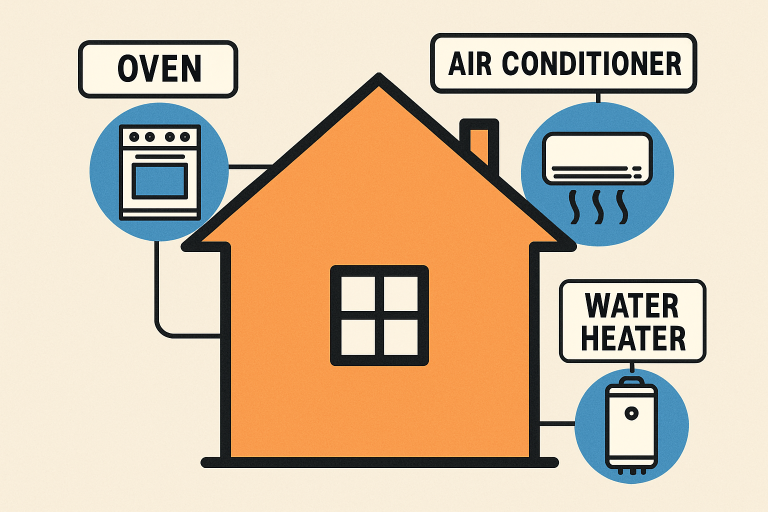
Before purchasing a plan, it’s vital to distinguish between the types of protection offered. While insurance covers damage from events such as fires or flooding, a home warranty helps homeowners manage everyday failures, like a malfunctioning oven or air conditioning unit, with less hassle and potentially lower costs.
Assessing Coverage and Exclusions
The scope of coverage in home warranty contracts varies widely, so it’s important to carefully review what is included and what is excluded. Most standard plans provide protection for primary systems such as heating, ventilation, and air conditioning (HVAC), plumbing, and electrical infrastructure. Commonly covered appliances include ovens, dishwashers, and refrigerators. However, accessories such as garage door openers, swimming pools, and lawn sprinkler systems may require additional coverage beyond a standard policy. To avoid costly surprises, always scrutinize the contract’s details and request written clarification for any ambiguous terms.
Many homeowners make assumptions about what their warranty covers, only to discover later that critical items are excluded or require additional payments. Common exclusions can include pre-existing conditions, improperly maintained items, or specific components of larger systems.
Evaluating Costs and Fees
Budgeting for a home warranty involves more than just the visible monthly premium. According to NerdWallet’s data, the average home warranty plan costs approximately $62.33 per month. In addition, homeowners should be prepared for service fees that typically range from $65 to $150 each time a repair professional is dispatched. Understanding the combination of these recurring costs, along with the potential out-of-pocket expenses for non-covered repairs, will help you determine if this solution is right for your financial situation.
It’s prudent to compare the total annual cost of warranty coverage with the maintenance history and age of your home’s appliances and systems. In some cases, setting aside an emergency repair fund could be more cost-effective than paying for a warranty plan that may not fit your needs.
Understanding Claim Procedures
Filing a claim with a home warranty company can be straightforward or frustrating, depending on the provider’s processes and your familiarity with their requirements. Some firms ask for proof that appliances have been routinely maintained, while others may have specific steps for logging and tracking service requests. Delays can occur if you fail to provide necessary documentation or do not adhere to the proper timeline.
As a homeowner, you should clearly understand what is required to initiate a claim, how quickly service will be rendered, and whether repeat issues can be resolved efficiently. Check online portals or apps that may make managing claims easier, and review the company’s sample contracts to get a sense of their service standards.
Researching Provider Reputation
Not all home warranty providers offer the same experience, so thorough research is crucial. Investigate each candidate by examining recent reviews, consumer complaints, and professional ratings from organizations such as the Better Business Bureau. Pay attention to patterns such as frequent claim denials, unsatisfactory customer support, or long wait times for repairs. Reading in-depth reviews from longstanding users or professional critics can often reveal shortcomings or recurring issues that aren’t evident at first glance.
Consider reaching out to local real estate agents or trusted contractors for recommendations and firsthand experiences with warranty companies, as they can offer valuable insights from their encounters with a range of providers.
Considering Alternatives
Before signing a contract, weigh your options. In some households, creating a separate savings account dedicated to home repairs allows for an immediate, flexible response to breakdowns without the potential aggravation of claim denials or service delays. This may be especially useful if your appliances are new and less likely to fail soon.
If you choose to forego a warranty, make sure you budget realistically for the kinds of repairs that commonly affect homes your age and size.
Reviewing Contract Details
Reviewing the fine print before making any commitment is essential. Pay special attention to clauses about pre-existing conditions (which are rarely covered), ongoing maintenance requirements, maximum coverage limits, and cancellation policies. Understanding these terms can prevent unexpected expenses and ensure you get the coverage you expect.
Request a sample contract upfront to identify any ambiguous language or gaps in the policy, and don’t hesitate to ask for clarification before signing. Recognizing what will and will not be covered lets you avoid disappointing surprises if something goes wrong.
Making an Informed Decision
A home warranty can be a practical option for those seeking added protection against the inevitable wear and tear of household systems and appliances. Deciding whether a plan is right for you depends largely on your home’s age, the condition of your systems, your risk tolerance, and your financial preparedness to cover major repairs.
By researching your options and fully understanding the details before signing, you place yourself in a stronger position to secure cost savings, minimize stress, and protect your most important investment: your home.
