
Lesser Known Medicinal Uses Of Honey
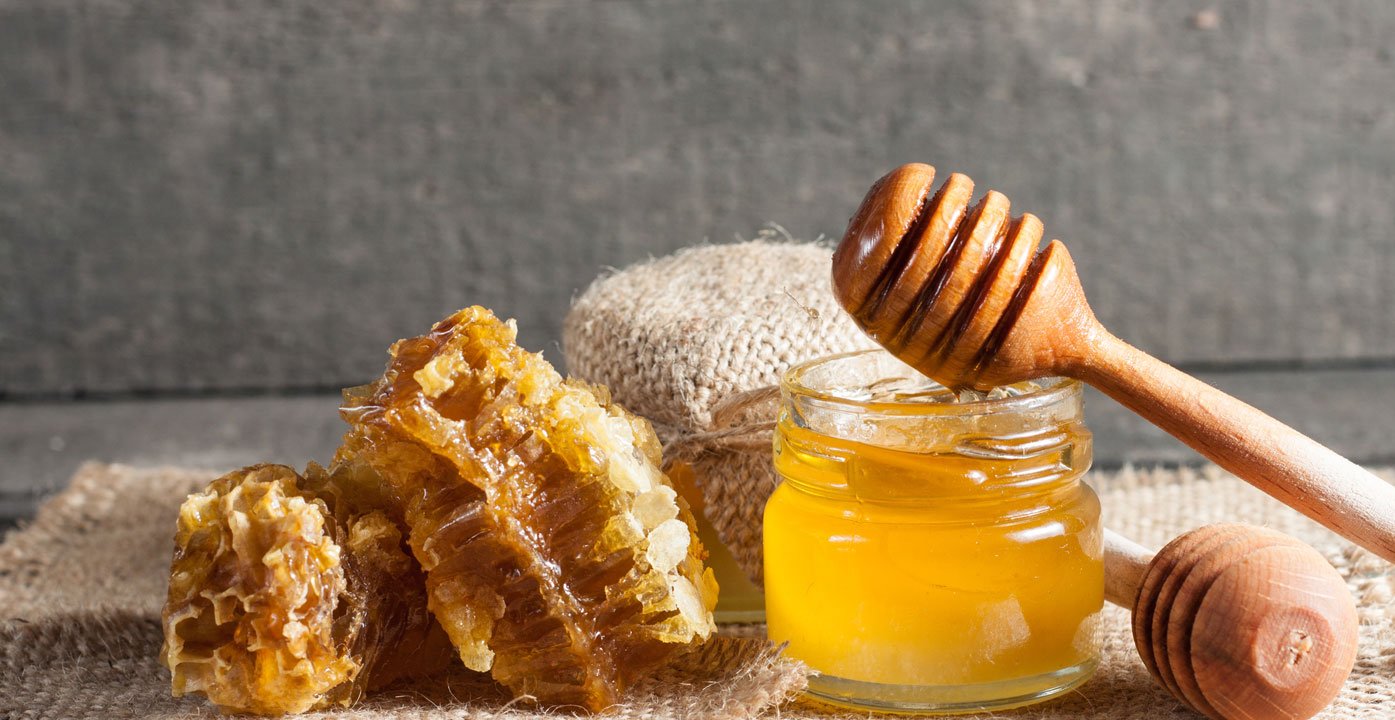
Source :- terraditoscana . co . uk
Honey is one of the oldest natural sweeteners in the world. People have used it for centuries not only as food, but also as medicine. Ancient Egyptians valued honey so much that they offered it to their gods. They also used it to dress wounds. Interestingly, modern research supports many of honey’s antibacterial and healing benefits too.
In 2026, honey remains a popular home remedy for cough, sore throat, skin problems, and minor wounds. However, many people still don’t know how powerful honey can be when used correctly.
In this well-researched, high-readability article, you will learn:
✅ Top medicinal uses of honey
✅ How honey works inside the body
✅ How to use honey safely
✅ Best type of honey for health
✅ Precautions you must follow
Let’s begin.
What Makes Honey Medicinal?
Honey contains a mix of natural compounds that support healing.
It can work because it has:
antimicrobial activity
anti-inflammatory properties
antioxidants
enzymes (like glucose oxidase) that can produce hydrogen peroxide when honey gets diluted
That’s why medical-grade honey has even been used in wound care dressings in clinical settings.
Medicinal Uses of Honey
Below are the most useful and science-backed medicinal uses of honey.
1) Honey Helps Heal Minor Wounds and Burns
Honey can support wound healing because it helps prevent bacterial growth. It also keeps the wound surface moist, which may help recovery.
Modern medical reviews explain that medical-grade honey is commonly used as a topical option for surface wounds and burns, especially to prevent or control microbial infection.
Honey also shows activity against certain drug-resistant microbes in wound settings, including MRSA, in clinical discussions and studies.
How to use (safe method)
✅ Use medical-grade honey if you want wound use.
✅ Clean the wound gently with sterile water.
✅ Apply a thin layer of honey.
✅ Cover with a clean dressing.
Important: Do not use honey on deep wounds without medical advice.
2) Honey Can Reduce Cough and Soothe a Sore Throat
One of the most popular medicinal uses of honey is cough relief.
Honey coats the throat and reduces irritation. It can also calm nighttime coughing.
A medical review published on PubMed Central reports that honey can help treat cough symptoms in children and has a good safety profile for children older than 1 year.
How to use honey for cough
Take 1 teaspoon of honey
Use it before bedtime for nighttime cough
Mix with warm water if needed
✅ Works well for both dry and wet cough.
⚠️ Never give honey to babies under 12 months due to botulism risk.
3) Honey Supports Gum Health and Helps with Plaque
Honey has antibacterial properties that may reduce harmful oral bacteria. Some studies suggest honey mouthwash can reduce plaque formation (though chlorhexidine may remain stronger).
Honey’s enzyme activity can also produce hydrogen peroxide when diluted, which adds to its antibacterial effect.
How to use (simple method)
✅ Mix 1 teaspoon honey in lukewarm water.
✅ Swish for 30 seconds.
✅ Spit out (do not swallow if used as mouthwash).
Tip: Brush after 30 minutes to prevent sugar sitting on teeth.
4) Honey May Help with Sinus Discomfort and Congestion
Sinus infections often cause mucus buildup, throat irritation, and coughing.
Honey may help by:
soothing the throat
calming cough triggers
supporting immune response
Although honey is not a “direct sinus cure,” many people feel relief because it reduces throat irritation and supports recovery comfort.
✅ Best way to use:
Mix honey with warm water or herbal tea.
5) Honey Can Help Calm Dandruff and Itchy Scalp
Honey can support scalp health because of its antimicrobial and soothing properties.
A clinical study reported that diluted honey helped reduce itching and scaling in dandruff and seborrheic dermatitis patients, with improvement seen over time.
How to use honey for dandruff
Mix honey with warm water (1:9 ratio)
Apply to scalp
Leave for 2–3 hours
Wash with mild shampoo
✅ Use once weekly.
6) Honey May Help Eczema Symptoms (Dryness + Irritation)
Eczema can cause:
itching
redness
dry patches
flaky skin
Honey can support the skin barrier because it hydrates and calms irritated areas.
Many people mix honey with olive oil or oatmeal for dry skin support. However, eczema triggers vary, so results can differ.
How to use
✅ Mix:
1 teaspoon honey
1 teaspoon olive oil
Apply to dry areas for 15 minutes. Then rinse gently.
Tip: Always patch test first.
7) Honey Supports Digestion and Gut Comfort
Honey can support digestion because it has soothing properties.
Many people use honey for:
mild acidity
digestion comfort
morning gut cleansing
How to use
✅ Mix 1 teaspoon honey in warm water.
✅ Drink in the morning.
Note: This is not a replacement for treatment of ulcers or chronic acidity.
8) Honey Provides Antioxidants That Support Immunity
Honey contains antioxidants such as polyphenols, depending on the type of honey.
Antioxidants help the body fight oxidative stress. That supports overall wellness and immune strength.
✅ Best choice:
Darker honey varieties often contain higher antioxidant levels.
9) Honey May Help Improve Sleep Quality (Indirectly)
If cough or throat dryness disrupts sleep, honey can help because it reduces throat irritation.
That indirectly improves rest.
✅ Best usage:
Take 1 teaspoon honey with warm water before bedtime (only for adults and children above 1 year).
10) Honey Can Be a Better Sweetener Choice Than Refined Sugar (In Moderation)
Honey still contains sugar. However, it also includes small amounts of bioactive compounds.
That makes it a more natural alternative than refined sugar in some cases.
Still, portion control matters.
✅ Better approach:
Use honey as a replacement for sugar in tea or breakfast instead of increasing total sweet intake.
Best Type of Honey for Medicinal Uses
Not all honey is the same.
Here are the best options:
✅ Raw honey – minimal processing
✅ Medical-grade honey – best for wounds (sterilized, regulated for medical use)
✅ Manuka honey – often studied for antimicrobial effects
Avoid honey that looks overly processed or contains added sugar syrups.
How Much Honey Should You Take Daily?
A safe general range for adults is:
✅ 1–2 teaspoons per day
If you want honey for cough support, you can take it:
✅ 1 teaspoon every 6–8 hours (if needed)
Precautions and Side Effects
Honey is natural, but you still need to use it safely.
Avoid honey if:
❌ your baby is under 12 months old (botulism risk)
❌ you have severe pollen allergies (rare reactions possible)
❌ you have uncontrolled diabetes and use it without medical guidance
Also remember:
Honey is still sugar. Overuse can increase calorie intake and affect teeth.
Quick Home Remedies Using Honey
Honey + Ginger (for cold days)
✅ Mix 1 tsp honey + a pinch of ginger juice.
Honey + Warm Water (morning drink)
✅ Mix 1 tsp honey in warm water.
Honey + Yogurt (for skin glow)
✅ Apply honey + yogurt for 10 minutes.
Conclusion:
Honey is more than a sweetener. In 2026, it remains one of the most trusted natural remedies for daily wellness.
The top medicinal uses of honey include:
✅ wound support (medical-grade honey)
✅ cough relief for kids and adults (above 1 year)
✅ plaque and gum support (as a mild mouthwash option)
✅ dandruff and scalp comfort
✅ dryness and eczema support
✅ antioxidant wellness support
Use honey consistently, but use it smartly.
FAQs:
Q. Is honey really antibacterial?
A. Yes, research supports honey’s antimicrobial activity and wound healing properties.
Q. Can honey stop a cough fast?
A. Honey can reduce throat irritation and calm cough symptoms, especially at night.
Q. Can diabetics take honey?
A. Honey still affects blood sugar. A diabetic person should take it only in small amounts and with medical advice.
Q. Which honey is best for wounds?
A. Medical-grade honey is recommended for wound dressing use because it is prepared and sterilized for clinical safety.