
An Absolute Guide to Winter Hair Care for Dandruff
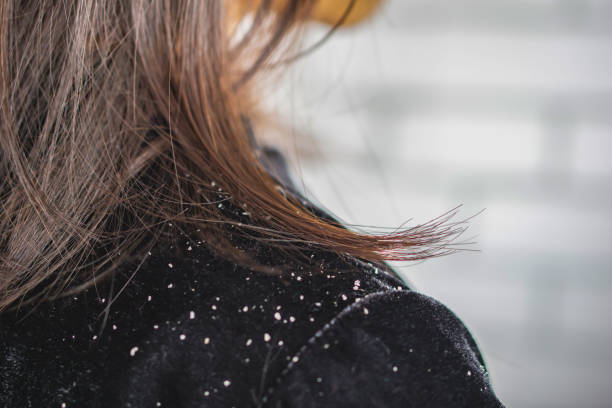
Winter can feel magical, but your scalp often disagrees. Cold air pulls moisture from your skin, and your scalp loses hydration too. As a result, you may notice itching, dryness, flakes, and even hair fall.
On top of that, indoor heating makes things worse. It dries the air and increases scalp irritation. That’s why dandruff tends to flare up during winter months.
However, you can manage it with the right routine. With consistent care, you can reduce flakes and keep your hair smooth, shiny, and healthy all season.
Let’s dive into the best winter hair care for dandruff tips for 2026.
Why Does Dandruff Get Worse in Winter?
Your scalp needs moisture to stay healthy. In winter, cold weather and hot showers strip away natural oils. Because of this, your scalp becomes dry and tight.
Then flakes show up quickly. Sometimes the scalp also gets itchy and red.
In some cases, dandruff isn’t only dryness. It can also happen due to yeast overgrowth (Malassezia), product buildup, or sensitivity to hair products. So, you need to treat the root cause instead of guessing.
Signs Your Scalp Needs Winter Care
You can spot winter dandruff easily if you notice these signs:
White flakes on the shoulders or hairline
Constant itching
Dryness and a tight scalp feeling
Greasy scalp with flaky patches
Increased hair fall while combing
Once you notice these symptoms, start scalp care immediately. Otherwise, the condition may keep returning.
Winter Hair Care for Dandruff: The Best Routine to Follow
A simple routine works better than using too many products. So, focus on scalp hygiene and hydration.
Follow this routine for better results:
Oil your scalp 2–3 times weekly
Wash your hair with a mild shampoo
Avoid hot water while rinsing
Massage your scalp regularly
Use a soothing hair mask weekly
Consistency matters the most. Even natural remedies need time to show results.
1) Try Coconut Oil for Winter Dandruff Control
Coconut oil works great during winter because it locks in moisture. It also supports scalp health with its antimicrobial properties.
Additionally, it reduces frizz and makes hair softer.
How to use coconut oil:
Take 5–6 tablespoons of coconut oil
Warm it slightly (don’t overheat)
Massage it into your scalp for 5 minutes
Apply the remaining oil to hair lengths
Leave it on for 1–2 hours
Wash it off with a gentle shampoo
Use it: 2–3 times a week
Best for: Dry scalp and frizzy hair
2) Use Castor Oil to Nourish the Scalp
Castor oil feels thick, but it moisturizes deeply. It also supports hair strength and reduces scalp dryness.
Moreover, it helps protect the scalp barrier during harsh weather.
How to use castor oil:
Take 1–2 teaspoons of castor oil
Mix it with coconut oil if it feels too heavy
Massage gently into the scalp
Leave it overnight
Wash it off in the morning
Use it: 2 times a week
Best for: Dry scalp and weak hair
3) Apply Yogurt to Balance the Scalp
Yogurt contains nutrients that soothe dryness. It also helps support a healthier scalp environment.
Plus, it makes your hair feel soft after washing.
How to use yogurt for dandruff:
Take plain, unsweetened yogurt
Apply it directly to your scalp
Leave it on for 20–30 minutes
Rinse it off with cool water
Shampoo lightly if needed
Use it: 2 times a week
Best for: Itchy scalp and mild dandruff
4) Use Aloe Vera Gel for Itching and Flakes
Aloe vera calms irritation and adds hydration. It also supports scalp healing and reduces itching.
In addition, it feels cooling and lightweight. That makes it perfect for winter scalp stress.
How to use aloe vera:
Extract gel from a fresh aloe leaf
Apply it on scalp and hair roots
Leave it for 45–60 minutes
Wash it off with mild shampoo
Use it: 2–3 times a week
Best for: Sensitive scalp and redness
5) Try Onion Juice for Tough Dandruff
Onion juice has antibacterial and antifungal properties. That’s why it often helps when dandruff keeps coming back.
However, it has a strong smell. So, use it only if you can tolerate it.
How to use onion juice:
Take 4–5 medium onions
Blend them into a paste
Strain the juice using a cloth
Apply juice to the scalp using cotton
Leave it on for 20–30 minutes
Wash with shampoo thoroughly
Use it: 1–2 times a week
Best for: Stubborn flakes and scalp buildup
Best Winter Habits to Prevent Dandruff in 2026
Home remedies help a lot. Still, daily habits decide how fast your scalp improves.
Follow these winter scalp-care tips:
Drink enough water daily
Use a scarf or cap in cold winds
Avoid scratching your scalp
Clean combs and brushes weekly
Don’t apply oil on dirty hair repeatedly
Also, reduce styling products during winter. Heavy gels and sprays create buildup and trigger flakes.
What to Avoid if You Have Dandruff in Winter
Some common winter habits can make dandruff worse. So, avoid these mistakes:
Hot showers every day
Overwashing hair with strong shampoo
Leaving oil overnight too often without cleansing properly
Using too many products on the scalp
Skipping conditioner on hair lengths
Small changes can improve your scalp faster than you expect.
When Should You See a Dermatologist?
Sometimes dandruff needs medical care. If your scalp burns, bleeds, or feels painful, don’t ignore it.
You should consult a dermatologist if:
Dandruff doesn’t improve in 3–4 weeks
Flakes turn yellow and sticky
You notice patches of hair loss
Itching becomes severe
In such cases, you may need medicated shampoo or antifungal treatment.
Final Thoughts:
Winter doesn’t have to ruin your hair. When you follow the right winter hair care for dandruff routine, you can control flakes and calm irritation. Coconut oil, yogurt, aloe vera, and onion juice can help a lot when you use them consistently.
Most importantly, hydrate your scalp and avoid harsh habits. With regular care, your hair can look smooth, shiny, and healthy even in peak winter.
